Creating a Zen-inspired Chinese bedroom is an art. It requires intention and a deep understanding of both aesthetics and tranquility. How to set up a Zen-inspired Chinese bedroom? This design embraces simplicity and calmness. The focus is on minimalism, natural materials, and soft colors. It's essential to choose furniture that promotes peace and relaxation.
Incorporate elements like bamboo, wooden furnishings, and serene artwork. Soft, muted tones can enhance the calming effect. Lighting also plays a crucial role; consider soft, warm lights. The arrangement should allow for easy movement and a clear sense of space. A clutter-free environment is vital for maintaining Zen.
It’s important to reflect on your personal preferences too. What makes you feel at peace? The goal is to create a restful sanctuary that resonates with your soul. Remember, achieving this balance takes time and contemplation. Your space should evolve, much like your journey toward tranquility.
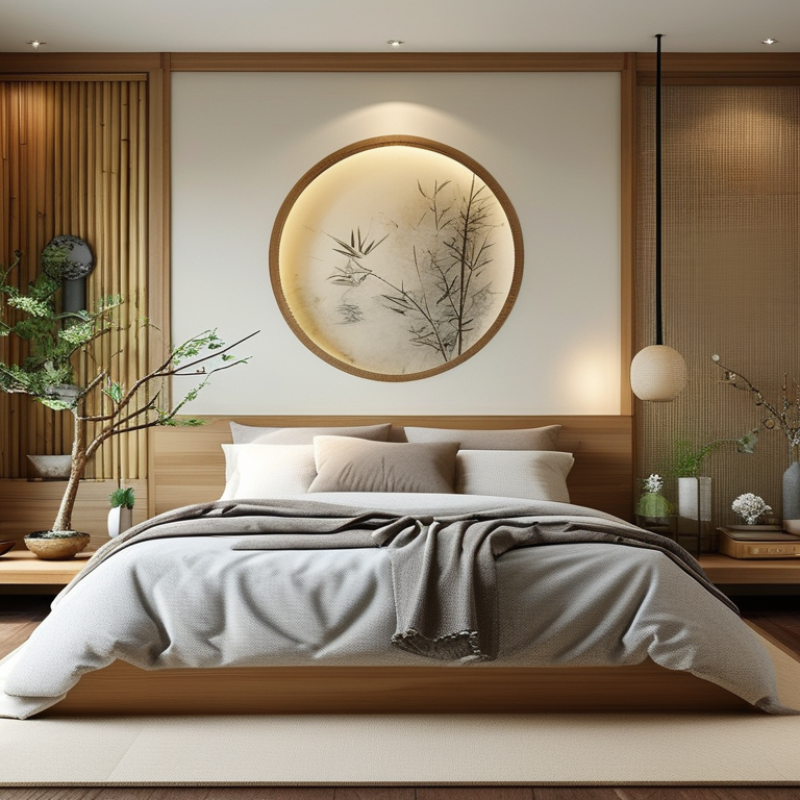
Choosing a calming color palette is essential for a Zen-inspired Chinese bedroom. Soft, neutral colors, like light beige, pale gray, and subtle greens, promote tranquility. These colors reflect natural elements, creating a peaceful atmosphere. Use three or four shades to maintain harmony. A single accent color can add depth without overwhelming the space.
Consider the psychology behind colors. Light blue can soothe the mind, while warm whites offer a sense of purity. Deep earthy tones can ground the design and evoke feelings of stability. Think about combining textures too. Smooth bedding paired with rough wooden elements enhances the calming feel. Small touches, like a soft throw or plush pillows, can help balance the color scheme.
When selecting your colors, it’s crucial to notice how they change in different lighting. Colors can feel different at various times of the day. Test swatches on the walls before committing. This helps avoid potential regrets later. Creating a comforting ambiance isn't just about color choice; it's about how the colors resonate with your emotions. Remember, it's okay if it takes time to get it just right. A space evolves as you do.
| Color | Psychological Effect | Recommended Use |
|---|---|---|
| Soft Green | Promotes tranquility and relaxation. | Walls and bedding. |
| Earthy Beige | Creates a grounded and serene atmosphere. | Furniture and curtains. |
| Serene Blue | Enhances calmness and reduces stress. | Accent walls and accessories. |
| Warm Taupe | Encourages comfort and coziness. | Flooring and textiles. |
| Soft White | Symbolizes purity and simplicity. | Ceilings and trim accents. |
: Soft, neutral colors promote tranquility. Light beige, pale gray, and subtle greens create a peaceful environment.
Use three or four shades for harmony. One accent color can add depth without overwhelming the space.
Colors change in different lighting. Testing swatches helps avoid regrets after painting the walls.
Wood, bamboo, and stone create an organic vibe that connects the indoors to nature.
Soft linens, silk, and natural fibers enhance comfort. A woven bamboo rug adds interest while staying earthy.
Natural light is vital. Large windows and sheer curtains let sunlight in, creating a comforting ambiance.
Choose functional and minimalist furniture. Low-profile beds and simple nightstands create a serene space.
No, asymmetrical layouts can feel more comfortable and spontaneous, enhancing overall tranquility.
Regular reflection on your items is important. Items that disrupt peace should be addressed or removed.
Yes, your space can change as you do. Embrace imperfections and allow the design to develop naturally.
To create a serene living space, many people ask, "How to set up a Zen-inspired Chinese bedroom?" The foundation begins with selecting a calming color palette, utilizing soft, earthy tones that foster relaxation and peace. Incorporating natural elements, such as wood and stone, can enhance the room's connection to nature, while textures from textiles like linen and silk add depth and comfort.
Furniture should be functional and minimalist, avoiding clutter and promoting tranquility. Lighting plays a crucial role; soft, diffused light creates a soothing ambiance, complemented by carefully selected accessories that reflect simplicity and elegance. Finally, organizing the space encourages mindfulness and relaxation, making it a perfect refuge for rest and reflection. By thoughtfully combining these elements, you can achieve a harmonious environment that embodies Zen principles in your bedroom.

 ELDI Home