A Zen-inspired Chinese bedroom brings together calm, practical design and selected details drawn from Chinese interiors. It is not one fixed historical style. The aim is a restful room, not a staged display. Think of a low, uncluttered bed, warm wood, soft natural fabrics, and a clear path to the window. A ceramic tea cup or a simple ink painting can add character without crowding the space. Less, but warmer.
Color and light shape the room’s mood. Cream, soft gray, and muted earth tones work well beside walnut or bamboo. Let daylight fall across a linen curtain, then add a shaded bedside lamp for evening. Keep storage closed where possible, and leave enough space to move comfortably. These choices are practical, too: clear walkways and gentle lighting can make a bedroom easier to use each day. The details matter.
How to set up a Zen-inspired Chinese bedroom? Start with the bed and the room’s natural light, then choose a restrained palette and a few meaningful accents. Avoid buying a full matching set just to make the space feel “authentic.” Chinese design traditions are varied, and personal comfort matters more than imitation. I would also resist making the room too bare; a space can feel calm yet still look unfinished. Adjust it slowly, noticing what helps you rest and what merely looks good in a photograph.
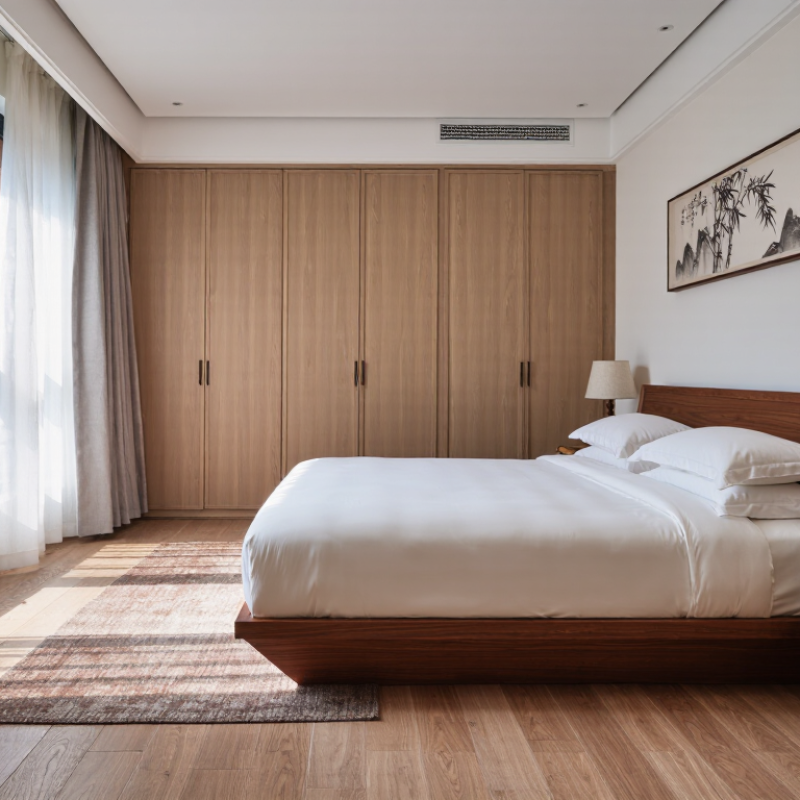
A Zen Chinese bedroom is defined less by decoration than by calm, balance, and purposeful use of space. It may draw on Chinese design through natural wood, a simple screen, or a restrained landscape motif, while avoiding a crowded, museum-like look. Zen is not one fixed historical style; it is a modern approach shaped by personal habits and the room’s architecture. The details matter.
A low wooden bed, cotton or linen bedding, and warm, indirect light can create a quiet foundation. Leave clear space around the bed, and choose storage that keeps daily objects close but visually contained. A small ceramic cup or a branch in a plain vase can add texture without demanding attention.
Less, but lived in.
Symmetry may feel restful, yet it need not be exact: one bedside lamp can be enough if the room’s light remains comfortable. In practice, an overly bare room can feel staged, while too many decorative objects weaken its stillness.
Let useful items stay visible when they bring comfort, and notice which details make the room feel unsettled.
A Zen Chinese bedroom draws on balance, natural materials, and visual restraint. It is not a period-perfect replica. A low wooden bed, linen bedding, and one ceramic vessel can create a quieter mood than many decorative symbols. Chinese design often pairs contrasts: dark timber against pale walls, or a solid headboard beside soft curtains. Keep the path to the bed clear. It makes the room feel easier to use, not merely easier to photograph.
The U.S. Environmental Protection Agency estimates people spend about 90% of their time indoors, making everyday indoor conditions worth attention. Its Indoor Air Quality guidance also highlights ventilation and pollutant sources. Choose low-odor finishes where possible, air the room during decorating, and avoid blocking vents with furniture. A calm room is not automatically a healthy one. Dusty textiles and stale air can undermine the effect.
Tips: Try warm, layered lighting rather than a bright ceiling fixture alone. Keep bedside surfaces mostly open; a book and a small lamp may be enough. Add a plant only if you can care for it. Too much symmetry can feel staged, and I still find that a slightly imperfect arrangement often feels more lived-in. Keep it restrained.
A calm Chinese-inspired bedroom benefits from layered, adjustable lighting: keep ambient light soft, and add brighter task lighting for reading or detailed activities. These are practical illuminance targets; individual needs and local guidance may vary.
A Zen Chinese bedroom feels composed, but not empty. Its calm comes from tactile materials and deliberate restraint. Choose solid wood, bamboo, linen, and simple ceramics. Oak or walnut brings warmth; bamboo screens soften daylight without blocking every view. A linen duvet feels breathable with a slightly rumpled finish. That small imperfection helps the room feel lived in. For a softer touch, add a woven mat beside the bed.
Keep colors quiet: warm white, sand, muted celadon, charcoal, and brown. Use charcoal sparingly, perhaps in a bedside vase or slender frame. A low wooden bed can anchor the room, while a simple stool replaces bulky bedside tables. Add a paper or fabric lantern for gentle evening light. Check that its glow is comfortable for reading. Avoid filling every surface. Empty space is useful. One carefully chosen object, such as a ceramic dish for jewelry, can feel more purposeful than several decorative pieces. Still, restraint can become starkness. If the room feels cold, add a warmer wood tone or a textured throw rather than more ornaments.
| Design Element | Suitable Choices | How It Supports the Look | Practical Consideration |
|---|---|---|---|
| Wood and furniture | Solid wood or wood veneer in understated finishes; simple bed frames, low-profile side tables, and clean-lined storage. | Natural grain and uncluttered forms create a calm, grounded atmosphere associated with Zen-inspired interiors. | Choose durable surfaces and furniture sized to preserve clear walking paths. |
| Bamboo and rattan | Bamboo blinds, woven baskets, or a small rattan accent. | These plant-based materials add texture and a light, natural quality without relying on ornate decoration. | Use woven pieces selectively so the room remains visually quiet. |
| Textiles | Cotton or linen bedding, plain-weave curtains, and a simple wool or cotton rug. | Soft, breathable fabrics balance the harder surfaces of wood and flooring. | Layer a few textures rather than adding many competing patterns. |
| Color palette | Warm white, cream, muted gray, natural wood, and restrained accents of sage or earthy brown. | A limited, low-contrast palette helps the space feel cohesive and restful. | Test paint and fabric colors in the room’s natural light before choosing them. |
| Bed and layout | A simple bed with a clear view of the room entrance where the layout allows; balanced bedside surfaces. | A straightforward arrangement makes the bed the visual focus and keeps the room easy to navigate. | Keep exits, doors, and windows unobstructed; adapt the arrangement to the room’s shape. |
| Lighting | Warm, diffused bedside lighting, shaded lamps, and adjustable ambient light. | Layered lighting can create a softer evening atmosphere than a single bright overhead source. | Use task lighting where needed for reading and avoid glare toward the bed. |
| Chinese-inspired details | A restrained screen, a simple ink-style artwork, or a small ceramic object. | Carefully chosen details can reference Chinese design traditions without making the room feel crowded. | Select pieces for personal meaning and craftsmanship; avoid treating cultural motifs as interchangeable decoration. |
| Plants and natural accents | One or two suitable indoor plants, a branch arrangement, or a stoneware vessel. | Living greenery and natural forms introduce subtle variation and connect the room with nature. | Choose plants based on available light, room conditions, and your ability to care for them. |
| Storage and surfaces | Closed wardrobes, drawers, and a small number of display objects. | Reducing visible clutter helps maintain the bedroom’s simple, restful character. | Keep everyday essentials accessible while storing rarely used items out of sight. |
A Zen Chinese bedroom should feel balanced, not staged. Begin with the bed against a solid wall, then leave a clear route on both sides when space allows. The U.S. Access Board’s ADA Standards use 36 inches as the usual minimum width for accessible routes; treat this as a useful planning benchmark, not a rule for every home. Measure door swings and drawer pulls, too. A beautiful layout can still feel awkward when a wardrobe blocks the window.
Keep lighting soft and adjustable. Use a warm ceiling fixture for general light, plus shaded bedside lamps for reading. The U.S. Department of Energy reports that LEDs use at least 75% less energy and last up to 25 times longer than incandescent bulbs. Choose dimmable LEDs where compatible, and avoid placing a bright bulb directly in your sightline. Small detail, big difference.
Storage should reduce visual noise without hiding everything. A low cabinet, woven baskets, and a clear bedside surface can hold daily items while keeping the room calm. Leave a little empty space; it makes cleaning easier, though I sometimes find that space turns into a landing spot for clothes. Check that baskets slide out easily and drawers open without hitting the bed. Measure before buying.
A Zen Chinese bedroom begins with a clear purpose: rest, quiet reading, and uncluttered movement. Remove objects that collect dust or compete for attention, but keep useful items within reach. A low wooden bed, a simple bedside table, and a woven basket can provide function without crowding the room. Choose muted colors such as warm white, soft gray, or pale earth tones. Add one considered Chinese detail, perhaps a small ink landscape or a modest lattice screen. Not a theme set.
Let natural light guide the layout. Keep the window clear, and leave an easy path from the bed to the door. If you use a screen, check that it does not block airflow or make the room feel cramped. Use layered lighting: a shaded bedside lamp for reading and softer overhead light for evenings. Cotton or linen bedding adds texture without visual noise. A few objects are enough.
Avoid trying to make every surface perfectly symmetrical. A ceramic cup or folded throw can feel more personal when it looks used, not staged. After a few nights, notice what still catches your eye or gets in the way. The room may feel too bare at first; adjust slowly, rather than filling the empty spaces at once.
Choose solid wood, bamboo, linen, and simple ceramics. Oak or walnut adds warmth without visual clutter.
Try warm white, sand, muted celadon, charcoal, and brown. Use charcoal sparingly, such as in a small vase.
Choose one modest element, like an ink landscape or lattice screen. One detail is enough.
A low wooden bed, simple bedside table, and woven basket provide useful storage. Leave clear walking space.
Let daylight reach the room, and check that the screen does not block airflow. A cramped corner defeats the purpose.
Layer a shaded bedside lamp with softer overhead light. Check the lamp’s glow before reading.
Add a textured throw or warmer wood tone. More decorations may not help.
Give it a few nights. Keep useful objects nearby, then adjust slowly; the first arrangement may not feel right.
A Zen Chinese bedroom combines the simplicity of Zen with the balance and harmony of traditional Chinese design. Its calm atmosphere comes from uncluttered spaces, natural materials, gentle colors, and furnishings chosen for comfort and purpose. Wood, cotton, linen, and other tactile materials can add warmth, while neutral shades and subtle nature-inspired accents help the room feel restful rather than busy. Thoughtful placement of furniture supports an easy flow through the space and keeps the bed as its quiet focal point.
How to set up a Zen-inspired Chinese bedroom? Begin by clearing unnecessary items and planning a practical layout with open pathways. Use soft, layered lighting to create a gentle mood, and add storage that keeps everyday belongings out of sight. Choose a few meaningful decorative details instead of filling the room, and balance them with empty space. By making each choice intentional, you can create a bedroom that feels serene, welcoming, and connected to nature.

ELDI Home