Chinese furniture is more than a decorative object. It is a responsive structure made from wood, lacquer, joinery, and sometimes delicate veneers. Humidity quietly affects every part. When air becomes damp, wood absorbs moisture and expands. Joints may tighten, lacquer can lift, and hidden cracks may appear. When dry air returns, the wood contracts. The damage may arrive slowly. Often, it becomes visible too late.
So, How to protect Chinese furniture from humidity? Begin with measurement, not guesswork. Conservation expert Dr. Nancy Berliner offers a practical warning: “Wood responds to its environment, so stable humidity matters more than quick correction.” A digital hygrometer can monitor the room continuously. Many interiors benefit from roughly 45–55% relative humidity, with gradual seasonal changes. Keep furniture away from radiators, air-conditioners, exterior walls, and direct sunlight. Leave space around the back and legs. Avoid placing it on a cold, damp floor.
A soft, dry cloth is usually safer than water-based cleaning. Do not seal old furniture inside plastic. It can trap moisture against the surface. Use controlled ventilation instead. A dehumidifier may help during wet seasons, but excessive dryness creates another risk. This part is easy to overlook.
No method is perfect. Buildings differ, climates shift, and historic finishes react unevenly. Valuable pieces deserve inspection by a qualified furniture conservator. Photographing joints, veneers, and lacquer surfaces also creates a useful record. Small changes matter. Care should be quiet, regular, and reversible whenever possible.
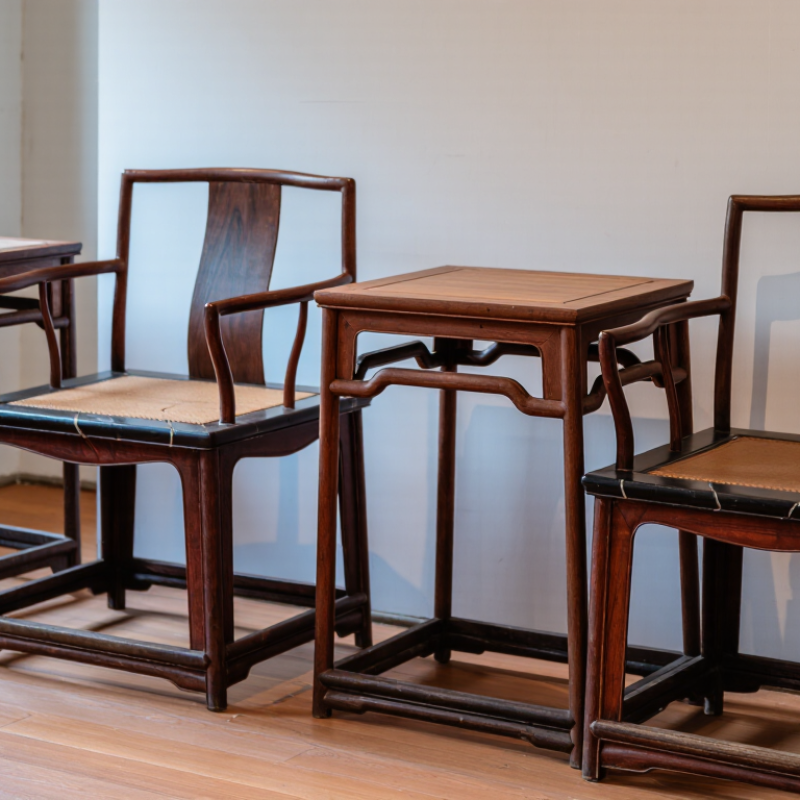
Chinese furniture is vulnerable to humidity because wood continually exchanges moisture with the air. Traditional pieces often use solid timber, which expands when humidity rises and contracts when the air becomes dry. Repeated movement can loosen mortise-and-tenon joints, distort doors, and create fine cracks along panels. The damage may appear slowly. Then, one season changes everything.
Design details also increase vulnerability. Thin boards, carved surfaces, floating panels, and layered finishes respond differently to moisture. A dense frame may move less than a softer panel inside it. This uneven movement places pressure on joints and decorative elements. Old lacquer can become cloudy, brittle, or detached when moisture enters tiny surface breaks. Metal fittings may corrode, leaving dark stains around handles and hinges.
A stable indoor environment matters more than chasing one perfect number. Many conservation professionals recommend moderate relative humidity, often around 45–55%, with gradual seasonal changes. Direct contact with damp walls or unventilated floors creates additional risk. A cabinet standing against a cold exterior wall may develop mold behind it, even when its front looks clean. This detail is easy to miss.
A useful correction is that humidity alone does not explain every failure. Poor repairs, strong sunlight, forced heating, and careless moving can magnify moisture damage. Regularly checking joints, hidden backs, and lower legs gives earlier warning. Small changes deserve attention. Perhaps that is the part owners underestimate.
Traditional Chinese furniture is commonly made from solid wood. As relative humidity changes, wood absorbs or releases moisture, causing it to expand, shrink, crack, loosen at joints, or deform. The chart shows the approximate equilibrium moisture content of wood at 20°C under different indoor humidity levels.
A stable indoor relative humidity of approximately 40–60% is generally recommended for wooden furniture. Values are approximate equilibrium moisture content estimates for wood at 20°C, based on standard wood-moisture relationships.
Chinese furniture needs humidity protection because wood never truly stops responding to air. The Forest Products Laboratory’s Wood Handbook explains that wood exchanges moisture with its surroundings and changes dimension as moisture content shifts. A dry winter room can shrink boards across the grain. Summer moisture can swell them again. These movements may open seams, split panels, or stress thin veneers. The damage often appears slowly.
Joints are especially vulnerable. Traditional mortise-and-tenon connections depend on carefully balanced wood movement. Excess moisture may swell tenons and push joints apart. Later drying can leave them loose. Hide-based adhesives may also weaken in persistently damp conditions. The National Park Service Museum Handbook identifies high relative humidity as a risk for mold, corrosion, and material deterioration in collections. Keep it steady. Not merely low.
Finishes and decorative elements need equal attention. The Canadian Conservation Institute advises controlling relative humidity because repeated fluctuations can damage wood and layered surfaces. Shellac, lacquer, pigment layers, and carved details may develop clouding, lifting, or fine cracks. The ASHRAE Handbook—HVAC Applications commonly uses 30–60% relative humidity for many occupied interiors, while sensitive collections often require tighter control. A hygrometer helps, but one reading is not enough. My own inspection experience suggests that location matters: furniture beside a cold window may face harsher moisture changes than furniture across the room. That detail is easy to miss.
Traditional Chinese furniture requires stable environmental conditions because wood constantly exchanges moisture with the air. Humidity changes make timber expand and contract. This movement can loosen joints, split panels, or distort drawers. Lacquered surfaces may also develop fine cracks when the wood beneath them moves unevenly.
The ASHRAE Handbook—HVAC Applications (2023) identifies 30–60% relative humidity as a common museum control range. Conservation guidance from the Canadian Conservation Institute recommends avoiding rapid humidity fluctuations, especially around sensitive wooden objects. A practical target is often 45–55% relative humidity, monitored with a calibrated hygrometer. Keep the furniture away from radiators, air-conditioner outlets, damp walls, and direct sunlight. A wooden cabinet beside a heating vent may feel dry within hours, even when the room average seems acceptable.
A stable room matters more than chasing one perfect number. That point is easy to overlook. In real homes, doors open, cooking creates steam, and seasonal weather changes indoor conditions. Sudden swings remain the greater risk. Gentle adjustment is safer than forcing the room to an exact reading. I have seen owners over-humidify a room, hoping to protect old timber, only to encourage mold around hidden joints. Regular readings, slow changes, and careful observation are more reliable than guesswork. The smallest drawer can reveal trouble first.
Chinese furniture often reveals humidity damage slowly, then suddenly. A drawer that once glided smoothly may drag against its frame. Cabinet doors can swell, leaving a narrow gap or refusing to close. These changes often come from wood absorbing moisture, not poor craftsmanship. Look closely at the surface. Blistered lacquer, cloudy patches, lifted veneer, and raised grain deserve attention. A faint musty smell can also indicate trapped moisture behind panels.
In conservation work, dark freckles or spreading stains may signal mold activity or prolonged dampness. Not every dark mark is mold. That assumption can be wrong. Loose joints are another warning. Traditional wooden joints depend on balanced movement; repeated expansion and shrinking can make them weak. Check legs and stretchers for small gaps, rocking, or fresh-looking cracks. Metal fittings may show reddish corrosion, while drawer interiors can feel cool and slightly sticky. They are easy to miss.
Care Guidance A hygrometer helps confirm the room’s condition. Relative humidity around 40–60 percent is commonly safer for wood furniture, although materials and finishes vary. Avoid guessing from one humid afternoon. Record readings for several days. Do not scrub a cloudy finish or force a swollen drawer. Well-meant cleaning can spread damage. A qualified furniture conservator should assess valuable pieces before repairs, especially when veneer, lacquer, or old joinery is involved.
Humidity is a quiet threat to traditional Chinese furniture. Solid wood absorbs moisture from the air and releases it during dry periods. This repeated movement can loosen mortise-and-tenon joints, lift veneer, and split lacquer. The USDA Forest Products Laboratory’s Wood Handbook reports 6–12% tangential shrinkage in many woods from green to oven-dry conditions. Indoor changes are smaller, but they still matter.
Protection begins with stable room conditions. The Canadian Conservation Institute commonly recommends 45–55% relative humidity for wooden objects. Keep temperature changes gradual, too. Use a digital hygrometer near the furniture, not beside a window or air vent. Record readings for several weeks. A single measurement proves very little.
During humid seasons, run a dehumidifier carefully, but do not place its exhaust against the cabinet. Allow air to circulate behind the furniture. Keep it at least 10 centimeters from damp walls and floors. Wipe spills immediately with a soft, dry cloth. Avoid wet cleaning, sealed plastic covers, and direct sunlight. These shortcuts can trap moisture or accelerate surface damage.
Check drawers and doors gently. Resistance may signal swelling, not poor craftsmanship. Never force them. If white bloom, dark staining, lifting lacquer, or a musty odor appears, pause cleaning and contact a qualified furniture conservator. ASHRAE guidance also emphasizes avoiding rapid humidity fluctuations for collections. Perfect control is unrealistic. Stable, measured conditions are better than chasing one exact number.
Wood exchanges moisture with the air. Humidity changes make it expand and contract. This movement can loosen joints, split panels, or distort drawers. Lacquer may develop fine cracks. Stability matters more than one perfect reading.
A practical target is 45–55% relative humidity. A broader range around 40–60% can suit many wooden pieces. Materials and finishes vary. Use a calibrated hygrometer. Do not obsess over one number.
Keep furniture away from radiators, air-conditioner outlets, damp walls, and direct sunlight. A cabinet beside a heating vent may dry within hours. The room average can still look acceptable. Local conditions matter.
Drawers may drag. Doors can swell or refuse to close. Watch for blistered lacquer, cloudy patches, lifted veneer, and raised grain. Musty smells may indicate trapped moisture. Small gaps, rocking legs, or fresh cracks suggest weakened joints.
Dark freckles or spreading stains may indicate mold or prolonged dampness. Not every dark mark is mold. That assumption can be wrong. A musty smell behind panels adds concern. Avoid aggressive cleaning.
Place a calibrated hygrometer near the furniture. Record readings for several days, not one humid afternoon. Notice cooking steam, open doors, and seasonal changes. Slow adjustments are safer than sudden correction. Hidden corners can still surprise you.
Do not force it. Pressure can damage joints, veneer, or lacquer. Reduce rapid environmental changes gently. Avoid sanding or reshaping the drawer without professional advice. A qualified furniture conservator should assess valuable pieces.
Yes. Excess moisture can encourage mold around hidden joints. Trying to protect dry timber may create another problem. Check readings before adding humidity. Observation beats guesswork, although patience is required.
Chinese furniture is especially vulnerable to humidity because it is often made from natural wood that continuously absorbs and releases moisture. When humidity levels change sharply, the wood may swell, shrink, warp, or develop cracks. These movements can loosen traditional joints, weaken structural stability, and damage surface finishes such as lacquer or wax. Decorative elements, including carvings, veneers, and inlays, may also lift, split, or lose their original appearance. Excess moisture can encourage mold growth and leave stains, while overly dry conditions may cause brittleness and separation.
Traditional Chinese furniture requires a relatively stable environment to preserve its shape, craftsmanship, and decorative details. Common signs of humidity damage include sticking drawers, uneven surfaces, loose joints, cloudy finishes, unpleasant odors, and visible mold. How to protect Chinese furniture from humidity? Keep furniture away from damp walls, direct heat, and strong sunlight; maintain moderate, stable indoor humidity; improve ventilation; wipe spills promptly; and avoid excessive water when cleaning. Regular inspection and gentle maintenance can help prevent moisture-related deterioration and extend the furniture’s life.

ELDI Home