2026 How to Understand Dragon Carvings on Chinese Beds?

Time:2026-09-07 Author:Sophia
0%

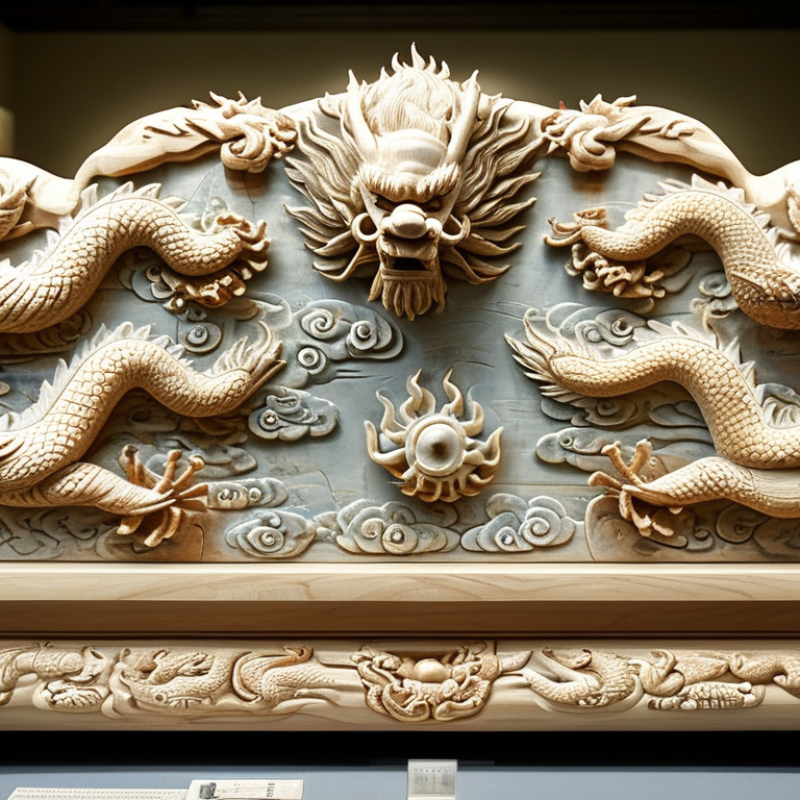
Chinese beds are more than sleeping furniture. Their carved surfaces can preserve family hopes, social values, and regional artistic traditions. A dragon may appear across a headboard, beneath a canopy, or beside clouds and waves. These details create a visual story around the sleeper.

What does the dragon carving on Chinese beds mean? In many traditional contexts, the dragon represents power, protection, prosperity, and connection with imperial culture. However, its meaning was not identical in every household. A five-clawed dragon could suggest imperial associations, while a simpler dragon might express strength or good fortune. The surrounding symbols matter. Pearls may represent wisdom, clouds may suggest the heavens, and waves may symbolize authority over water. The carving’s position also deserves attention.

Look closely.

The wood, tool marks, paint, and repaired sections can reveal the bed’s history. A museum catalogue, regional craft record, or specialist appraisal may provide stronger evidence than a decorative website. Dating a bed only by its dragon is risky, because later restorations can imitate older styles. I once treated symbolism as a fixed dictionary, but traditional furniture is less certain than that. Family identity, workshop habits, and local beliefs often changed the message. This guide examines those differences carefully, using visible design details and established Chinese furniture knowledge. It also acknowledges unanswered questions, because some carvings remain difficult to interpret without provenance. Understanding the dragon requires both cultural knowledge and patient observation. Tradition leaves clues, not always complete answers.
2026 How to Understand Dragon Carvings on Chinese Beds?

Historical Origins of Dragon Carvings on Chinese Beds

Dragon carvings on Chinese beds developed from a long tradition of sacred animal imagery. Early dragons symbolized rain, fertility, and protection. By the Ming and Qing periods, court culture connected the dragon with imperial authority. Wealthy families then adapted this image for canopy beds, bridal beds, and ancestral furniture. The carving often showed clouds, waves, pearls, or flaming ornaments. These details created a moving scene around the sleeper.

My first reading was too simple. I once treated every dragon as an imperial sign. That is unreliable. Local workshops changed claw numbers, cloud shapes, and body proportions. A five-clawed dragon may suggest court influence, but it cannot prove ownership or age. Conservation research also warns against dating wood furniture through decoration alone. Joinery, timber species, tool marks, lacquer layers, and repair traces matter together. The 2023 China National Furniture Association industry report placed Chinese furniture exports at about 55 billion US dollars. That scale explains why careful provenance is increasingly important for antique-looking reproductions and restored pieces.

Tips: Examine the bed in natural light. Look for consistent wear near handles and footboards. Check whether the carving follows the wood grain. Ask for conservation records, not only verbal claims. Read the dragon’s posture, but question your first impression. Historical interpretation is rarely perfect.

Symbolism and Cultural Meanings of Chinese Bed Dragons

2026 How to Understand Dragon Carvings on Chinese Beds?

Symbolism and Cultural Meanings of Chinese Bed Dragons

Dragon carvings on Chinese beds were more than decorative details. They connected private sleep with protection, status, and hopes for family prosperity. A dragon twisting through clouds might represent power over rain and water. In agricultural communities, that image carried practical meaning. Good rain supported crops, food, and household stability.

The dragon also suggested authority and dignity. In some historical periods, the five-clawed dragon had strong imperial associations. However, not every carved dragon belonged to an imperial setting. Local craftsmen used different claws, clouds, waves, and facial forms. Regional style matters. A dragon beside phoenixes often expressed marital harmony and balanced power. A dragon holding a pearl could suggest wisdom, energy, or a treasured blessing.

Look closely.

The bed’s location also changes the interpretation. A dragon near the headboard may guard the sleeper, while one near a lower panel may support family continuity. Deep carving usually created stronger shadows and visual movement. Small flowers, bats, peaches, or waves added separate wishes for happiness, longevity, or good fortune. These meanings were not always fixed. I may be tempted to read every dragon as a symbol of authority, but that would be too simple. The owner’s region, social position, and personal beliefs could reshape the message. Wear marks, repaired joints, and faded pigment can reveal how the bed was used, not merely how it looked.

Common Dragon Designs, Poses, and Decorative Features

2026 How to Understand Dragon Carvings on Chinese Beds?

Dragon carvings on Chinese beds are not random ornaments. They often express protection, strength, fertility, or social aspiration. A careful viewer should study the dragon’s pose before judging its meaning. An ascending dragon suggests movement toward the heavens. A coiled dragon feels protective and controlled. A frontal dragon, facing the viewer, creates a stronger ceremonial presence. Some dragons chase a flaming pearl, symbolizing wisdom, energy, or a desired achievement.

Common designs include long bodies, curling clouds, waves, and mountain forms. Five-clawed dragons can suggest imperial associations, but this clue is not always decisive. Regional customs, historical periods, and the owner’s status also matter. Decorative features may include openwork panels, raised relief, painted details, gilding, and geometric borders. Look closely at the claws, horns, scales, and tail. Small differences can reveal different workshop traditions. The bed may be less uniform than it first appears.

I would also inspect the carving depth and joinery. Consistent tool marks may support a period interpretation, while fresh cuts can suggest later alteration. Surface color alone proves little. Old wood can be cleaned, darkened, or repaired. I once might have treated a dramatic dragon as automatically important, but that approach is too simple. A modest carving can show finer craftsmanship. My reading should remain provisional until wood, structure, decoration, and provenance agree. Presence matters more than drama.

Materials and Techniques Used to Create Bed Carvings

Dragon carvings on Chinese beds were shaped by both material and purpose. Craftspeople often selected hardwoods for strength, stable grain, and visual depth. Some beds used richly colored timber, while others used softer wood beneath painted or lacquered surfaces. The wood matters. A dense grain supports crisp scales and narrow whiskers. Softer timber allows faster carving but may lose fine details over time.

Carvers used several techniques to build the dragon’s body. Relief carving raised the head, claws, and curling clouds above the panel. Incised lines defined scales, eyes, and flowing mane hair. Openwork carving created spaces between clouds, allowing light to pass through the screen. Some surfaces received lacquer, mineral pigments, or restrained gilding. These finishes protected the wood and increased visual contrast. In dim bedrooms, a red or dark brown dragon could appear almost alive.

When examining a bed, inspect tool marks inside deep corners. Uneven cuts may suggest handwork, but they do not prove age. Details can deceive. Later repairs sometimes copy traditional patterns with surprising skill. Look for differences in color, wood shrinkage, nail placement, and joinery. A genuine assessment should combine carving analysis with material testing and documented history. I find this process humbling because one attractive detail can support several explanations. Careful study is better than a confident guess.

2026 How to Understand Dragon Carvings on Chinese Beds?

Representative wood density used to compare materials commonly associated with Chinese carved furniture

How to read the chart: Denser hardwoods generally support sharper relief carving and resist surface wear, while lighter woods are easier to shape but may require broader, less deeply undercut designs.

Typical techniques: Dragon motifs were commonly created through layout and relief carving, pierced or openwork carving, undercutting, smoothing, and polishing. The final appearance also depended on wood grain, moisture content, tool control, and the desired depth of the relief.

Values are representative oven-dry or standard reference densities in kg/m³. Actual values vary by species, origin, and moisture content. Reference basis: USDA Forest Products Laboratory, Wood Handbook: Wood as an Engineering Material, and published species data for Dalbergia odorifera, Pterocarpus santalinus, Ulmus parvifolia, and Cinnamomum camphora.

How to Identify and Interpret Dragon Carvings in 2026

2026 How to Understand Dragon Carvings on Chinese Beds?

How to Identify and Interpret Dragon Carvings in 2026

I begin with the bed’s structure, not the dragon. Photograph the headboard, canopy, footboard, joints, and hidden wood surfaces. A genuine reading needs context. Check the dragon’s horns, claws, whiskers, scales, clouds, waves, and flaming pearl. Five claws may suggest imperial association, but claw count cannot date a bed alone. Regional workshops often copied fashionable symbols. My first reading was wrong once.

Look for hand-cut tool marks beneath the carving. Uneven depth, compressed fibers, and aged dust in protected recesses can support old workmanship. Fresh abrasions, sharp machine grooves, and uniform staining deserve caution. Wood species also matters, but appearance can mislead. The FAO Global Forest Resources Assessment 2020 records 4.06 billion hectares of global forest, showing how broad timber sourcing can be. A local species claim needs microscopic or laboratory evidence.

Interpret posture carefully. A rising dragon may express power, while a cloud-wrapped dragon can suggest movement and protection. Yet symbolism changes with region, period, and household status. The China Statistical Yearbook 2024 places furniture within China’s large manufacturing economy, reminding us that reproduction and restoration are widespread. Do not treat a dramatic dragon as proof of rarity. Record dimensions, repairs, joinery, wood grain, and provenance. Then compare them with museum catalogues and conservation reports. Leave room for doubt.

2026 How to Understand Dragon Carvings on Chinese Beds? — How to Identify and Interpret Dragon Carvings in 2026

Use the following visual and contextual clues together. A dragon carving can suggest status, protection, auspicious power, or a connection with imperial symbolism, but a single motif cannot by itself establish a precise date, social rank, or original ownership.

Identification Dimension What to Inspect Historically Grounded Interpretation Dating and Regional Context Reliability
Dragon Anatomy Count the claws, inspect the head, horns, whiskers, scales, and body shape. Look for a long serpentine body, four legs, and a powerful, open-mouthed head. Chinese dragons are generally composite auspicious creatures rather than realistic animals. Common elements include a horned head, whiskers, scales, claws, and a flexible body. Anatomical details vary by period, workshop, region, and intended audience. Claw count should not be used as the sole dating or status test. Medium
Claw Count Record whether the dragon has three, four, or five visible claws, while checking whether the carving is worn, stylized, or partly hidden. Five-clawed dragons became strongly associated with imperial authority in Ming and Qing court contexts. Four- and three-clawed dragons also appear widely in regional, religious, architectural, and domestic art. Claw conventions were not universal. Domestic furniture with five claws is not automatically an imperial object, and reduced or obscured claws may result from composition or damage. Medium
Pearl or Flaming Pearl Look for a round object in front of or beneath the dragon’s head, often shown with flames, radiating lines, or cloud scrolls. The pearl is commonly read as a symbol of wisdom, potency, luminous energy, or the dragon’s control of cosmic forces. The motif is often called the “flaming pearl.” The pearl-and-dragon composition occurs in textiles, ceramics, architecture, furniture, and decorative arts across many periods; it is not exclusive to beds. High
Clouds, Waves, and Fire Identify scrolling clouds around the body, wave crests below the dragon, or flame-like forms surrounding the pearl. Clouds can evoke the dragon’s association with rain and the heavens. Waves may indicate water, abundance, or cosmic space, while flames emphasize supernatural energy and transformation. Cloud and wave patterns help interpret the scene, but their exact meaning depends on the complete composition and accompanying symbols. High
Position on the Bed Note whether the dragon appears on the canopy, front panel, side panel, carved posts, headboard, footboard, or lower apron. A prominent central position usually indicates that the motif was intended to be seen and read as an important emblem. Repeated dragons may create a protective or prestigious visual enclosure. Beds with enclosed canopies and elaborate carved panels were especially developed in late imperial domestic furniture traditions, although construction styles varied by region. Medium
Dragon and Phoenix Pairing Check whether a phoenix, paired birds, floral forms, or complementary symbols appear opposite or beside the dragon. Dragon-and-phoenix imagery is commonly associated with complementary forces, marital harmony, prosperity, and the union of yang and yin symbolism. In some contexts, it also evokes imperial and empress imagery. On domestic beds, the pairing often has auspicious marital meaning and should not automatically be interpreted as evidence of palace ownership. High
Carving Technique Distinguish shallow relief, deep relief, openwork, pierced carving, three-dimensional carving, and possible later additions or replacements. Deep relief and openwork can create strong shadows and emphasize movement, while shallow relief may be more restrained or economical. Technique reflects workshop practice, wood properties, and intended visual effect. Technique alone cannot provide a precise date because skilled and inexpensive workshops could use overlapping methods in different regions and periods. Medium
Wood and Construction Inspect the wood grain, joinery, panel construction, shrinkage, tool marks, insect damage, and whether carved elements match the surrounding structure. Compatible wood, joinery, patina, and construction can support an assessment of age and originality. A carving may be old even when the bed was later repaired or assembled from separate components. Species identification requires expert examination; visual color alone is unreliable because finishes, staining, smoke, and restoration can alter appearance. High
Surface Finish and Patina Look for consistent wear on exposed edges, hand contact areas, recesses, finish layers, dust accumulation, and signs of sanding or refinishing. Naturally accumulated wear may support long-term use, but artificially aged surfaces and later coatings can imitate age. Uneven wear can also reflect placement rather than antiquity. Surface evidence should be compared with construction and carving details. A glossy or dark finish does not prove that an object is old. Medium
Imperial Versus Domestic Meaning Evaluate the entire bed: scale, workmanship, inscriptions, decorative density, materials, provenance, and relationship to other furniture. The dragon can communicate authority and high status without proving an imperial commission. Wealthy households, temples, public buildings, and commercial workshops also used dragon imagery. Imperial attribution requires documentary evidence or a strong combination of technical, stylistic, and provenance information; motif recognition alone is insufficient. High
Regional Style Indicators Compare the dragon’s expression, body rhythm, cloud forms, openwork patterns, wood choice, and joinery with documented furniture from the claimed region. Regional workshops developed distinctive preferences, but motifs circulated widely through trade, migration, printed designs, and imitation. A regional attribution should remain provisional unless supported by construction features, local provenance, or comparison with securely documented examples. Medium
Inscriptions and Marks Search for carved dates, names, poems, auspicious phrases, workshop marks, paper labels, or old repair notes in concealed areas. An inscription may provide valuable evidence about manufacture, ownership, dedication, or repair, but it must be checked for consistency with the carving, language, characters, and aging. Later inscriptions and restored labels are possible. Documentary evidence is strongest when it has a verifiable chain of ownership or is supported by independent technical evidence. High
Overall Interpretation Combine motif, location, construction, materials, surface history, inscriptions, and provenance instead of relying on one visual detail. A dragon-carved Chinese bed most reliably indicates an auspicious, prestigious, or protective decorative program. The exact meaning depends on the surrounding symbols and historical context. For authentication, dating, or valuation, consult a qualified furniture conservator or specialist and document the object from multiple angles. High
Interpretive note: Chinese dragon imagery changed across dynasties, regions, workshops, and social settings. The commonly repeated rule that claw count alone identifies imperial ownership is too simple; reliable interpretation requires a combination of iconography, construction, condition, provenance, and comparison with documented examples.

FAQS

: What materials were commonly used for carved Chinese beds?

: Craftspeople often chose hardwood for strength and stable grain. Softer wood could support painted or lacquered surfaces. The wood matters.

How did carvers create dragon details?

Relief carving raised heads, claws, and clouds. Incised lines shaped scales, eyes, whiskers, and mane hair. Openwork carving let light pass through cloud patterns.

What finishes appeared on dragon bed carvings?

Some surfaces received lacquer, mineral pigments, or limited gilding. These finishes protected the wood and strengthened visual contrast. Dark red could look almost alive.

Can claw count identify a bed’s age?

Not reliably. Five claws may suggest imperial association, but workshops copied popular symbols. Claw count alone cannot date a bed.

What should I inspect during a physical examination?

Photograph the headboard, canopy, footboard, joints, and hidden surfaces. Inspect deep corners for tool marks. Record repairs, dimensions, joinery, and wood grain.

Which details may suggest hand carving?

Uneven depth and compressed fibers can support handwork. Aged dust in protected recesses may also help. They do not prove age.

What signs deserve caution?

Sharp machine grooves and uniform staining deserve careful review. Fresh abrasions may indicate later work. Skilled repairs can imitate older patterns surprisingly well.

How should the dragon’s posture be interpreted?

A rising dragon may express power. Cloud-wrapped figures can suggest movement or protection. Meanings change across regions, periods, and households.

Can wood appearance confirm its species?

No. Appearance can mislead. Microscopic or laboratory evidence may be needed for a local species claim.

Is one attractive detail enough to prove authenticity?

No. Combine carving analysis, material testing, joinery, and documented history. My first reading was wrong once. Doubt is useful here.

Conclusion

This article explores the historical origins and cultural significance of dragon carvings on Chinese beds, tracing how these designs developed within traditional Chinese furniture and interior culture. It explains why the dragon became an important decorative symbol associated with power, protection, good fortune, authority, and harmony. The article also considers how social status and regional traditions influenced the placement and style of dragon motifs on carved bed frames, panels, and canopies. A central question is: “What does the dragon carving on Chinese beds mean?” The answer depends on its historical context, artistic details, and relationship to other decorative elements.

Readers will learn to recognize common dragon poses, including coiled, flying, cloud-surrounded, and pearl-chasing forms, as well as features such as scales, claws, horns, waves, and auspicious clouds. The article further introduces traditional materials and techniques, including hardwood carving, relief work, openwork, polishing, and layered decoration. Finally, it offers a practical approach to identifying and interpreting bed dragons in 2026 by combining visual observation, craftsmanship, symbolism, and cultural context.

Sophia

Sophia

Sophia is a dedicated marketing professional with an exceptional depth of knowledge about her company's products and services. With a keen understanding of market trends and customer needs, she crafts insightful blog posts that not only inform but also engage readers, enriching the company’s online......