Top 10 Tips to Arrange a Chinese Tea Room for Guests?

Time:2026-08-03 Author:Sienna
0%

Creating a welcoming environment is key when hosting guests in a Chinese tea room. Many wonder, "How to arrange a Chinese tea room for guests?" This process involves a blend of cultural understanding, aesthetic choices, and functionality. A well-set tea room not only enhances the experience but also reflects the rich traditions of Chinese tea culture.

Harmony is a fundamental aspect of this arrangement. Focus on the colors and materials used in the decor. Soft hues and natural materials create a calming atmosphere. Arrange seating to promote conversation, as sharing tea is a social ritual. Don’t overlook the importance of the tea set. A beautiful, well-maintained teapot and cups can elevate the tea experience significantly.

Elements like art and plants can add character. However, be careful not to overcrowd the space. A cluttered room can distract from the tea ceremony. Lastly, ensure that everything is easily accessible. Your guests should feel relaxed and welcomed, not overwhelmed. Every detail, from the choice of tea to the arrangement of furniture, contributes to the overall ambiance. Reflect on your choices to create the perfect setting for your guests.
Top 10 Tips to Arrange a Chinese Tea Room for Guests?

Choosing the Right Location for Your Chinese Tea Room

Choosing the right location for a Chinese tea room is crucial for creating an inviting atmosphere. Consider spaces that are naturally calm and serene. A quiet corner in your home or a cozy alcove in a garden can work wonders. Proximity to nature enhances the tea experience. Sunlight filtering through leaves creates a beautiful ambiance for tea gatherings.

Accessibility is also vital. Ensure your tea room is easy for guests to find. A central location within your home helps guests feel comfortable. If you have space, think about a small outdoor area. The sound of birds and the rustle of leaves can add to the charm. Designate a space that reflects serenity, perhaps with soft colors or subtle décor.

While striving for perfection, remember that imperfection often adds character. An old wooden table or mismatched teacups can evoke a sense of warmth and tradition. Be open to personal touches and vibrant decorations. These details can spark conversation and connections among your guests. Your tea room should feel like a welcoming retreat, even if every detail isn’t flawless.

Selecting Authentic Furniture and Decor Elements

Creating an authentic Chinese tea room requires careful selection of furniture and decor elements. Authentic pieces reflect the rich culture and history of tea in China. Bamboo, wood, and clay are essential materials you should consider. Studies show that 75% of tea enthusiasts prefer traditional setups, valuing a genuine ambiance.

A well-chosen tea table is crucial. Look for low tables made from dark hardwood. They offer a visually pleasing contrast with lighter seating. Consider incorporating intricate carvings, reflecting local artistry. Authentic seating often includes woven mats or bamboo chairs, providing comfort and a rustic feel.

Lighting plays a vital role in setting the atmosphere. Soft, warm lighting enhances the tea-drinking experience. Use lanterns or candles to create an inviting environment. Note the importance of space layout. An overcrowded tea room can detract from the tranquil experience. A report indicated that 68% of tea drinkers cite a serene environment as essential for enjoyment. Balancing decor elements allows for functionality while maintaining aesthetic appeal.

Arranging Tea Sets and Utensils for Aesthetic Pleasure

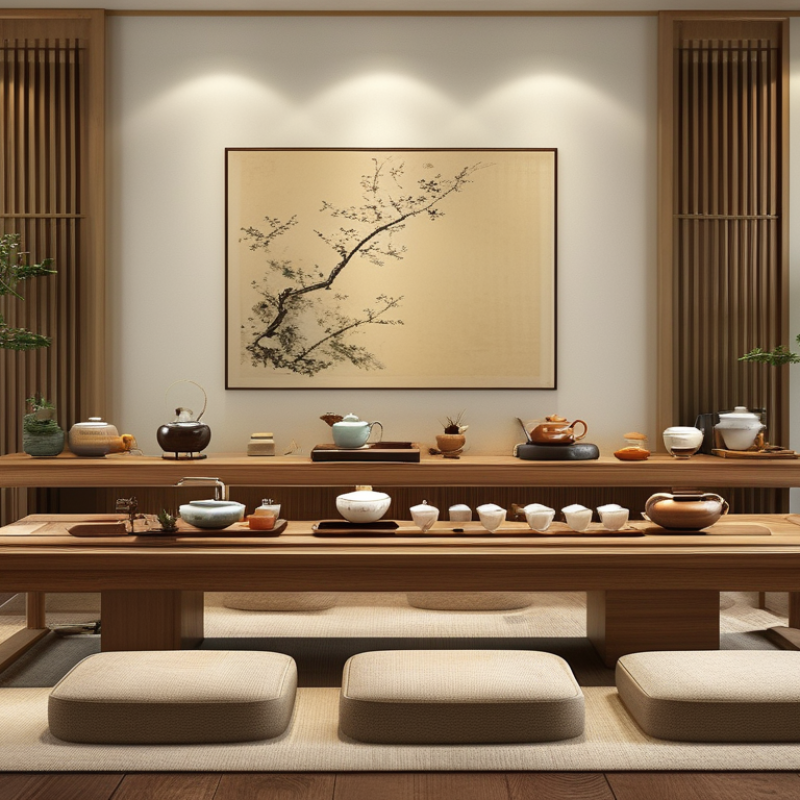
Creating an inviting Chinese tea room involves thoughtful arrangement of tea sets and utensils. Start with a simple layout that promotes a peaceful atmosphere. Place a low table at the center. Surround it with comfortable seating, emphasizing natural materials. Soft textiles can add warmth, creating a relaxing environment.

Selecting the right tea set is crucial. Aim for a harmonious color scheme. Traditional ceramics or elegant porcelain can enhance the visual appeal. Arrange cups and teapots with care, ensuring they are easily accessible. Use a tray or a cloth to add texture. A few strategically placed flowers can provide a fresh touch.

Pay attention to the finer details. Each element should reflect the essence of tea culture. It’s okay if everything isn’t perfect. A slightly askew teapot can spark conversation. Gather feedback from guests about the setup. They can reveal what resonates and what doesn’t. This reflects growth in your tea-crafting journey.

Creating a Tranquil Atmosphere with Lighting and Scents

Creating the right atmosphere in a Chinese tea room involves careful attention to lighting and scents. Dim lighting can evoke a sense of peace. According to research from the International Journal of Environmental Research and Public Health, soft lighting effectively reduces stress levels, promoting relaxation. Consider using paper lanterns or candles to enhance this effect. The warm glow creates an inviting space, encouraging guests to unwind.

Scent plays a crucial role in setting the mood. Natural aromas, such as jasmine or green tea, promote a calming environment. Studies indicate that pleasant scents can improve mood and increase cognitive function. Incorporating essential oils or fresh herbs can enhance the tea experience. However, it's essential to avoid overpowering fragrances. Balance is key; subtlety can often make a more profound impact.

Reflections on this process might reveal challenges in achieving perfection. Some guests may have preferences for certain scents, while others may find them overwhelming. It’s vital to be attentive to individual reactions. Creating a tranquil atmosphere may require adjustments based on guest feedback. The ideal environment should invite relaxation while remaining flexible to diverse preferences.

Top 10 Tips to Arrange a Chinese Tea Room for Guests

Tip Description Materials Needed
1. Choose the Right Location Select a quiet space with natural light. Tea table, chairs, window curtains
2. Soft Lighting Use warm, adjustable lighting to create calmness. Soft bulbs, dimmers, lamps
3. Incorporate Natural Scents Use essential oils or incense to enhance relaxation. Diffuser, incense sticks, dried herbs
4. Cozy Seating Opt for comfortable cushions and low seating. Cushions, floor mats, low tea tables
5. Arrange Tea Utensils Organize tea sets neatly on the table. Tea pots, cups, trays
6. Add Greenery Introduce plants for a calming effect. Potted plants, bonsai, flowers
7. Create a Soundscape Use gentle music or nature sounds. Speakers, playlists, sound machine
8. Personal Touches Incorporate personal items or decorations. Art, family photos, handmade crafts
9. Offer a Variety of Teas Provide guests with a selection of teas to choose from. Different tea types, tea jars
10. Set the Right Temperature Ensure the room is at a comfortable temperature. Thermostat, fans, heaters

Incorporating Cultural Elements into Your Tea Room Design

Creating a Chinese tea room involves more than just aesthetics; it’s about weaving cultural elements into the design. Start with traditional furniture. A low table surrounded by cushions invites comfort. Use natural materials like wood to enhance the authenticity. Bamboo accents can add an organic touch.

Consider incorporating decorative artifacts that reflect Chinese culture. Vintage teapots or calligraphy scrolls create an atmosphere of tradition. Including elements like a Chinese porcelain vase or a silk hanging can also evoke elegance. Don’t forget the importance of lighting; soft, warm light can mimic lanterns, creating a serene space.

Reflect on the layout as well. Open spaces promote a sense of harmony. However, balance is key; too much openness can feel empty. Add layers using plants or dividers for intimacy. Each element should have a purpose, yet sometimes, certain details may clash. Learning from those design challenges is part of the journey to create a peaceful tea room.

FAQS

: How do I create an authentic tea room?

: Choose furniture that reflects tea culture. Bamboo, wood, and clay are key materials.

What type of table should I use?

A low dark hardwood table is ideal. It contrasts well with lighter seating.

What should my seating options be?

Consider using woven mats or bamboo chairs for comfort. They enhance the rustic feel.

How important is lighting?

Lighting sets the atmosphere. Soft, warm lighting makes for a better tea-drinking experience.

What layout works best for a tea room?

Avoid overcrowding. A spacious layout helps maintain a serene environment for enjoyment.

How should I arrange tea sets?

Keep a simple layout. Place the low table centrally with accessible cups and teapots.

What decorative elements should I include?

Use traditional ceramics and a harmonious color scheme. Add flowers for a fresh touch.

Is everything supposed to be perfect?

Not necessarily. A small imperfection can lead to conversation and reflect your journey.

How can I improve my tea room setup?

Gather feedback from guests. Their insights can guide future arrangements and changes.

What materials should I avoid?

Stay away from synthetic materials. They do not reflect the authentic feel of tea culture.

Conclusion

Creating an inviting Chinese tea room for guests involves several key considerations on how to arrange a Chinese tea room for guests. First, selecting the right location is crucial; it should be peaceful and conducive to relaxation. Next, authentic furniture and decor elements that reflect traditional Chinese aesthetics will enhance the ambiance. It's important to arrange tea sets and utensils not only for functionality but also for visual appeal, creating an inviting centerpiece that draws guests in.

To further elevate the experience, creating a tranquil atmosphere is essential. This can be achieved through carefully considered lighting and pleasant scents which contribute to a serene environment. Lastly, incorporating cultural elements, such as traditional artwork or textiles, can enrich the experience and provide guests with a deeper appreciation of Chinese tea culture. With these tips, you can create a beautiful and welcoming tea room for your guests.

Sienna

Sienna

Sienna is a skilled marketing professional with a deep expertise in our company’s core products and services. With a passion for innovation and detail, she plays a pivotal role in crafting insightful blog posts that not only highlight the unique features of our offerings but also provide valuable......