7 Tips to Identify Common Chinese Wood Carving Symbols?

Time:2026-11-26 Author:Henry
0%

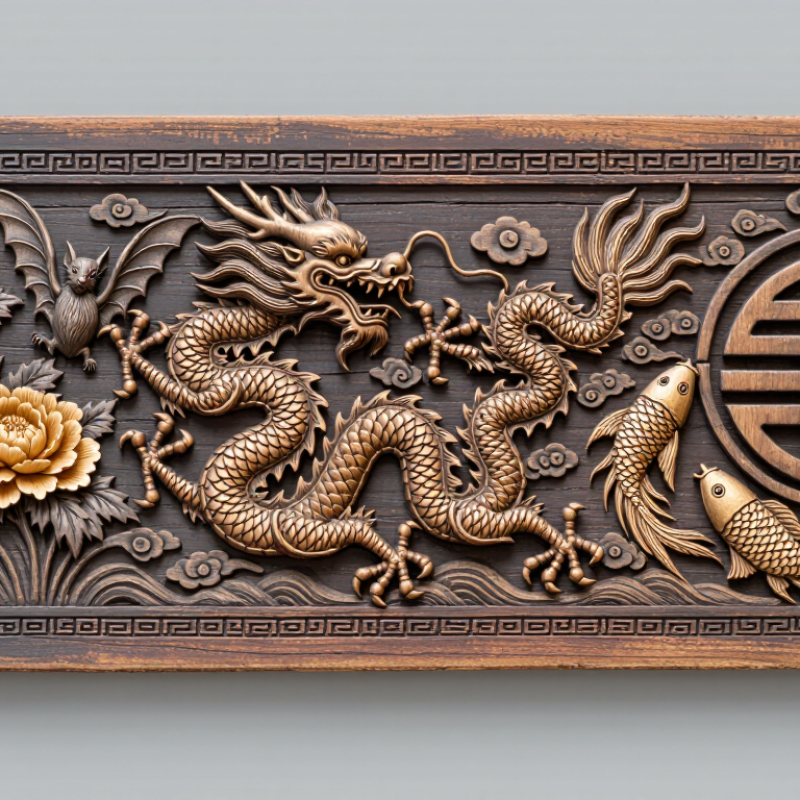
A carved flower, a watching bat, or a pair of fish can turn a wooden panel into a message. But meanings depend on context. A symbol’s placement, neighboring motifs, and the object’s purpose may change how viewers read it. So, What are the common symbols used in Chinese wood carving? This guide explores familiar motifs such as dragons, phoenixes, peonies, bats, fish, and the character for longevity, while showing how to look beyond a motif’s surface.

Art historian Li Yanzu’s scholarship on Chinese folk art offers a useful principle, paraphrased here: “Read a symbol through its cultural setting, not its shape alone.” This is a guide, not a verified direct quotation. The distinction matters. A bat may suggest good fortune because its Chinese name sounds like the word for blessing, while a fish can evoke abundance through a different word association. Details matter.

These seven tips will help readers identify common symbols, notice paired designs, and consider carving style and setting. Look closely at the grain, too. A worn panel may obscure small details, and regional traditions do not always follow one simple rule. Some interpretations remain uncertain. That is worth admitting. Careful observation, reliable cultural references, and attention to context make a stronger reading than guessing from a single carved shape.
7 Tips to Identify Common Chinese Wood Carving Symbols?

Understand the Cultural Role of Symbols in Chinese Wood Carving

Chinese wood carving symbols do more than decorate a panel. They can express wishes for harmony, longevity, learning, or good fortune. A bat may suggest blessings through a word association, while peaches often evoke long life. Yet no symbol has one fixed meaning. Region, period, placement, and neighboring motifs all matter.

Tip: Read the whole composition before naming a motif. A crane beside pine trees may suggest longevity, while the same bird can carry another meaning elsewhere. Notice repeated objects and possible wordplay. A vase, lotus, or coin may form a visual pun when carved together. Small details help. Check the petals, an animal’s posture, and what it holds. These clues are useful, but not proof.

Tip: Consider where the carving appears. A doorway, screen, or furniture panel can shape its message, though household traditions vary. Compare details with reliable museum catalogues or regional craft studies, and note uncertainty rather than forcing an answer. Worn edges may conceal important features. Sometimes, the reading stays open. Chinese symbols belong to living traditions, not a simple codebook.

Identify Common Motifs by Their Visual Features

Begin with the carving’s outline, then check the details inside it. A dragon often has a long, winding body, clawed feet, and overlapping scales. Its mane may curl into cloud-like strokes. Look closely. A phoenix is usually recognized by its fan-shaped tail and fine, feather-like lines; flames around the body can support the identification, but they are not conclusive. Peonies tend to show broad, layered petals and rounded centers. Their petals may overlap like small cups.

Other motifs are easier to spot by repeated shapes. A bat has pointed wings and a compact body; in traditional Chinese decoration, it can suggest good fortune through a sound association with the word for blessing. Lotus flowers have distinct petals, while a seedpod may show round openings. Pomegranates are often carved with a split rind and clustered seeds. Still, wood grain, damage, and local styles can blur these clues. The distinction is not always neat. Compare several features rather than naming a symbol from one mark alone. For instance, a curled line might be a cloud, a leaf, or simply a decorative filler. Check nearby figures and the overall scene before settling on an interpretation.

Interpret Animals, Plants, Objects, and Auspicious Patterns

Begin with the carved subject: is it a fish, bat, deer, or bird? Look closely. A fish may suggest abundance, while a bat can signal good fortune through a word association in Chinese. Interpretations vary by region and period, so treat these meanings as clues, not fixed rules. A deer may relate to longevity or success, especially when paired with other symbols. Notice its posture, direction, and companions. Two fish circling waves can tell a different story from a single fish beside a lotus. Small details matter.

Plants and objects add another layer. Peaches commonly point to long life; peonies can suggest prosperity, while pine and bamboo often evoke endurance. A vase may represent peace through a Chinese word association, and a ruyi-shaped object can signal wishes fulfilled. Look for auspicious clouds, repeating knots, or geometric borders around the main figure. These patterns may frame a hopeful message rather than stand alone. Check how motifs overlap, and note the wood’s wear or repairs. A chipped edge can hide a key detail. I would avoid claiming certainty from one symbol alone.

Use Composition, Placement, and Carving Style as Clues

When identifying a Chinese wood carving, begin with the whole composition, not one isolated figure. A central figure framed by smaller attendants may suggest a hierarchy, while a balanced pair of birds can point to harmony. Look for repeated objects, too. A bat, peach, or vase may carry auspicious meanings, but context matters. Symbols vary by period and region.

Placement offers another clue. A motif above a doorway may have a protective role; a carving on a cabinet panel may express wishes for family life or good fortune. Notice what sits beside it. A peach near an elder can suggest longevity, while the same fruit among other motifs may add a broader blessing. Check orientation and symmetry. Small differences can be meaningful, or simply practical choices by the carver.

Carving style helps narrow the reading. Deep relief casts strong shadows and makes figures appear prominent; fine, shallow lines may emphasize clothing, scales, or petals. Examine the tool marks and how details fit the surrounding wood. Wear can soften important features. I still misread motifs sometimes. That is a useful reminder: one clue rarely proves a symbol’s meaning. Compare the composition, location, and carving style together, and treat uncertain interpretations as possibilities rather than facts.

Check Meanings Against Historical and Regional Contexts

Tip 1: Date the carving before assigning a meaning. Look for inscriptions, donor names, building records, and the panel’s original location. A fish may suggest abundance through a Chinese wordplay, but that reading is not automatic. A temple, ancestral hall, and household chest can give the same image different purposes. UNESCO’s 2022 Re|Shaping Policies for Creativity report estimates that cultural and creative industries contribute 3.1% of global GDP and 6.2% of employment. The figures underline why careful interpretation matters, though they do not explain any single carving.

Tip 2: Compare regional styles, not just familiar motifs. Dongyang carvings are known for layered, finely detailed scenes; other local traditions may favor different compositions and carving depths. A bat can evoke good fortune through its sound association with “fortune,” yet surrounding objects may shift the message. Check museum records, local craft studies, and dated photographs. Context is evidence.

Tip 3: Read the whole surface. Note which figures face each other, what objects they hold, and whether the carving belongs to a larger architectural scheme. Record uncertainty rather than forcing a neat meaning. Even a well-documented symbol can be misread when its original setting is missing; that limitation deserves to stay visible.

FAQS

How can I identify a dragon in a wood carving?

Look for a long, winding body, clawed feet, overlapping scales, and a curling mane. One curled line is not enough.

What features help distinguish a phoenix from other birds?

A fan-shaped tail and fine feather-like lines are useful clues. Flames may support the reading, but they do not prove it.

What do bats and fish commonly symbolize?

A bat may suggest good fortune through a Chinese word association. Fish can suggest abundance. Context matters.

Which details can help identify flowers and fruit?

Peonies often have broad, layered petals. Pomegranates may show a split rind and clustered seeds. Look for round openings in a seedpod.

Can nearby figures change a motif’s meaning?

Yes. Two fish circling waves may suggest something different from one fish beside a lotus. The surrounding scene matters.

How can a carving’s original setting affect interpretation?

A temple, ancestral hall, or household chest may give the same image different purposes. Inscriptions and building records can help.

Why should I consider regional carving styles?

Local traditions differ in composition and carving depth. Some use finely layered scenes; others may not. Not always easy to tell.

What should I do if a carving is damaged or unclear?

Note chips, repairs, and uncertain details. Wood grain can disguise a shape. I might still be wrong. That uncertainty belongs in the record.

Conclusion

Chinese wood carving symbols are more than decoration: they can express wishes for good fortune, longevity, harmony, protection, or prosperity. To recognize them, begin with visible features. Look for familiar animals, plants, everyday objects, and repeating auspicious patterns, noting distinctive shapes and details rather than relying on a single feature. What are the common symbols used in Chinese wood carving? Their meanings vary, but motifs such as animals and flowering plants often carry cultural associations that can help guide interpretation.

The carving’s composition also offers clues. Observe how figures relate to one another, where motifs appear on the object, and whether the carving is bold, delicate, symmetrical, or highly detailed. These choices may shape the message or highlight a particular theme. Finally, compare your interpretation with the work’s historical period and regional context. A symbol’s meaning is not always fixed, so considering visual evidence, placement, style, and cultural background together provides a more thoughtful reading.

Henry

Henry

Henry is a dedicated marketing professional with a profound expertise in the company's offerings. With years of experience in the industry, he possesses an impressive understanding of the market dynamics and consumer behaviors that drive success. Henry is committed to sharing his insights through......