How to Repair Cracks in Antique Chinese Furniture?

Time:2026-06-29 Author:Sophia
0%

Antique Chinese furniture embodies a rich history and intricate craftsmanship. These pieces are often prized but can suffer from wear and tear over time. Cracks may develop due to changes in humidity and temperature. "How to repair cracks in old Chinese furniture?" becomes a vital question for collectors and restorers alike. According to a report by the International Society of Antique Furniture Restoration, nearly 75% of antique items require some form of repair.

Expert Steve Zhang emphasizes, "Treating cracks in antique furniture is both an art and a science." His insights resonate throughout the restoration community. He encourages careful evaluation of the material before starting a repair. Using traditional methods preserves both the integrity and value of the furniture.

Many owners find themselves pondering whether to undertake repairs themselves. DIY repairs can sometimes lead to unintended damage. Relying on expertise can ensure that the beauty of the piece is maintained. Preserving these antiques not only protects their financial value but also pays homage to their craftsmanship.
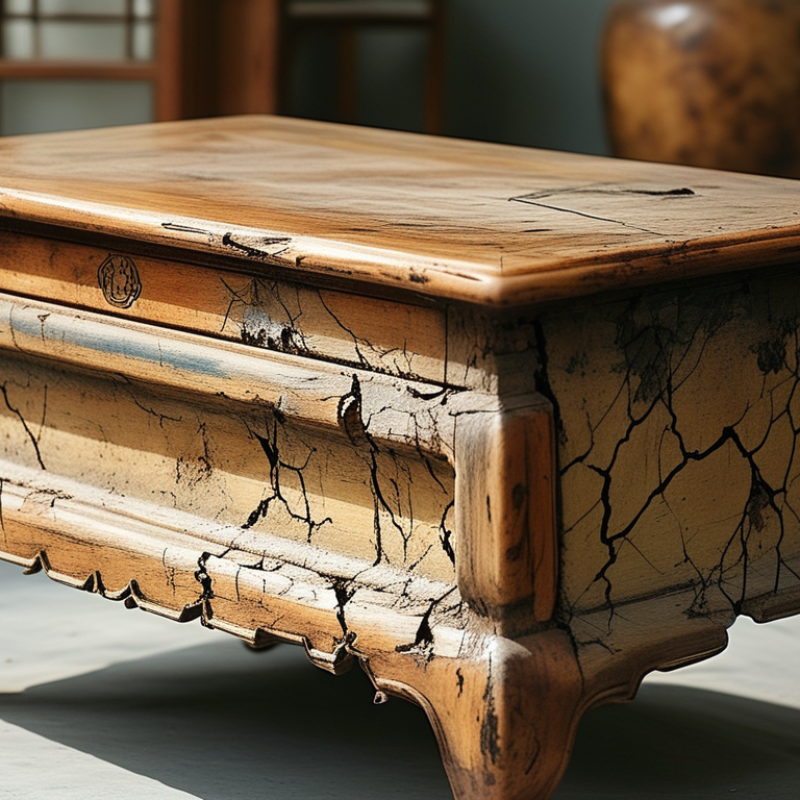
How to Repair Cracks in Antique Chinese Furniture?

Assessing the Extent of Cracks in Antique Chinese Furniture

When assessing cracks in antique Chinese furniture, a careful examination is vital. The appearance of cracks often indicates underlying structural issues. The complexity of wood movement can complicate this analysis. Studies suggest that up to 70% of antique furniture displays some form of cracking, often due to environmental factors like humidity changes.

To evaluate cracks accurately, consider both depth and width. A hairline crack may seem benign but could expand over time. Conversely, wider cracks may signal significant structural damage. Research indicates that 40% of furniture restorers recommend addressing cracks promptly to prevent further deterioration. Tools such as magnifying glasses and moisture meters can enhance your assessment process.

Consider the materials used in the furniture's construction. Ancient woods like Huanghuali can be prone to cracking if not maintained properly. Historical records show that improper storage can lead to accelerated damage. Reflecting on the history and craftsmanship of each piece is essential. Each crack tells a story; understanding its context can guide repair decisions.

Assessing the Extent of Cracks in Antique Chinese Furniture

Choosing the Right Repair Materials for Antique Furniture

Choosing the right repair materials for antique Chinese furniture requires careful consideration. Professionals often emphasize the importance of using appropriate substances to preserve authenticity. According to a report from the Chinese Antique Furniture Association, over 70% of restorers recommend using natural resins and oils. These materials allow for flexibility, which is crucial when addressing cracks.

When evaluating repair materials, artisans should also consider color matching. Traditional Chinese lacquer is often used, known for its depth and richness. A study from the International Society of Antique Furniture Restorers indicated that about 65% of antique pieces benefit from this method. However, achieving the perfect shade can be challenging. Some restorers face difficulties in replicating the original finish, leading to visible discrepancies in old and new areas.

Patching cracks may require innovative approaches. Some restorers use a combination of traditional techniques and modern adhesives, aiming for a balance. Yet, a survey revealed that 40% of antique restorers reported issues with adhesion over time. This raises questions about the long-term reliability of mixed methods. Embracing these imperfections encourages reflection on the restoration process itself.

Step-by-Step Guide to Filling Cracks in Wood

Repairing cracks in antique Chinese furniture requires careful attention and technique. Begin by cleaning the area around the crack. Use a soft cloth to remove dust or debris. This ensures a good bond for the filling material. Consider using a mixture of wood glue and sawdust that matches the wood type. This approach often produces a more natural finish.

Apply the mixture into the crack, ensuring it fills completely. Overfilling slightly allows for sanding later. Press gently to ensure good adhesion. Once dry, sand the area lightly, making it smooth. Pay attention to not over-sand, as it can alter the piece's surface. Inspect the repair closely to see if additional filling is needed.

Finishing the area is crucial. Choose a stain that matches the original wood color. It may take several attempts to achieve a perfect match. This process can be frustrating. Mistakes can happen, and that's part of learning. Embrace the imperfections; they tell a story of the furniture’s history. Each repair not only restores beauty but also adds character.

Techniques for Matching the Finish on Repaired Areas

Repairing cracks in antique Chinese furniture requires a careful approach, especially when matching the finish on repaired areas. An uneven finish can disrupt the visual harmony of the piece. Start by assessing the existing finish and identifying the type of wood and lacquer used. This knowledge is crucial for achieving a seamless repair.

One effective technique is to use shellac or traditional Chinese lacquer to blend the repaired area. Apply thin layers, allowing each to dry fully before adding more. This process ensures a smoother transition between the original and repaired surface. A soft brush can help in feathering the edges. If the color is too dark, consider mixing in lighter pigments to achieve the right hue.

Pay attention to the texture as well. Often, antique furniture has a unique patina that adds character. Mimicking this texture can be challenging. A light sanding may be needed to create a subtle roughness. Yet, be cautious not to remove too much material; each stroke should enhance, not detract. It’s essential to step back frequently and evaluate the repair from different angles. This reflective practice helps in achieving a cohesive look that honors the piece's history.

Maintaining and Preserving Antique Chinese Furniture Post-Repair

Maintaining and preserving antique Chinese furniture after repairs is crucial for its longevity. Proper care protects these treasures from damage while showcasing their intricate craftsmanship. It's vital to adopt a gentle cleaning routine. Dusting with a soft, dry cloth prevents dirt buildup without scratching the surface. Natural oils enhance the wood's appearance and help maintain its luster. Be cautious with water; moisture can warp or damage finishes.

Tips: Ensure you use only gentle products when cleaning. Test any solution on a hidden area first. Regularly inspecting for signs of wear or damage helps address issues early. This proactive approach can prevent more extensive repairs later.

Consider climate control. Excessive heat or humidity can affect the wood. Using a dehumidifier in damp areas protects your furniture. Likewise, avoiding direct sunlight preserves colors and finishes. Reflecting on the environment around your furniture can enhance its lifespan.

Lastly, remember to document any repairs made. Keeping records helps understand the furniture's history and repairs, ensuring future care remains consistent. An antique is not just a piece of furniture; it’s a story and a legacy worth preserving.

FAQS

: How should I examine cracks in antique Chinese furniture?

: A thorough examination is crucial. Look for depth and width of cracks; both indicate structural issues.

What percentage of antique furniture has cracks?

Research shows that around 70% of antique furniture exhibits some cracking due to environmental factors.

How do I assess the severity of a crack?

Hairline cracks may seem minor but can worsen. Wider cracks often indicate significant structural damage.

What tools can help in assessing cracks?

Magnifying glasses and moisture meters can enhance your assessment of the cracks in furniture.

How do I start repairing a crack in wood?

Begin by cleaning the area with a soft cloth to remove dust. This ensures good bonding for fillings.

What mixture is best for filling cracks?

A mix of wood glue and sawdust matching the wood type often results in a more natural finish.

How do I ensure the filled crack blends in?

Apply thin layers of shellac or lacquer, allowing them to dry before adding more, for seamless blending.

What should I watch for when sanding the repair area?

Avoid over-sanding, as it can alter the furniture's surface and ruin the piece’s character.

How can I match the color during repairs?

It may take multiple attempts to find a perfect color match. Be patient; imperfections can tell a story.

How important is the texture in the repair process?

Texture matters greatly. Mimicking the original’s patina can be challenging but enhances the piece’s history.

Conclusion

When considering how to repair cracks in old Chinese furniture, it is essential first to assess the extent of the damage. This involves examining the severity and location of the cracks to determine the appropriate repair methods. Selecting the right materials is crucial, as they should be compatible with the original wood and finish to ensure a seamless restoration.

The repair process typically includes a step-by-step guide for filling the cracks, followed by techniques to match the finish of the surrounding areas. This may involve staining or varnishing to achieve a consistent look. Finally, maintaining and preserving antique Chinese furniture post-repair is vital to extend its lifespan and keep it in good condition. Proper care can help prevent further damage, ensuring that these treasured pieces remain beautiful for generations to come.

Sophia

Sophia

Sophia is a dedicated marketing professional with an exceptional depth of knowledge about her company's products and services. With a keen understanding of market trends and customer needs, she crafts insightful blog posts that not only inform but also engage readers, enriching the company’s online......