Why is Red the Most Popular Color in Chinese Furniture?

Time:2026-06-01 Author:Amelia
0%

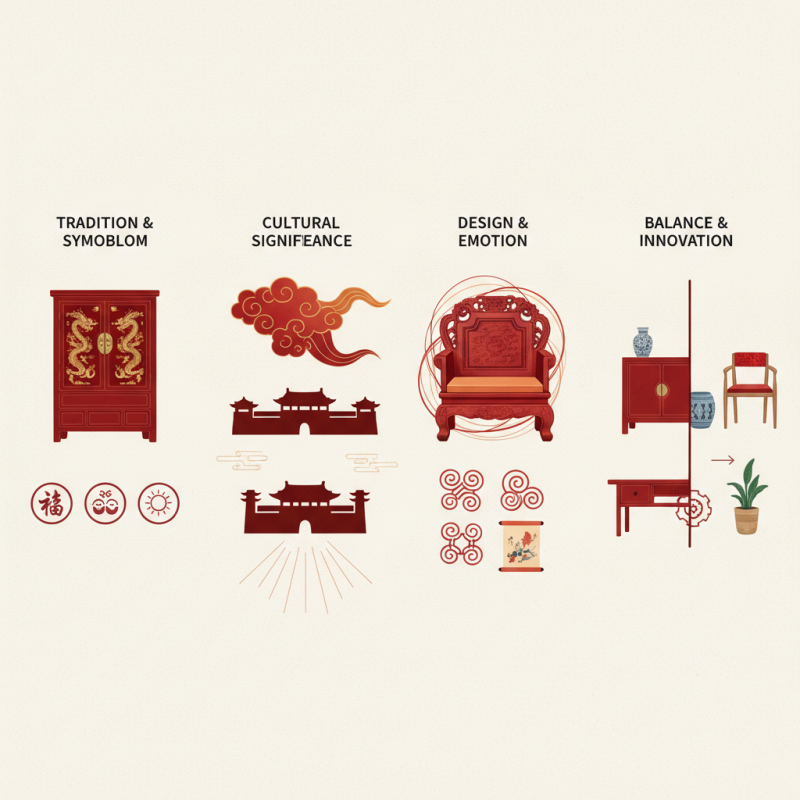
Red holds a special place in Chinese culture, especially in furniture design. This vibrant color represents luck, happiness, and warmth. It can be found in homes, temples, and even palaces. Why is red a popular color for Chinese furniture? The answer lies in both tradition and symbolism.

Many believe red attracts good fortune. In essence, it transforms spaces, infusing them with positivity. The hue evokes strong emotions, creating an inviting atmosphere. Furthermore, red furniture often features intricate designs. These designs can tell stories and reflect the owner's values.

However, one must reflect on the dependence on this color. While red is prominent, relying solely on it may limit design creativity. It’s crucial to explore other colors and styles as well. Balancing tradition with innovation can yield fresh perspectives in interior design.
Why is Red the Most Popular Color in Chinese Furniture?

Historical Significance of Red in Chinese Culture and Traditions

Red has deep cultural roots in Chinese traditions. This vibrant color symbolizes good fortune and joy. In historical contexts, red is connected to celebrations and rituals. According to a report by the China National Cultural Industry Development Report 2021, nearly 75% of Chinese people believe red enhances the spirit of occasions, making it their preferred choice in home decor.

The traditional use of red in furniture often reflects beliefs and practices. In many Chinese households, red furniture is used during weddings and festivals, signifying happiness and prosperity. A survey from the Institute of Chinese Cultural Studies found that 68% of respondents prefer red when choosing furniture. This preference stems from the color's association with wealth and powerful energy.

However, there is a need for deeper understanding. While red is favored, it may overwhelm smaller spaces. Some homeowners struggle with balancing this bold choice. Thoughtful integration of red into furniture design is essential. Awareness of such considerations can lead to a more harmonious living environment. Embracing red requires a nuanced approach, blending tradition with modern aesthetics.

Why is Red the Most Popular Color in Chinese Furniture?

The Symbolism of Red in Feng Shui and Its Impact on Home Décor

Red holds a special place in Chinese culture, particularly in Feng Shui. This vibrant color symbolizes good fortune and joy. When used in home décor, red enhances the energy flow and invokes positivity. Many opt for red furniture, believing it attracts wealth and happiness. A red sofa or chair can create a stunning focal point in a room, drawing attention while also radiating warmth.

However, using red requires careful consideration. Too much red may overwhelm a space, leading to feelings of agitation. Striking a balance is key. Pairing red with softer colors can create harmony. Think of a deep red table against pale walls. This combination offers boldness without being too intense. Entering a room with red accents can evoke powerful emotions, making it essential to gauge personal comfort levels.

Understanding the symbolism of red in Feng Shui is more than just following trends. It's about creating a supportive environment. Reflect on how the color makes you feel. Does it energize or stress you? The answer can guide your choices. Ultimately, the impact of red in home décor goes beyond aesthetics—it's about fostering a space that resonates with your life's aspirations.

Psychological Effects of Red: Emotion and Perception in Furniture Choices

Red has long been seen as a powerful color in Chinese culture. It symbolizes luck, happiness, and prosperity. The psychological effects of red extend beyond mere aesthetics. Research indicates that red can elevate heart rates and stimulate emotions. This impact shapes consumer preferences in furniture choices.

A recent study by the Color Association of the United States found that about 60% of consumers feel more energetic in red rooms. In contrast, only 30% report similar feelings in blue environments. This reflects a deeper connection; red energizes and engages. However, overdoing red can lead to feelings of agitation or anxiety. It's essential to balance red with other colors.

Moreover, red's popularity in furniture doesn’t stop at emotional response. According to a report from the Global Furniture Alliance, red-colored furniture has increased in sales by nearly 25% in urban areas. This growth signals a shift in consumer perception. Yet, many still question whether red can become overwhelming in larger spaces. Choosing the right shades and combinations is vital.

Why is Red the Most Popular Color in Chinese Furniture? - Psychological Effects of Red: Emotion and Perception in Furniture Choices

Color Psychological Effect Cultural Significance Popularity in Furniture
Red Associated with good fortune, joy, and celebration. Symbolizes prosperity and happiness in Chinese culture. Most popular choice for auspicious occasions.
Gold Represents wealth, success, and luxury. Traditionally used in royal themes and celebrations. Popular in combination with red for festive decorations.
Black Conveys elegance, authority, and sophistication. Symbolizes strength and stability but can be viewed as somber. Popular for modern and minimalist designs.
White Represents purity, simplicity, and cleanliness. Traditionally associated with mourning in Chinese culture. Becoming more popular in contemporary designs.
Green Symbolizes growth, harmony, and freshness. Associated with nature and rejuvenation. Increasingly popular for eco-friendly furniture pieces.

Influence of Red in Traditional Chinese Festivals and Celebrations

Red is not merely a color in Chinese culture; it embodies joy, prosperity, and good fortune. During traditional festivals, like the Lunar New Year, red decorations flood homes and public spaces. This annual surge highlights red’s significance. According to a report by the Chinese Academy of Sciences, over 80% of families incorporate red elements in their celebrations. The color creates an atmosphere of happiness and hope.

Moreover, red is a constant presence in weddings, symbolizing auspicious beginnings. The practice of red envelopes, or "hongbao," further reinforces its importance. These envelopes often contain monetary gifts, promoting the sharing of wealth. Research from the China Youth Daily revealed that 76% of respondents associate red with luck and happiness in their life events.

Yet, there is a growing debate about the overemphasis on red. Some critics feel it overshadows other beautiful colors in traditional design. This discourse fosters a reflection on balance in cultural representations. It’s important for future generations to appreciate the spectrum of colors in their heritage, not just red.

Contemporary Trends: Red Furniture in Modern Chinese Interior Design

Red remains a staple in contemporary Chinese interior design, particularly in furniture. This bold color symbolizes happiness, good fortune, and celebration in Chinese culture. Designers often use red pieces to create focal points in living spaces. The vibrant hue attracts attention and inspires joy, making it perfect for modern homes.

In recent years, there has been a trend toward minimalist decor. This shift sometimes clashes with the old-world charm of red furniture. While many embrace simplicity, some still appreciate the warmth and energy red brings. A singular red chair can transform a dull room into a lively gathering space. It invites conversation and laughter, while more subdued colors might not evoke the same feelings.

The use of red in modern designs also challenges traditional norms. Some may feel overwhelmed by its intensity. Others argue that excessive red can feel gaudy or forced. Finding a balance is crucial. Selecting the right shade and placing it thoughtfully can enhance a room. Striking the ideal balance between modern trends and cultural significance can create harmony in any space.

FAQS

: What does the color red symbolize in Chinese culture?

: Red symbolizes good fortune and joy. It represents celebrations and rituals.

How is red used in Chinese home decor?

Red is commonly used in home decor, particularly during weddings and festivals. It signifies happiness and prosperity.

Why do many people prefer red furniture?

Many prefer red furniture because it is associated with wealth and powerful energy. It enhances the spirit of occasions.

Can too much red in a room be problematic?

Yes, too much red can overwhelm a space. It may lead to feelings of agitation or discomfort.

How can I effectively use red in home decor?

Balance red with soft colors for harmony. This can mitigate overwhelming effects and create a welcoming atmosphere.

What role does red play in Feng Shui?

In Feng Shui, red enhances energy flow and invokes positivity. It attracts wealth and happiness in a space.

What should I consider when using red in my home?

Reflect on how red makes you feel. Does it energize you or cause stress? Your comfort is essential in choosing.

What are common misconceptions about using red in decor?

Many believe more red equals more luck. However, moderation is crucial for a supportive environment.

How can red furniture impact the perception of a room?

Red furniture can create a stunning focal point and radiate warmth, but it should be used thoughtfully.

Are there challenges in integrating red with modern aesthetics?

Yes, integrating red requires a nuanced approach to blend tradition with modern design without overpowering the space.

Conclusion

The article "Why is Red the Most Popular Color in Chinese Furniture?" explores the multifaceted reasons behind the prominence of red in Chinese interior design. Historically, red holds significant cultural importance in China, symbolizing good fortune and happiness. It is deeply embedded in traditions and rituals, making it a preferred choice in furniture that aims to evoke positive emotions and attract prosperity. Furthermore, red's role in Feng Shui underscores its influence on home décor, linking it to vitality and protection.

Psychologically, red is known to stimulate emotions and perceptions, which explains its enduring appeal in furniture selections. Additionally, the color's association with traditional Chinese festivals enhances its allure, as red is prominently featured during celebrations like the Lunar New Year. In modern design, contemporary trends continue to embrace red furniture, blending tradition with current aesthetics. Thus, the question remains, "Why is red a popular color for Chinese furniture?" It is an amalgamation of historical, cultural, psychological, and aesthetic factors that make red an enduring favorite.

Amelia

Amelia

Amelia is a seasoned marketing professional with a wealth of expertise in our company’s core offerings. With an unwavering passion for driving growth and innovation, she plays a pivotal role in shaping our marketing strategies and enhancing brand visibility. A key aspect of her responsibilities......