When considering how to polish traditional Chinese lacquerware, it's essential to understand its unique characteristics. This art form requires not only skill but also a deep appreciation for its history and craftsmanship. Traditional lacquerware is known for its vibrant finishes and intricate designs. However, keeping it looking its best can be challenging.
Many believe polishing is a straightforward process, but it often demands patience and practice. Choosing the right materials is crucial. Using improper tools may damage the lacquer’s surface. Regular maintenance is key here. Dust accumulation can dull its shine. A gentle touch while cleaning can prevent scratches.
Expert advice can guide you through this delicate process. While some methods promise quick results, they might not be suitable for every piece. Observing the lacquer’s reaction to different products can be enlightening. In your endeavor to bring out the luster, be prepared for some trial and error. Understanding how to polish traditional Chinese lacquerware is a journey that highlights the beauty of these timeless pieces.
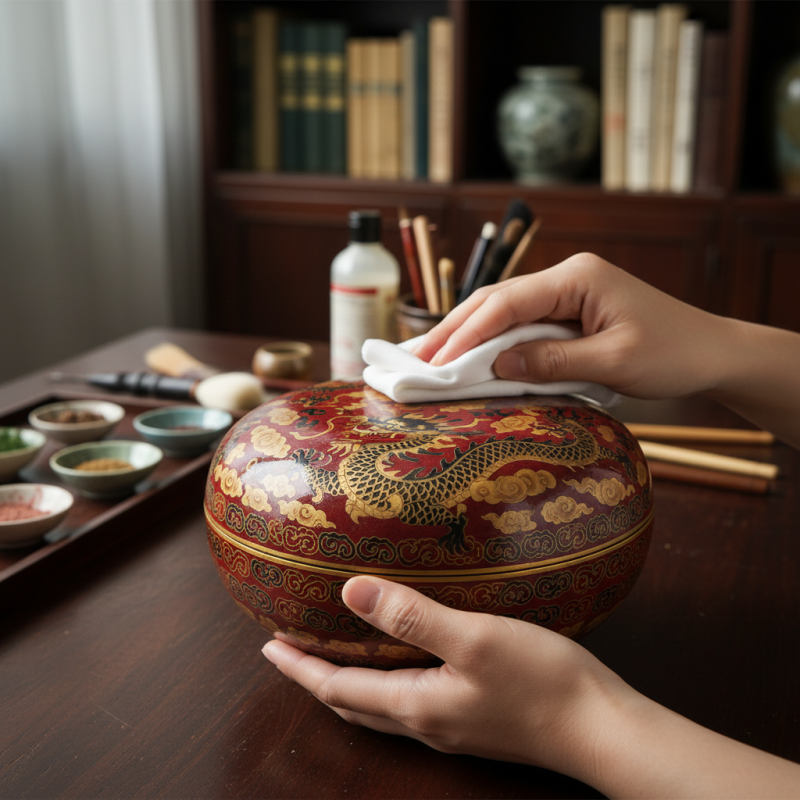
Understanding Traditional Chinese Lacquerware Materials and Techniques
Traditional Chinese lacquerware is an art form that dates back thousands of years. It is made using natural lacquer, derived from the sap of the lacquer tree. The process is intricate and requires skill. Artisans apply multiple layers of lacquer to create a durable, glossy finish. Different materials can affect the final look and feel, making each piece unique.
For those working with lacquerware, understanding the materials is crucial. Natural lacquer can be sensitive to temperature and moisture. It can even take months to cure properly. Using the right tools is also essential. Soft cloths or brushes are best for polishing to avoid scratching the surface.
Tips: Always test in a small area first. This helps ensure that the polish won’t damage the piece. Be patient during the process. Rushing can lead to uneven finishes. Remember, every piece of lacquerware tells a story. Embrace imperfections that add character and charm.
Essential Tools for Polishing Traditional Chinese Lacquerware
Polishing traditional Chinese lacquerware is an art that requires the right tools and techniques. To achieve the best results, it’s essential to gather the necessary equipment. A set of high-quality polishing pads is crucial. These pads come in various materials, such as wool and foam, each offering a unique finish. Selecting the right pad can make a significant difference in the final appearance.
In addition to polishing pads, a range of abrasives is vital. Fine sandpapers, ranging from 400 to 2000 grit, ensure a smooth surface. This allows for the layering of lacquer. Reportedly, the application of multiple thin layers, using fine abrasives, increases the depth of gloss. According to industry studies, using a combination of different grits can elevate the overall finish, enhancing the vibrant colors characteristic of traditional lacquerware.
Another important tool is a soft cloth. It can be used for both application and buffing. The choice of cloth impacts the finish; synthetic fibers can leave scratches. A rare but overlooked aspect is the technique used while polishing. Over-polishing can damage the lacquer, leading to uneven surfaces. Achieving balance requires patience and practice. Polishing may create imperfections, which often serve as a reminder of the artisan’s touch. Acknowledging these flaws can deepen appreciation for this exquisite craft.
Step-by-Step Guide to Cleaning Lacquerware Before Polishing
Cleaning traditional Chinese lacquerware before polishing is crucial for optimal results. Start with a soft, dry cloth to remove loose dust. Avoid abrasive materials that can scratch the surface and diminish its beauty. Studies show that improper cleaning can lead to long-term damage, as noted in the Journal of Conservation Science, which emphasizes the importance of maintenance.
Using a damp cloth is essential for grime and fingerprints. Ensure the cloth is only lightly moist to prevent water damage. Follow with a dry cloth to eliminate any residue. Remember, lacquerware is sensitive to humidity. Excess moisture can cause warping or peeling. A recent survey of lacquerware collectors revealed that over 40% have experienced damage from improper cleaning methods.
Tip: Always handle lacquerware with clean hands to avoid transferring oils and dirt. It’s beneficial to keep your lacquerware in a stable environment, free from extreme temperatures. Keep it out of direct sunlight as UV rays can fade colors. Small cracks can develop if the lacquer is not treated properly, highlighting the need for diligence in cleaning. With proper care, these beautiful pieces can last for generations, showcasing their traditional craftsmanship and cultural heritage.
Polishing Traditional Chinese Lacquerware: Effectiveness of Different Techniques
Methods to Polish Lacquerware for Optimal Shine and Durability
Polishing traditional Chinese lacquerware can enhance its beauty and extend its lifespan. Using the right techniques is vital for optimal shine and durability. According to a report by the China Lacquerware Industry Association, proper maintenance can increase the durability of lacquerware by up to 50%.
Start with a gentle cleaning. Use a soft, lint-free cloth or sponge. Avoid any abrasive materials as they can damage the surface. Next, apply a lacquer polish that is suitable for your piece. Ensure it is free from harsh chemicals, as these can harm the delicate finish. Experts recommend polishing in a circular motion. This method not only helps achieve an even shine but also minimizes the risk of streaks.
Regular maintenance is equally important. Dust your lacquerware regularly to prevent buildup that can lead to dullness. Experts agree that a daily wipe with a soft cloth can greatly enhance its appearance over time. However, it’s crucial to remember that over-polishing can wear down the lacquer. Finding a balance is essential. Relying solely on polishing can sometimes give a false sense of perfection. Regular care involves understanding the material and allowing it to breathe, ensuring it remains vibrant and resilient.
Maintenance Tips to Preserve the Finish of Lacquerware Over Time
Lacquerware is a beautiful blend of art and craftsmanship. To maintain its stunning finish, regular care is essential. Start by dusting your lacquerware with a soft, dry cloth. This simple action can prevent dirt buildup, which may dull the surface over time. However, be careful not to use abrasive materials; they can scratch the delicate finish.
When cleaning, use a damp cloth. Avoid soaking the item, as excessive moisture can lead to damage. For stubborn spots, a mild soap can be used. Make sure to rinse and dry thoroughly. Even this process can sometimes leave marks, reminding us that perfection is a constant pursuit. Regularly assessing the pieces for wear or fading is also crucial.
Consider applying a thin layer of lacquer polish every few months. This refreshes the shine and provides protection. However, be cautious with the amount used. Too much polish can accumulate and create an uneven look. Each care step can bring out unique characteristics of the piece, for better or worse. Understanding and embracing these nuances helps preserve the beauty of traditional Chinese lacquerware over time.
FAQS
: High-quality polishing pads, abrasives, and a soft cloth are crucial for polishing.
Pads made from wool and foam provide different finishes and effects on lacquerware.
Fine sandpapers, from 400 to 2000 grit, smooth surfaces and improve the lacquer’s depth of gloss.
Cleaning removes dust and grime, preventing long-term damage to lacquerware.
Avoid using abrasive materials that can scratch and diminish the piece's beauty.
Use it lightly to avoid water damage, then follow with a dry cloth to remove residue.
Excess moisture may cause warping or peeling of the lacquer.
Clean hands prevent transferring oils and dirt, maintaining the lacquer's pristine condition.
Extreme temperatures and direct sunlight may fade colors and cause cracks over time.
Polishing can create imperfections that reflect the artisan's touch, enhancing appreciation for the craft.
Conclusion
In the article titled "How to Polish Traditional Chinese Lacquerware for Best Results?", various techniques and tools are discussed to ensure optimal care of these exquisite items. It begins with an understanding of the materials and traditional methods used in creating lacquerware, laying a solid foundation for effective polishing practices. Essential tools are highlighted, enabling enthusiasts to prepare adequately before beginning the polishing process.
The article provides a step-by-step guide on cleaning lacquerware before polishing, which is crucial for achieving a lustrous finish. Additionally, it outlines various methods to polish lacquerware, ensuring that it not only shines but also maintains durability. To further assist in preserving the exquisite finish over time, maintenance tips are shared, ensuring that readers are well-equipped to care for their lacquerware. This comprehensive guide effectively addresses the question, "How to polish traditional Chinese lacquerware?" while emphasizing the importance of proper techniques and care.

 ELDI Home