When considering the craftsmanship behind Chinese furniture, the type of wood used plays a crucial role. The question often arises: what are the most durable woods for Chinese furniture? Durability is essential for ensuring longevity and maintaining aesthetic appeal. For centuries, artisans have relied on specific woods known for their strength and resilience.
In this discussion, we will explore the top five woods that exhibit remarkable durability. These choices are not just traditional; they carry cultural significance and practical applications. Each wood type offers unique characteristics, making them ideal for various styles of furniture. From the elegance of hardwoods to the robustness of certain softwoods, the selection is diverse.
Understanding these materials enhances appreciation for Chinese furniture. It invites deeper reflection on craftsmanship and the environment. While modern alternatives exist, they cannot replicate the history and quality of traditional woods. Careful consideration is essential when choosing materials for enduring pieces. Ultimately, embracing these woods contributes to preserving craftsmen's legacy and values.
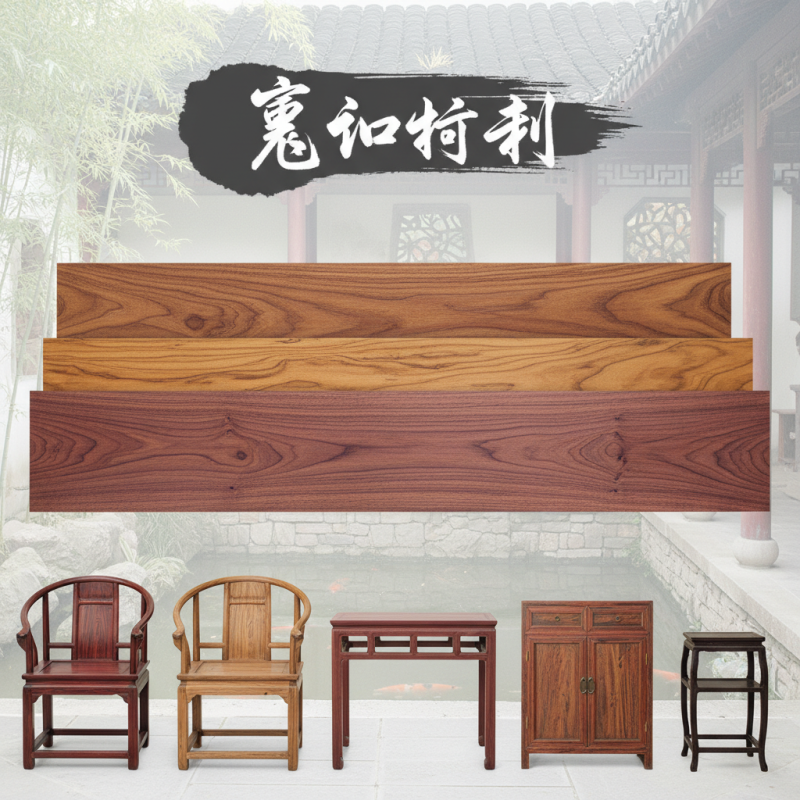
Understanding the Importance of Durability in Chinese Furniture
Durability plays a crucial role in Chinese furniture, impacting both longevity and functionality. Research shows that quality wood, like oak and teak, can withstand wear and tear better than lesser materials. For instance, according to a 2021 study published by the International Journal of Wood Science, hardwoods like mahogany exhibit remarkable resilience, with a density score that often surpasses 800 kg/m³. This high density makes them less prone to scratches and dents.
Additionally, furniture crafted from duraable woods is less likely to warp or crack over time. A report from the Furniture Industry Research Association indicates that well-constructed wooden pieces can last for generations. This is significant for families that pass down furniture, ensuring it remains a part of their heritage. However, not all woods perform equally well under different environmental conditions. Understanding moisture levels and temperature fluctuations is essential for maintaining the integrity of wooden items.
Choosing the right material is not always straightforward. While visually appealing, some woods may offer less durability. For example, softer woods like pine tend to wear out faster, leading to disappointment in the long run. Consumers must consider the balance between aesthetics and longevity. Ultimately, selecting durable woods can greatly enhance the value and lifespan of Chinese furniture.
Criteria for Selecting Durable Woods for Furniture Making
When selecting durable woods for furniture making, consider several key factors. Hardness is vital, as it determines resistance to wear and tear. Dense hardwoods, such as oak and maple, are often preferred. These woods can withstand daily use while maintaining their appearance over time.
Moisture resistance is another crucial element. Woods like teak and mahogany are naturally resistant to moisture. This helps prevent warping and decay, extending the life of furniture pieces. Additionally, aesthetic qualities play a role. The rich grain patterns in these woods can enhance the visual appeal of furniture.
Sustainability is often overlooked but is important. Sourcing wood responsibly ensures future availability. It’s worth noting that availability can vary. Sometimes, finding specific wood types becomes a challenge. Consider local alternatives that meet durability criteria. Making compromises might lead to innovative designs, but it’s essential to reflect on each choice you make.
Top 5 Most Durable Woods for Chinese Furniture
This chart illustrates the top five most durable woods commonly used in Chinese furniture making, measured by their Janka hardness rating. The higher the rating, the more resistant the wood is to wear and denting.
Top 5 Most Durable Woods Used in Traditional Chinese Furniture
When discussing traditional Chinese furniture, the choice of wood plays a significant role in durability and aesthetics. Several types of wood have been used for centuries, each offering unique qualities. Here are the top woods renowned for their durability:
One highly regarded wood is Huai wood. It is known for its toughness and resistance to warping. The rich grain patterns add character to any piece. Another durable option is Jian wood. This wood is praised for its strength and resilience. Its natural warmth makes it an appealing choice for furniture.
Teak wood is another classic favorite. Not only is it water-resistant, but it also holds up well against pests. The satin finish enhances its visual appeal. Finally, rosewood is famous for its exquisite look and unmatched strength. Each piece is unique, owing to its intricate grain.
Tips: Ensure proper care by avoiding excessive moisture. Regular polishing can maintain the wood's luster. When purchasing, check for signs of wear, as this can indicate the wood's longevity. Always buy from reputable sources to avoid low-quality materials.
Selecting durable woods is crucial for longevity. Each wood type comes with its own set of advantages and challenges. Understanding these factors helps in making informed decisions. Choose wisely to ensure your furniture stands the test of time.
Characteristics and Benefits of Each Durable Wood Type
When selecting wood for Chinese furniture, durability is key. In the field of woodworking, certain woods stand out for their strength and longevity. Teak, for example, is known for its natural oils that resist moisture and insects. According to a 2020 industry report, teak furniture can last over 75 years with proper care.
Another strong contender is mahogany. This wood is celebrated for its deep color and resistance to decay. A survey by the National Wood Flooring Association noted that mahogany maintains its quality for generations. Its fine grain adds elegance, making it a favorite for intricate designs.
Finally, cherry wood is often appreciated for its rich color that deepens with age. Its moderate hardness offers both beauty and durability. Research shows that cherry wood's structural integrity makes it suitable for various designs. However, it's sensitive to direct sunlight, which can dull its finish over time. Each wood type has unique qualities that cater to different needs and preferences.
Comparative Analysis of Durability Among the Selected Woods
When selecting wood for Chinese furniture, durability is key. Softwoods like pine may seem appealing due to their availability. However, they often lack the long-term resilience needed for quality furniture. A comparative analysis shows that hardwoods like oak, mahogany, and teak stand out in terms of durability.
According to the Wood Database, oak has a Janka hardness rating of 1,200 lbf, making it resistant to dents and wear. Mahogany is also robust, with a warm hue that ages beautifully over time. Teak, renowned for its oil content, resists moisture and pests. A study by the Forest Products Laboratory demonstrates that durable woods require lower maintenance, emphasising long-term value.
**Tip:** When choosing wood, consider the environment. Excessive humidity can warp even the strongest materials. Always inspect for proper finish and sealant to enhance longevity.
Durability can be a gray area. Some users may prefer softer woods for aesthetic reasons. Yet, while softer woods can be visually striking, they may not stand the test of time. Recognizing the balance between beauty and durability is crucial, even if that means compromising on style at times.
FAQS
: Hardness, moisture resistance, and aesthetic qualities are vital factors to consider.
Hardness determines the wood's resistance to wear and tear, allowing it to withstand daily use.
Dense hardwoods, such as oak and maple, are often favored for their resilience.
Woods like teak and mahogany resist moisture, which prevents issues like warping and decay.
Rich grain patterns can enhance the visual appeal of furniture, making aesthetics important.
Yes, sourcing wood responsibly ensures future availability, which is often overlooked.
Softwoods like pine may lack the long-term resilience needed for quality furniture.
Excessive humidity can warp even strong materials, so environmental conditions matter.
Not always; sometimes softer woods may suit aesthetic preferences, even if they lack durability.
Always inspect for proper finish and sealant to protect against wear and extending life.
Conclusion
The article titled "Top 5 Most Durable Woods for Chinese Furniture" emphasizes the significance of durability in furniture making, particularly within the context of traditional Chinese craftsmanship. It outlines essential criteria for selecting robust woods, focusing on their ability to withstand wear while maintaining aesthetic appeal.
In responding to the question, "What are the most durable woods for Chinese furniture?", the article highlights five exceptional wood types known for their strength, longevity, and unique characteristics. Each wood type is assessed for its benefits, including beauty, resistance to environmental changes, and ease of maintenance. Ultimately, the piece provides valuable insights into selecting the right materials for Chinese furniture, ensuring that both artisans and consumers can appreciate the enduring quality of their furniture investments.

 ELDI Home