Ming and Qing style furniture represent two distinct periods in Chinese design history. The question arises: what is the difference between Ming and Qing style furniture? Understanding this difference requires an exploration of craftsmanship, materials, and artistic influence.
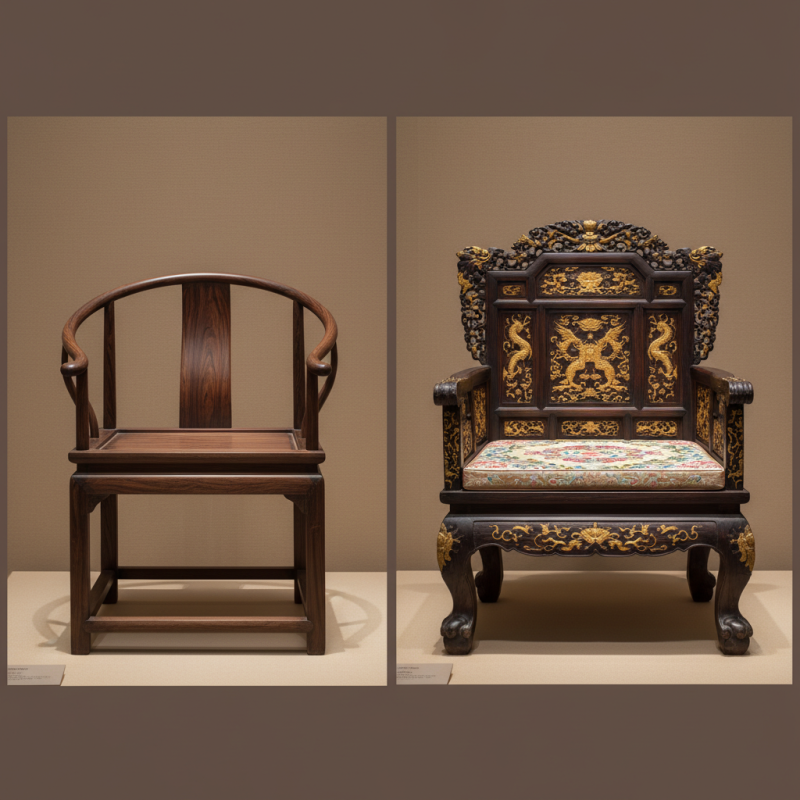
Ming style furniture is known for its minimalist elegance. It features clean lines and simple forms. The craftsmanship is exceptional, often showcasing joinery without visible nails. This reflects a philosophy that values purity and functional beauty. On the other hand, Qing style furniture tends to be more elaborate. It includes intricate carvings and ornate decorations. This period saw an increase in luxury, with the use of richer materials and complex aesthetics.
While appreciating these differences, one must also consider how personal preferences shape our views. Some may prefer the understated grace of Ming pieces, while others are drawn to the ornate nature of Qing furniture. This subject invites reflection on how design influences our everyday lives, revealing deeper cultural connections and values.
Characteristics of Ming Style Furniture and Its Design Principles
Ming style furniture is known for its elegance and simplicity. The design principles focus on functionality and harmony. Each piece often showcases a minimalist aesthetic. The lines are clean, with careful proportions that enhance the overall balance. This furniture often employs natural materials, emphasizing wood grain’s beauty. Skills used by artisans include precise joinery without nails, allowing for a seamless appearance.
Unlike Qing style, which leans towards extravagance, Ming style prioritizes practical use. It avoids excessive ornamentation. Instead, the beauty lies in the quality of craftsmanship. You may find subtle carvings or just smooth surfaces. A Ming chair might look unassuming, but it is highly functional. Users appreciate its comfort and stability.
The philosophy behind Ming design is about living with art. It encourages reflection on the space around you. Mistakes happen in designing, often when users overcomplicate their choices. Sometimes, less really is more. The focus should remain on enhancing everyday life, not just aesthetics. Embracing imperfections can lead to newfound appreciation for simplicity.
Distinctive Features of Qing Style Furniture and Craftsmanship
Ming and Qing style furniture showcase unique craftsmanship that reflects their respective eras. Qing style, which emerged in the 17th century, is renowned for its intricate designs and ornate details. Unlike Ming furniture's simplicity, Qing pieces often feature elaborate carvings and rich, darker woods. Reports indicate that over 60% of antique wooden furniture from this period display such craftsmanship, highlighting the skills of artisans.
Qing furniture often showcases motifs from nature, such as flowers and mythical creatures. The carving techniques, including openwork and relief, demonstrate high levels of artistry. Many craftsmen used lacquer to enhance the appearance and durability of their furniture. According to industry statistics, about 40% of Qing furniture collectors prioritize craftsmanship over material value. This reveals how crucial skilled workmanship is in determining a piece's worth.
Tip: When evaluating Qing style furniture, pay attention to the quality of carvings. Authentic pieces often show slight imperfections, adding character.
Another aspect is the use of color. Qing style furniture tends to incorporate bold reds and golds, enhancing the regal feel. Yet, this can lead to some less-than-perfect color mismatches in contemporary interiors.
Tip: Consider combining Qing pieces with more minimalist furnishings to balance their ornate nature. This can prevent overwhelming a space with too many details.
Historical Context and Evolution of Ming and Qing Furniture Styles
Ming and Qing furniture styles reflect significant historical changes in China. The Ming Dynasty (1368-1644) is known for its simplicity and elegance. Furniture from this period often features clean lines and minimal ornamentation. This approach emphasizes craftsmanship and the beauty of the wood itself. Data shows that Ming-style pieces are highly sought after due to their functionality and aesthetic appeal.
In contrast, Qing Dynasty (1644-1912) furniture is more ornate. It incorporates intricate carvings and rich colors. The demand for opulence reflected the wealth of the ruling class. Studies highlight that Qing furniture often utilizes a variety of materials, including lacquer and jade, showcasing the era's artistic diversity. While the Qing style is visually captivating, it can sometimes overshadow the craftsmanship that defines Ming pieces.
Tips: When evaluating furniture, consider the wood quality. Ming furniture often features hardwood like rosewood or blackwood. Look for clean joinery, which signifies superior craftsmanship. Additionally, keep an eye out for balance in design rather than overwhelming decoration. This will help maintain a timeless aesthetic in your space.
Comparison of Materials and Techniques in Ming and Qing Furniture
Ming style furniture is renowned for its
elegance and simplicity. It often employs hardwoods like huanghuali and zitan, showcasing natural grain patterns.
The designs are minimalist, focusing on clean lines and balanced proportions. Mortise-and-tenon joinery
is the hallmark of Ming craftsmanship. This technique not only offers strength but also emphasizes aesthetic appeal.
In contrast, Qing style furniture reflects a different philosophy.
It tends to favor ornate decorations and elaborate carvings. Materials include a wider variety of woods, sometimes mixed with
metals or lacquer. The craftsmanship shows a shift towards abundance rather than simplicity. Techniques like
layering—using both paint and carved elements—become commonplace. The furniture often
incorporates symbolic motifs, which cater to the cultural context of the time.
While both styles shine in unique ways, sometimes Ming pieces are seen as too stark or uninviting.
Qing furniture, on the other hand, can feel excessively ornate for modern tastes. This differentiation leads to ongoing
debates about their respective values. Understanding these nuances aids in appreciating the evolution of
Chinese furniture design through the ages.
Cultural Significance and Symbolism in Ming vs. Qing Furniture Designs
Ming and Qing style furniture holds distinct cultural significance. Ming period pieces, originating from the 14th to 17th centuries, emphasize simplicity and elegance. They often feature clean lines, minimal ornamentation, and natural wood grains. The focus was on functionality and craftsmanship, reflecting Confucian values of restraint.
In contrast, Qing style furniture, which flourished in the 17th to 20th centuries, exhibits more elaborate designs. Ornate carvings and bold colors symbolize wealth and status. The Qing era embraced complexity, often integrating motifs like dragons and phoenixes, reflecting imperial power. This shift highlights changing societal values; from the modesty of the Ming to the extravagance of the Qing.
When exploring these styles, consider the provenance of pieces. Authentic Ming furniture often holds higher value due to its craftsmanship and historical significance. Utilize resources like scholarly articles or appraisals for better insights.
Take time to explore exhibit spaces or museums showcasing these styles. Engaging visually enriches understanding. More importantly, reflect on how these designs relate to contemporary values. Acknowledge how personal taste influences appreciation for simplicity versus opulence. This journey offers deeper insights into cultural narratives, shaping the significance of Ming and Qing styles.
FAQS
: Ming style furniture is characterized by elegance, simplicity, and a minimalist aesthetic.
Ming style prioritizes functionality and simplicity, while Qing style favors extravagance and ornamentation.
Ming furniture often uses natural materials, like hardwoods, showcasing the beauty of wood grain.
Craftsmanship is crucial; Ming pieces use precise joinery without nails, enhancing their aesthetic and durability.
Ming style furniture encourages a harmonious living space, promoting functionality and comfort in everyday life.
Focus on wood quality, clean joinery, and a balanced design without excessive decoration to ensure timelessness.
It fosters reflection and appreciation for simplicity, reminding users to avoid overcomplicating their choices.
Yes, mistakes often happen when users try to add unnecessary embellishments, straying from simplicity.
It suggests that embracing simplicity enhancing functionality is more valuable than focusing only on aesthetics.
Their functionality, aesthetic appeal, and high-quality craftsmanship make them enduringly popular with collectors.
Conclusion
Ming and Qing style furniture represent two distinct periods in Chinese furniture design, each with its unique characteristics and cultural significance. The Ming style is known for its elegant simplicity, precise lines, and emphasis on functionality, often crafted from high-quality hardwoods like rosewood. Its design principles focus on minimal ornamentation and a harmonious balance of proportions. In contrast, Qing style furniture is characterized by intricate carvings and elaborate decorations, reflecting a more opulent aesthetic that developed during the Qing dynasty.
When exploring "What is the difference between Ming and Qing style furniture?" one must consider the historical context that shaped their evolution. The Ming period emphasized individual artistry and craftsmanship, while the Qing era saw a shift towards grandeur and decorative complexity. Furthermore, the materials and techniques used in each style also differ, with Ming furniture often showcasing natural wood grains and Qing designs incorporating more ornate elements. Ultimately, both styles hold cultural significance and symbolize the differing values and tastes of their respective eras.

 ELDI Home