Is Chinese Furniture Environmentally Friendly for Global Buyers?

Time:2026-06-13 Author:Oliver
0%

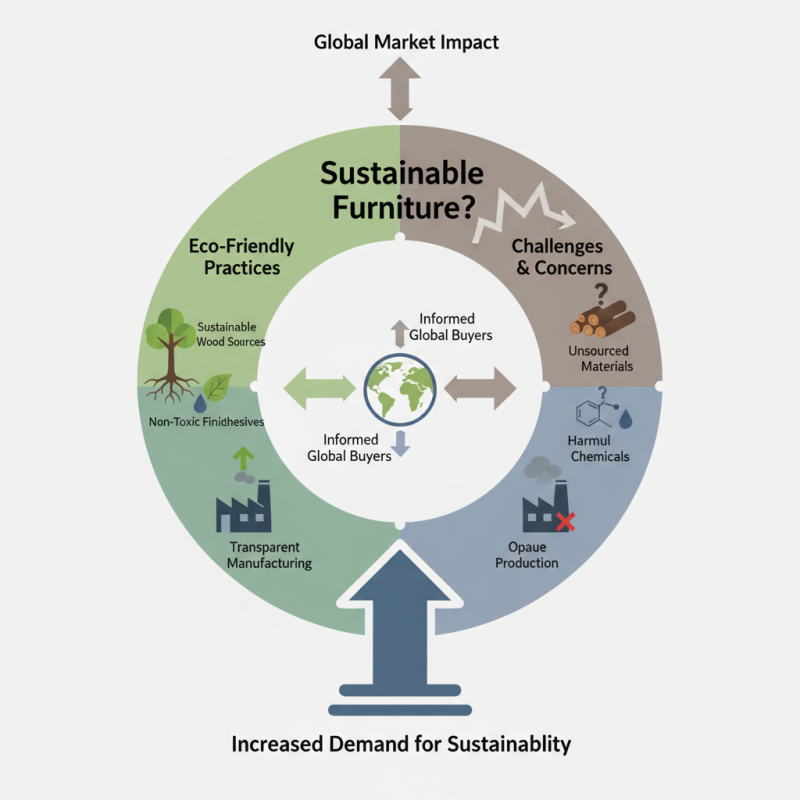
In recent years, global buyers have increasingly focused on sustainable products. Amid this trend, the question arises: Is Chinese furniture environmentally friendly? As one of the largest furniture manufacturers, China’s practices impact both local and global markets.

Chinese furniture often relies on various materials. Some manufacturers use sustainable wood sources, while others may not. This disparity creates uncertainty for environmentally conscious buyers. Furthermore, the finishes and adhesives used can contribute to environmental concerns. It raises critical questions about sustainability standards in production.

Consumers deserve clarity. Understanding the environmental footprint of Chinese furniture is essential for informed purchasing. While many brands are adopting eco-friendly practices, challenges remain. Transparency in sourcing and manufacturing could improve overall trust. Buyers must navigate this complex landscape carefully, weighing aesthetics and sustainability.
Is Chinese Furniture Environmentally Friendly for Global Buyers?

Understanding the Environmental Impact of Chinese Furniture Production

Chinese furniture production has significantly evolved over the years. Eco-conscious consumers are increasingly concerned about environmental practices. Many Chinese manufacturers are adopting sustainable methods, but the entire industry is not uniform.

The use of materials is crucial when assessing environmental impact. Solid wood pieces often come from responsibly managed forests. However, some manufacturers still rely on fast-growing species, which may not consider the ecosystem. Mechanical processes can release pollutants, affecting local water and air quality. It is essential to look for certifications that indicate adherence to environmental standards.

Recycling practices also vary widely across the industry. Some companies actively embrace circular economy principles, reusing materials and reducing waste. Others may yet lag behind in implementation. Transparency is key, and consumers often feel left in the dark. It’s vital for buyers to engage with brands about their practices. Research and informed choices can drive change in the industry.

Key Materials Used in Chinese Furniture and Their Sustainability

Chinese furniture often incorporates various materials that impact its sustainability. Wood is a primary resource, with many pieces crafted from hardwoods like teak and mahogany. These woods provide durability but can lead to deforestation if not sourced responsibly. It's essential for buyers to consider the environmental implications of these materials.

Metal and glass are also common in Chinese furniture design. While they are recyclable, their production can consume significant energy. Additionally, finishes and adhesives used in furniture can release volatile organic compounds (VOCs). A better understanding of these materials helps buyers make informed choices.

**Tips:** Look for certifications that ensure sustainable sourcing. Research the companies behind the furniture for transparency about their materials. Explore reclaimed wood options as a sustainable alternative. Keeping these factors in mind can guide you toward more eco-friendly purchasing decisions.

Regulations and Certifications for Eco-Friendly Furniture in China

When considering the environmental impact of Chinese furniture, regulations and certifications play a crucial role. The Chinese government has established guidelines to ensure that furniture production meets certain ecological standards. These regulations focus on reducing harmful emissions and promoting sustainable sourcing of materials. However, not all manufacturers comply, which raises questions about the reliability of these certifications.

Eco-friendly furniture in China can be certified under various programs. The China Environmental Label is one such example. This certification ensures that products are manufactured with minimal environmental impact. Unfortunately, some companies may exploit loopholes within these regulations. This creates confusion for global buyers seeking truly sustainable options.

Consumer awareness is vital. Buyers should research manufacturers and their certification claims. Transparent information about sourcing and production is not always provided. Additionally, many brands may not adhere to the same standards, making it challenging to determine which products are genuinely eco-friendly. Reflecting on these aspects can help buyers make informed choices while navigating the Chinese furniture market.

Comparative Analysis of Chinese and Global Furniture Sustainability Practices

Chinese furniture has gained global attention for its unique aesthetics and craftsmanship. However, the sustainability of these products raises questions for conscious consumers. Comparing Chinese practices with global standards reveals a complex picture.

In China, traditional materials like bamboo and solid wood are often sourced sustainably. But practices can vary. Some manufacturers still rely on less eco-friendly materials. In contrast, many European countries prioritize recycled materials and strict environmental regulations. Global buyers are becoming more discerning about what they purchase. They seek transparency and traceability in sourcing.

While some Chinese manufacturers are making strides toward sustainability, challenges remain. The rapid industrialization often leads to environmental degradation. Awareness is critical for consumers. Choosing sustainable furniture is not just about aesthetics; it’s an investment in our planet's future. Understanding these dynamics can help global buyers make informed choices.

Is Chinese Furniture Environmentally Friendly for Global Buyers? - Comparative Analysis of Chinese and Global Furniture Sustainability Practices

Criteria Chinese Furniture Global Furniture
Materials Used Plywood, MDF, Solid Wood Solid Wood, Recycled Materials
Sustainable Certifications FSC, ISO 14001 FSC, LEED Certified
Production Process Chemical-based Adhesives Water-based Adhesives
Emission Standards Varies by Region Strict Compliance
Durability Medium High
Recyclability Limited High
Customer Awareness Emerging Established

Consumer Options for Choosing Environmentally Friendly Chinese Furniture

When considering environmentally friendly furniture from China, consumers face various options. The choice of materials is crucial. Sustainable wood, bamboo, and reclaimed materials are popular. They reduce deforestation and waste. Look for certifications that indicate eco-friendliness. This ensures the furniture meets safety and sustainability standards.

Design is another aspect to consider. Many manufacturers emphasize traditional craftsmanship. This often results in durable pieces. However, some may still use harmful varnishes or glues. It’s important to ask about finishes and adhesives. Transparency from sellers can help buyers make informed choices.

Consumers should also explore production processes. Factories that prioritize sustainable practices may produce fewer emissions. But not every producer discloses their methods. Researching the company’s practices can reveal valuable insights. This is where buyer responsibility plays a role. Reflecting on the impact of one’s choices can lead to more sustainable living.

FAQS

: What should consumers look for regarding materials in furniture?

: Consumers should seek certifications that indicate responsible sourcing of materials. Solid wood from managed forests is preferable.

How does production affect the environment?

Mechanical processes can release pollutants, impacting air and water quality. This can harm local ecosystems and communities.

Are recycling practices consistent across the industry?

No, recycling practices vary. Some companies use circular economy principles while others do not prioritize waste reduction.

Why is transparency important in furniture production?

Transparency helps consumers understand environmental practices. Many buyers feel uninformed, leading to poor purchasing decisions.

What materials should consumers be cautious about?

Buyers should be wary of finishes and adhesives that release volatile organic compounds (VOCs). These can affect indoor air quality.

How does Chinese furniture sustainability compare globally?

While some Chinese brands use sustainable materials, others lag. Global standards often emphasize recycled materials and stricter regulations.

Can traditional materials be eco-friendly?

Yes, traditional materials like bamboo and solid wood can be sustainable. However, sourcing practices vary by manufacturer.

What role does consumer awareness play in sustainability?

Awareness empowers consumers to choose sustainable options. It can lead to meaningful changes in manufacturing practices.

Are reclaimed wood options a good choice?

Yes, reclaimed wood is a sustainable alternative. It reduces waste and can provide unique aesthetics for furniture.

What challenges does the furniture industry face?

The rapid industrialization in furniture production often leads to environmental degradation. Many practices require improvement to enhance sustainability.

Conclusion

The article titled "Is Chinese Furniture Environmentally Friendly for Global Buyers?" delves into the environmental impact of furniture production in China, examining key materials commonly used and their sustainability profiles. It highlights the necessity for understanding the ecological footprint associated with these materials, and discusses various regulations and certifications in China aimed at promoting eco-friendly furniture practices.

Moreover, the article conducts a comparative analysis of sustainability practices between Chinese and global furniture markets, providing valuable insights for consumers who are increasingly concerned about environmental issues. It emphasizes the importance of making informed choices and outlines options for consumers who are looking to buy environmentally friendly Chinese furniture, ultimately addressing the pivotal question: Is Chinese furniture environmentally friendly?

Oliver

Oliver

Oliver is a seasoned marketing professional with a wealth of expertise in driving brand awareness and engagement. With a deep understanding of our company's product offerings, he consistently delivers high-quality content that enriches our professional blog. His insights not only shed light on......