Why You Should Integrate Chinese Furniture Into Your Modern Home?

Time:2026-05-09 Author:Henry
0%

Integrating Chinese furniture into modern homes adds elegance and cultural depth. According to industry reports, the global furniture market reached over $500 billion in 2023. This growth indicates a rising interest in unique and cultural designs, including Chinese styles.

“As homeowners look to create personalized spaces, they increasingly seek the timeless beauty of Chinese furniture,” says Alex Zhang, a design consultant specializing in cultural decor. He emphasizes that understanding "how to integrate Chinese furniture into a modern home?" is essential for achieving a harmonious blend of styles.

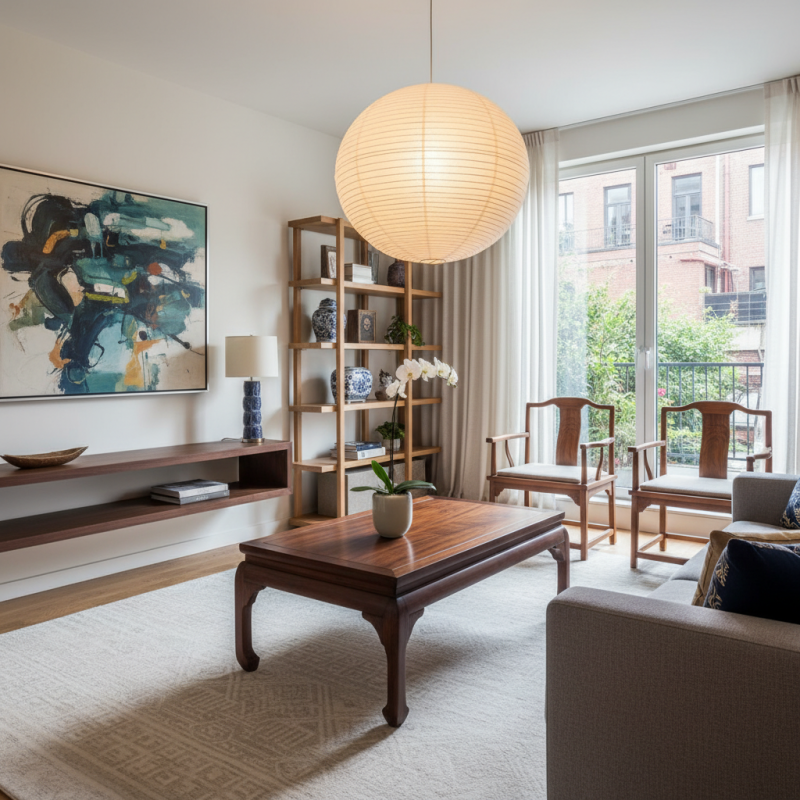
Chinese furniture often features rich wood grains and intricate craftsmanship. A well-placed Ming dynasty table can become a focal point, sparking conversation. However, improper integration may lead to clutter or visual discord. Careful consideration of scale and color balance is crucial when blending these pieces into contemporary settings. The challenge lies in ensuring that antiques don't overwhelm modern aesthetics. Striking this balance can create a home that tells a vibrant story while remaining functional.
Why You Should Integrate Chinese Furniture Into Your Modern Home?

The Cultural Significance of Chinese Furniture in Modern Design Trends

Chinese furniture carries deep cultural significance that resonates with modern design trends. Each piece tells a unique story, reflecting centuries of craftsmanship. Classic elements, like intricate carvings and symbolic motifs, bring an emblematic richness to contemporary spaces. Integrating these pieces can create a harmonious blend of the past and present.

Incorporating Chinese designs encourages mindfulness in home décor. The aesthetic principles behind Feng Shui emphasize balance and flow. This philosophy can influence the arrangement of furniture, creating spaces that feel both inviting and serene. However, achieving this balance is not always easy. It requires thoughtful consideration of color, shape, and placement.

Choosing Chinese furniture allows for personal expression. Each piece can spark conversations and connections. Yet, one must navigate the potential clash with modern minimalism. Finding the right harmony can be a challenge. It’s essential to reflect on how these elements coexist in your home, ensuring that they enhance rather than overwhelm your design vision.

Key Characteristics of Chinese Furniture: A Blend of Functionality and Aesthetics

Chinese furniture seamlessly blends functionality with aesthetics, making it a perfect addition to modern homes. Its design often reflects an appreciation for nature and simplicity. This harmony can elevate the overall ambiance of any living space.

One of the key characteristics of Chinese furniture is its craftsmanship. Artisans pay meticulous attention to details. Each curve and joint speaks of tradition. You may notice subtle imperfections that add character. These elements invite reflection on the balance between artistry and utility.

Tips: Incorporate a Chinese wooden bench in your hallway. Its simple design will complement your décor and provide extra seating. Consider a rustic tea table for your lounge area. It encourages gatherings and casual conversations. When choosing furniture, think about pieces that tell a story or evoke a feeling. Embrace the imperfections, as they can create unique focal points in your home.

Why You Should Integrate Chinese Furniture Into Your Modern Home?

Integrating Chinese furniture into your modern home not only enhances aesthetic appeal but also provides durability, functionality, cultural significance, and versatility. This chart illustrates the key characteristics that make Chinese furniture a valuable addition to contemporary interiors.

Market Insights: Growth of Chinese Furniture in Global Interior Design

Chinese furniture is gaining significant traction in the global interior design market. Reports show that the market for Chinese furniture is expected to grow at a compound annual growth rate (CAGR) of 8.5% from 2021 to 2028. This growth reflects a strong appreciation for the craftsmanship and cultural depth Chinese designs bring to modern homes.

One of the reasons behind this trend is the unique blend of traditional elements with contemporary styles. Chinese furniture often features intricate woodwork, bold colors, and distinctive finishes. These characteristics can create a striking focal point in any room. A recent survey indicated that 72% of interior designers believe integrating diverse cultural designs enriches residential spaces. Therefore, homeowners are increasingly seeking out these pieces to reflect their individuality.

While embracing Chinese furniture, consider the balance in your design approach. Not all styles will seamlessly fit with every decor. Quality and authenticity can vary, necessitating careful selection. Choosing the right pieces requires a discerning eye. Potential buyers might face confusion over materials and styles. This challenge offers an opportunity for education and reflection on what truly resonates with personal aesthetics.

Sustainable Practices: The Eco-Friendly Nature of Traditional Chinese Crafting

Traditional Chinese furniture embodies sustainable practices rooted in eco-friendly crafting. This furniture is often made from renewable resources, such as solid wood. According to a 2021 report by the World Wildlife Fund, sustainable forestry can maintain biodiversity and reduce carbon footprints in the furniture industry. Each piece of Chinese furniture celebrates age-old craftsmanship, which emphasizes durability over disposability.

Traditional methods prioritize natural finishes and non-toxic materials. A study conducted by the American Society of Interior Designers reveals that consumers increasingly prefer furniture that is both beautiful and environmentally responsible. Often, these products are free from harmful chemicals, reducing exposure for families. However, sourcing high-quality, sustainable materials can be challenging, requiring careful research.

While integrating Chinese furniture into modern homes can enhance aesthetic appeal, it raises questions of sustainability in sourcing. Not all manufacturers adhere to eco-friendly practices. Therefore, it's crucial to verify the origins of the materials used. Supporting artisans who practice responsible craftsmanship can contribute to environmental health and cultural preservation. Balancing style with sustainability is vital for today's conscious consumer.

Integrating Chinese Elements: Tips for Harmonizing with Contemporary Decor

Integrating Chinese elements into modern decor creates a unique, harmonious environment. Chinese furniture is often rich in history and craftsmanship. Its intricate details can serve as conversation starters. A well-placed Ming Dynasty chair might transform a minimalist living room into a profound space.

When incorporating these pieces, aim for balance. Too many ornate elements can clash with contemporary styles. Select key items that resonate with your aesthetic. A simple wooden table can blend beautifully with sleek metal accents. Experiment with different textures to enhance visual appeal.

Consider color schemes as well. Traditional Chinese colors, like jade green or deep red, can highlight neutral backgrounds. Use accessories such as silk cushions or calligraphy art to subtly introduce cultural motifs. Reflecting on these choices can lead to a more cohesive design. Each element should tell a story, inviting contemplation and appreciation.

FAQS

: What are the key characteristics of Chinese furniture?

: Chinese furniture combines functionality with aesthetics. It often shows a respect for nature and simplicity in design.

How does craftsmanship influence Chinese furniture design?

Craftsmanship is vital. Artisans focus on details. Subtle imperfections add character and invite reflection.

Why is Chinese furniture gaining popularity in global markets?

The market is growing due to traditional elements merging with modern styles. Unique designs catch the eye of homeowners.

What role do traditional features play in contemporary Chinese furniture?

Traditional woodwork and bold colors create striking focal points. These elements enrich residential spaces with cultural depth.

How important is sustainability in traditional Chinese furniture?

Sustainability is key. Furniture often uses renewable resources and non-toxic materials, promoting environmental responsibility.

What challenges might buyers face when selecting Chinese furniture?

There can be confusion over materials and styles. Careful selection is necessary to find quality and authenticity.

How can homeowners balance style with sustainability in their choices?

Consider the origins of materials and support responsible artisans. This approach supports environmental health and cultural preservation.

Are there specific tips for incorporating Chinese furniture in modern homes?

Look for pieces that tell a story. Embrace imperfections; they can create unique focal points in your space.

How can homeowners reflect their individuality with furniture?

Seek unique pieces that resonate with your personal aesthetics. A discerning eye can reveal hidden beauty in designs.

What should consumers be aware of regarding harmful materials?

Not all Chinese furniture is eco-friendly. Verify materials to ensure they are free from harmful chemicals for family safety.

Conclusion

Integrating Chinese furniture into a modern home can enhance both aesthetic appeal and cultural depth. The significance of Chinese furniture lies in its blend of functionality and aesthetics, offering unique design elements that complement contemporary spaces. Notably, the market for Chinese furniture is experiencing growth, reflecting a rising appreciation for its craftsmanship and sustainable practices. Traditional Chinese crafting methods prioritize eco-friendliness, aligning with modern desires for sustainable living.

To successfully incorporate these elements into your décor, focus on harmonizing the clean lines of modern design with the intricate details characteristic of Chinese pieces. Consider juxtaposing bold, minimalist furniture with delicately carved wooden items, or using Chinese motifs to add character to a modern backdrop. Ultimately, understanding how to integrate Chinese furniture into a modern home not only elevates interior design but also celebrates cultural heritage.

Henry

Henry

Henry is a dedicated marketing professional with a profound expertise in the company's offerings. With years of experience in the industry, he possesses an impressive understanding of the market dynamics and consumer behaviors that drive success. Henry is committed to sharing his insights through......