When exploring how to spot high-quality craftsmanship in Chinese chairs, several key factors come into play. Chinese chair craftsmanship reflects centuries of tradition and skilled artistry. Every detail matters, from the wood selection to joinery techniques. Not all chairs showcase the same level of care and skill.
Look for the intricacies in the design. High-quality chairs often feature delicate carvings that tell a story. The finish should feel smooth and rich, highlighting the wood's natural beauty. In contrast, lower-quality pieces may seem rough or uneven. Additionally, check the sturdiness of the frame. A well-crafted chair will feel solid and balanced.
Another aspect to consider is the history behind the craftsmanship. Authentic pieces may carry indications of their origin. Seek knowledge from reputable sources or artisans. Engaging with experts can enhance your eye for detail. Ultimately, understanding how to spot high-quality craftsmanship in Chinese chairs elevates your appreciation for this unique art form.
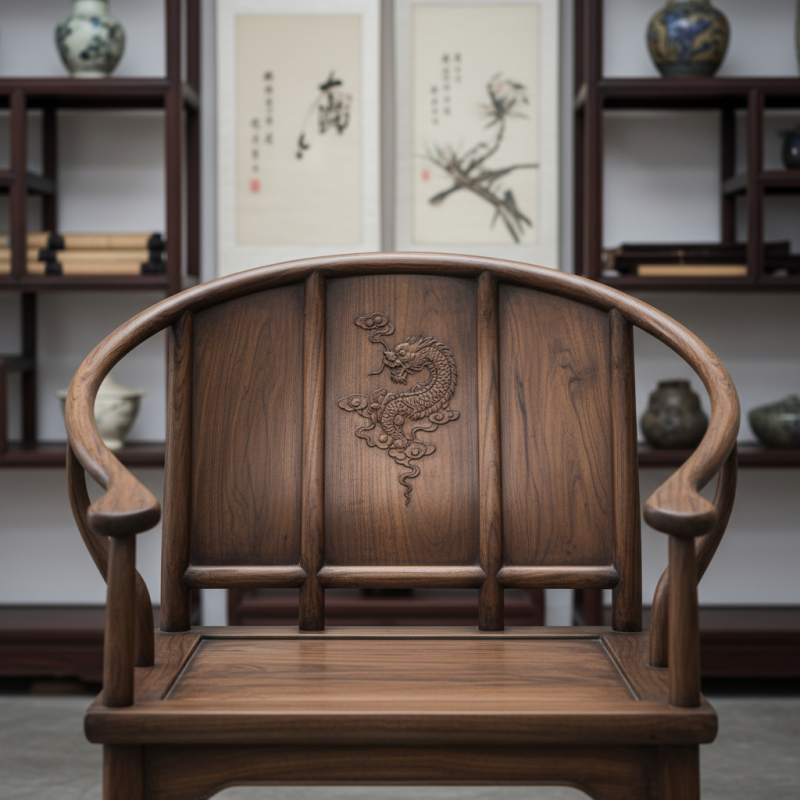
Understanding the Importance of Material Selection in Chair Craftsmanship
Material selection is a cornerstone of high-quality chair craftsmanship. The type of wood used can dramatically influence the chair's durability and aesthetic appeal. For instance, hardwoods like oak and walnut are often preferred for their strength and resilience. According to a report by the Furniture Manufacturers Association, chairs made from solid wood can last up to 20 years longer than their particleboard counterparts. This longevity directly correlates to the quality and integrity of the material used in the construction.
Moreover, the finish applied to the wood contributes significantly to the overall quality. Natural oils and high-quality lacquers provide both protection and beauty. Research indicates that finishes made from natural materials not only enhance the visual appeal but also allow the wood to breathe, reducing the risk of warping over time. In contrast, synthetic finishes may offer immediate shine but can trap moisture, leading to potential damage.
Yet, it’s critical to acknowledge that not all materials are sourced ethically. Some woods may contribute to deforestation or exploitative labor practices. Examining the origin of materials and certification can reveal much about the craftsmanship behind any chair. Understanding these nuances in material selection reflects a recognition of the art and responsibility involved in creating high-quality furniture. The balance between beauty, functionality, and ethical sourcing remains a challenging quest for manufacturers and consumers alike.
Key Features of High-Quality Joinery Techniques in Chinese Chairs
When evaluating high-quality Chinese chair craftsmanship, the
joinery techniques play a crucial role.
Dovetails,
mortise and tenon joints,
and lap joints
are commonly employed in these traditional chairs. These techniques enhance both
durability and aesthetics. A well-executed tenon joint can withstand significant
stress, ensuring longevity. It's important to inspect how these joints are made.
Gaps or uneven cuts may indicate a lack of expertise.
Moreover, the choice of wood significantly impacts the
chair's quality. High-quality Chinese chairs often utilize hardwoods like
rosewood or teak.
These woods are not just visually appealing; they also have a rich history and
stability. However, less experienced craftsmen might choose softer woods,
compromising the chair’s integrity. The grain patterns should be consistent and
well-aligned, reflecting careful selection and craftsmanship.
The finishing touches demonstrate the maker's skill. Look for smooth surfaces
and a glossy finish without clumping. While a flawless finish is desirable, small
imperfections can reveal a piece's authenticity. A chair that feels hand-crafted
holds its story, but excessive irregularities may hint at a rushed production.
Every detail matters in identifying true craftsmanship.
Evaluating the Finishing Process: Varnishes, Stains, and Paints
When evaluating Chinese chair craftsmanship, the finishing process is crucial.
Varnishes, stains, and paints all play a significant role. High-quality finishes enhance the wood's natural beauty.
They also protect against wear and damage. Look for even application and depth of color.
The sheen can reveal the skill of the craftsman. A subtle sheen often indicates quality work.
Observe the varnish closely. Is it glossy or matte?
Glossy finishes might hide imperfections. A matte finish could showcase the wood grain better.
Some stains enhance the wood's warmth. Others might mask the natural variations in color.
The choice of stain reflects the craftsman's vision. Paints can add personality but can also hide flaws.
Consider the entire application method. Hand-applied finishes may have more character than machine-applied ones.
Look for brush strokes; they tell a story. Imperfections provide insights into the craftsmanship.
An uneven edge might suggest authenticity. Each flaw can contribute to the charm of the piece.
Understanding these details enriches your appreciation for high-quality work.
Recognizing the Influence of Traditional Art Forms on Modern Designs
Traditional Chinese craftsmanship offers a unique blend of history and artistry. Many modern designs draw inspiration from ancient techniques. These techniques often highlight the beauty and functionality of furniture. You can see this in intricate carvings and the use of natural materials. Such elements add depth and character to contemporary pieces.
Tips: Look for furniture that showcases detailed joinery. This indicates skilled craftsmanship. Additionally, pay attention to the wood grain. A good quality piece will have a uniform texture and richness in color.
The influence of traditional art forms is evident in modern Chinese chairs. Designs may feature elegant curves or bold lines, reminiscent of past eras. This fusion creates pieces that are both elegant and practical. However, not all modern designs achieve this balance. Some may lack the authenticity and craftsmanship of their traditional counterparts.
Tips: When assessing a chair, inspect the finish. A natural, hand-applied finish shows attention to detail. Evaluate the overall stability as well; it should feel solid and well-constructed.
Identifying High Quality Chinese Chair Craftsmanship
Assessing Structural Integrity: Load-Bearing Capacity and Stability Standards
When assessing high-quality Chinese chair craftsmanship, structural integrity is crucial. Start by checking the load-bearing capacity. High-quality chairs should comfortably support weight without creaking or wobbling. Conduct a simple test: apply pressure to the seat while seated. Does it hold firm? If it flexes too much, it may indicate poor construction.
Stability standards matter greatly in chair design. Look for a balanced structure where legs are evenly spaced. Uneven legs can lead to tipping, posing safety risks. Observe the joinery techniques. Traditional joinery methods, like mortise and tenon, often denote craftsmanship integrity. If you see screws or metal fasteners, question the durability. These might compromise the chair’s longevity and aesthetic appeal.
Finally, consider the materials used. Solid woods provide strength and resilience, while particleboard may fall short. Check for any signs of warping or inconsistencies in texture. An imperfect finish can signify rushed manufacturing. Look for the details. A well-crafted chair should feel substantial and sturdy, ensuring it can withstand daily use over time.
FAQS
: Hardwoods like oak and walnut are preferred for their strength and longevity.
Natural oils enhance beauty and allow wood to breathe, reducing warping.
They can trap moisture, potentially damaging the wood over time.
It addresses concerns about deforestation and exploitative labor practices.
Dovetails and mortise and tenon joints enhance durability and aesthetic appeal.
Apply pressure to the seat while seated. If it flexes, construction may be poor.
Legs should be evenly spaced; uneven legs can cause tipping, which is unsafe.
High-quality woods like rosewood provide stability, while softer woods may compromise integrity.
A flawless finish is desirable, but small imperfections can indicate authenticity.
Gaps in joints or uneven cuts may indicate a lack of expertise and rushed production.
Conclusion
When exploring how to spot high-quality craftsmanship in Chinese chairs, it is essential to understand the significance of material selection. Premium woods such as hardwoods are commonly used, providing durability and aesthetics. Additionally, examining joinery techniques is crucial; high-quality chairs often feature traditional methods like mortise and tenon joints, which enhance stability and longevity.
The finishing process also plays a vital role, with careful application of varnishes, stains, and paints that not only protect but also enhance the wood's natural beauty. Moreover, one should recognize how traditional art forms influence modern designs, adding cultural value and uniqueness. Finally, assessing structural integrity by checking load-bearing capacity and stability standards ensures that the chair is not only beautiful but also functional for daily use. Understanding these factors will guide anyone looking to appreciate and invest in high-quality Chinese chair craftsmanship.

 ELDI Home