Identifying the difference between hand-carved and machine-carved Chinese furniture is crucial for collectors and enthusiasts. Renowned furniture expert Dr. Li Wei emphasizes, “Understanding the craftsmanship behind each piece is essential to appreciate its true value.” This introduces the importance of discernment in the world of Chinese furniture.
When considering how to distinguish hand-carved vs machine-carved Chinese furniture, several factors come into play. Hand-carved pieces display unique imperfections and intricate details that reflect the artisan’s skill. In contrast, machine-carved items tend to have uniformity and are often less personal in design. The texture, patina, and even the smell of the wood can provide insights into the manufacturing process.
Yet, recognition can be challenging. Some machine-carved items are crafted to mimic hand-carved aesthetics convincingly. It requires a keen eye and experience to make the right distinction. As buyers, we must reflect on our choices and the implications of authenticity in the market. Every piece tells a story, waiting to be understood through careful examination and appreciation.
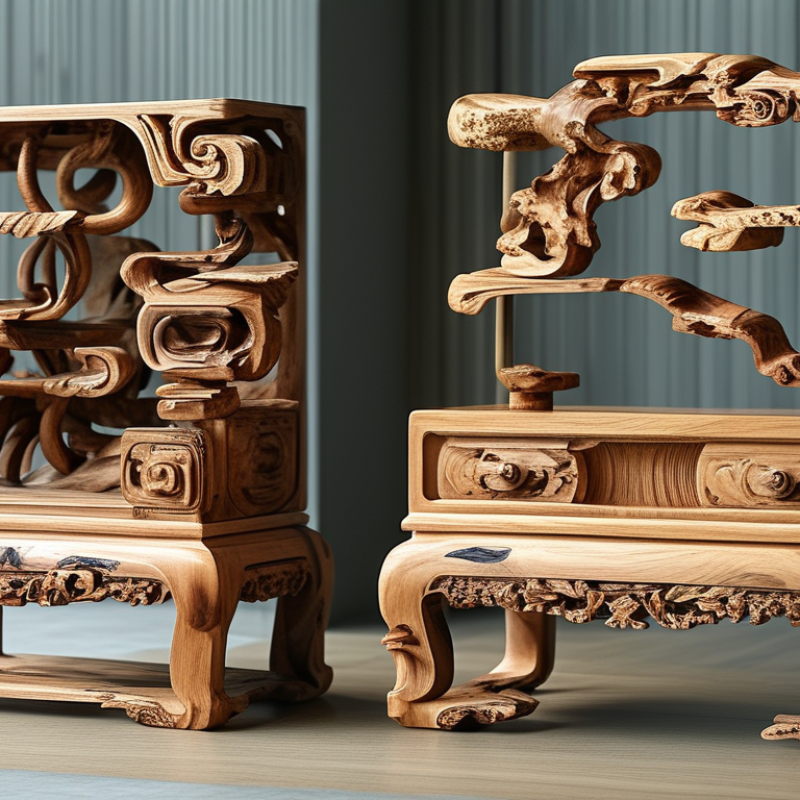
Understanding the Basics of Chinese Furniture Carving Techniques
When exploring Chinese furniture carving techniques, it's essential to recognize the difference between hand-carved and machine-carved pieces. Hand-carving involves traditional methods that artisans have passed down for generations. Each piece reflects the creator's unique touch, resulting in variations and imperfections that add character. On the other hand, machine carving offers precision and uniformity, producing identical items faster and at a lower cost. However, these lack the individual artistry that marks handcrafted furniture.
According to industry reports, handcrafted furniture can retain between 20% to 30% of its value over time. In contrast, machine-carved items may depreciate significantly, sometimes losing up to 50% of their value. Authentic hand-carved pieces often showcase intricate designs like dragons or clouds, symbolizing good luck and prosperity in Chinese culture. In machine-carved furniture, such details may appear less refined, lacking depth and emotional connection.
Tips:
When shopping, examine the edges. Hand-carved pieces often show tool marks and slight irregularities. These signs of craftsmanship tell a story. Also, consider the weight and feel of the furniture. Hand-carved items are generally heavier due to the solid wood used, revealing their quality and durability. Trust your instincts; if something feels off, it may not be authentic. Remember, true craftsmanship blends skill with art.
Distinguishing Hand-Carved Features in Chinese Furniture
When distinguishing between hand-carved and machine-carved Chinese furniture, detail is crucial. Hand-carved pieces often display unique characteristics that highlight artisan skill. Look for irregularities, which add to the charm. These imperfections signify the human touch. For instance, hand-carved joints may have slight variations in depth and shape. Machine-carved furniture often appears more uniform, lacking these nuanced details.
The wood grain can reveal more clues. Hand-carved furniture respects the natural flow of the wood. Artists take time to follow the grain, enhancing the piece's aesthetic. In contrast, machine-carving tends to disregard the grain, leading to unnatural patterns. According to the Furniture Manufacturers Association, about 70% of consumers prefer the authenticity of hand-carved options. This preference not only represents a desire for uniqueness but also reflects a growing appreciation for craftsmanship.
Depth of carving is another factor. Hand-carved pieces may feature intricate designs that seem to emerge from the wood. The layering might catch light in different ways, adding a dynamic quality. On the other hand, machine-carved designs often lack this complexity. They can appear flat, reducing the piece's overall impact. By understanding these details, you can make informed choices when purchasing Chinese furniture.
Identifying Machine-Carved Characteristics in Furniture
When identifying machine-carved furniture, several key characteristics can help differentiate it from hand-carved pieces. Machine-carved items often display uniformity in patterns and dimensions. Each curve, line, and detail appears remarkably similar across multiple pieces. This consistency is a clear indication of machine production, where precision is prioritized over the unique traits of hand craftsmanship.
The surface finish of machine-carved furniture tends to be smooth and flawless. This is achieved through automated sanding and polishing processes. You might notice a perfect sheen, often lacking the subtle variations found in hand-carved items. These imperfections in hand-carved furniture add character and a sense of authenticity that machinery cannot replicate.
Another sign of machine-carved furniture is the absence of tool marks. In hand-carved pieces, slight imperfections remain as evidence of the artisan's touch. These small details can include minor scratches or uneven textures. Ask questions about the creation process to gain insights into the craftsmanship. Understanding these subtle differences can enrich your knowledge of Chinese furniture, leading to more informed purchasing decisions.
Common Materials Used in Hand-Carved vs Machine-Carved Furniture
When distinguishing between hand-carved and machine-carved Chinese furniture, the materials used play a vital role. Hand-carved pieces often utilize high-quality hardwoods, like mahogany, rosewood, and teak. These woods are favored for their durability and intricate grain patterns. According to a report by the International Wood Products Association, craftsmanship in hand-carved furniture increases the value of these materials, enhancing both aesthetics and longevity.
In contrast, machine-carved furniture typically employs softer woods or engineered wood products, such as particleboard or MDF. These materials are less costly and readily available, allowing for mass production. However, they lack the same charm and durability as solid wood. The furniture industry reports that machine-carved pieces may deteriorate more quickly, particularly in humid conditions, as they often rely on glue for structural integrity.
It's essential to note that while machine-carved furniture serves a functional purpose, it may not hold the same emotional value as hand-carved items. Many consumers report a deeper connection to handcrafted pieces, noting the unique characteristics and imperfections that tell their story. This connection often justifies the higher price tag associated with quality hand-carved furniture.
Assessing the Quality and Value of Carved Chinese Furniture
When assessing carved Chinese furniture, the quality and craftsmanship play a crucial role. Hand-carved pieces exhibit unique details that reflect the artisan's skill and individuality. According to industry reports, hand-carving can increase a piece's value by up to 50% compared to machine-carved alternatives. Each stroke of the chisel tells a story, adding depth to the piece.
Machine-carved furniture often lacks this personal touch. While it may be more affordable, it generally does not hold the same value over time. A study from the Fine Arts Society noted that buyers are increasingly prioritizing authenticity and craftsmanship. Their findings suggest that serious collectors are willing to pay a premium for well-crafted hand-carved items, often overlooking perfectly polished machine-made models.
When evaluating Chinese furniture, look closely for subtle imperfections. These flaws are markers of the hand-carving process. They can indicate authenticity while also sparking conversation about the artisan’s journey. The nuances of each piece often make them more appealing, urging buyers to look beyond standardization in design.
FAQS
: Hand-carved furniture shows unique artistry and imperfections. Machine-carved pieces are uniform and lack individual character.
Handcrafted items retain 20% to 30% of their value, while machine carvings can lose up to 50%.
Look for tool marks, irregularities, and variations in depth or shape. These indicate genuine craftsmanship.
High-quality hardwoods like mahogany, rosewood, and teak are typical for their durability and beauty.
Softer woods or engineered products like particleboard are commonly used, which can decrease longevity.
Yes, many prefer handcrafted furniture for its unique traits and stories, feeling a deeper connection to these pieces.
Yes, if something feels off or too perfect, it may not be authentic handcrafted furniture.
Hand-carved depth adds dynamics and light play, while machine-carved pieces may appear flat and less impactful.
Hand-carved furniture respects the wood grain, enhancing aesthetics, unlike machine carving that may create unnatural patterns.
Yes, machine-carved pieces may degrade faster, especially in humid conditions, lacking the emotional value of hand-crafted items.
Conclusion
In examining "How to distinguish hand-carved vs machine-carved Chinese furniture?", it's crucial to first understand the fundamental techniques behind Chinese furniture carving. Hand-carved pieces typically exhibit unique, intricate details that reflect the artisan's painstaking work, while machine-carved furniture often lacks this personal touch, showcasing uniformity and precision.
To identify these differences, one can look for specific features: hand-carved items usually have slight imperfections and varied depths in the carvings, whereas machine-carved examples tend to have a more consistent and polished finish. Additionally, the materials used can vary; hand-carved furniture often utilizes higher-quality woods that age gracefully, while machine-carved pieces may use more economical materials. Ultimately, assessing the quality and value of these furniture types requires a keen eye for the craftsmanship involved.

 ELDI Home