How to Identify Authentic Rosewood Furniture from China?

Time:2026-07-14 Author:Mason
0%

When considering the purchase of rosewood furniture, it's crucial to understand its authenticity. Rosewood, particularly from China, is renowned for its beauty and quality. However, the market is flooded with imitations. Experts like Dr. Li Wei, a prominent furniture historian, emphasize, "Understanding the nuances of rosewood is vital for discerning real from fake."

Navigating the world of authentic rosewood Chinese furniture can be challenging. Many pieces exhibit stunning craftsmanship but may not use genuine materials. It’s essential to observe various features closely: color, grain patterns, and weight. Authentic rosewood often has a rich, deep hue with unique grain designs that are difficult to replicate.

Additionally, examining the joints and construction techniques reveals much about a piece's authenticity. Look for traditional joinery methods; they indicate quality. Yet, even seasoned collectors can occasionally be misled. Reflecting on this complexity, one must remember that every piece tells a story, a mix of artistry and authenticity. So, how to identify authentic rosewood Chinese furniture? It requires careful observation, research, and a bit of intuition.
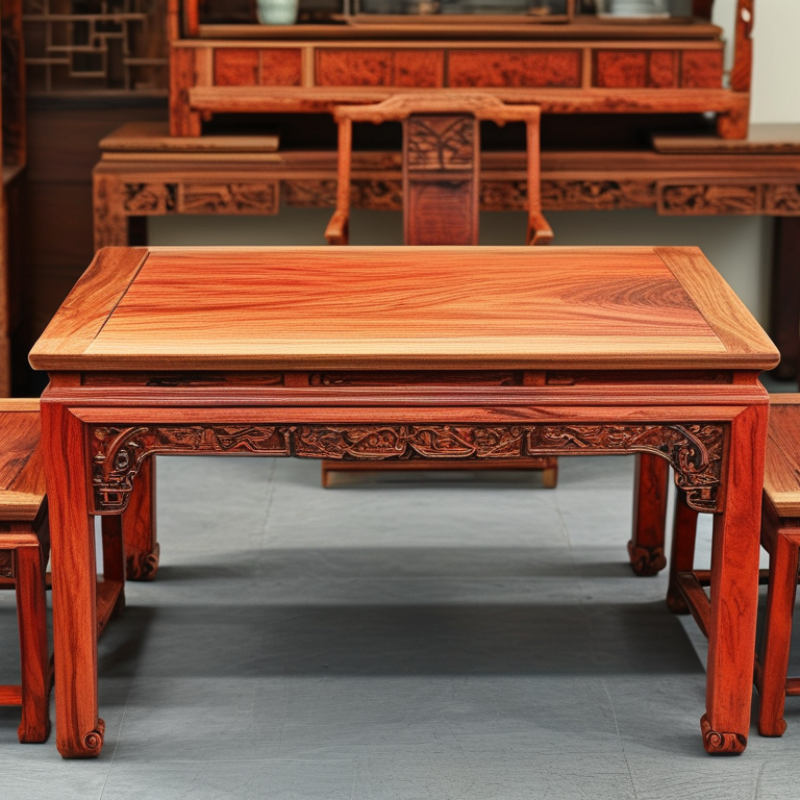
How to Identify Authentic Rosewood Furniture from China?

Understanding the Different Types of Rosewood Used in Furniture

When it comes to rosewood furniture, various types play a significant role in determining authenticity and quality. Different species of rosewood have unique characteristics that affect their desirability. For instance, Brazilian rosewood is known for its rich color and fine grain, while Indian rosewood offers durability and a distinctive aroma. The International Wood Products Association reports that quality rosewood can appreciate significantly over the years. This data emphasizes the importance of understanding the types of rosewood to make informed purchasing decisions.

Tips: Look closely at the wood's grain. Authentic rosewood typically exhibits a wavy or interlocking grain pattern. Additionally, the rich color and smooth finish can be a good indicator of quality.

The rise of synthetic materials in furniture manufacturing poses a challenge for buyers. Some manufacturers may use cheaper, lesser woods to mimic the look of rosewood. Understanding the differences is crucial. Authorized wood certification bodies, like the Forest Stewardship Council (FSC), provide valuable resources for verifying the source of the wood. This background could protect your investment against counterfeit products.

Tips: Always request proof of certification when purchasing rosewood furniture. This step can significantly enhance your confidence in the piece's authenticity.

Key Characteristics of Authentic Rosewood Furniture

When identifying authentic rosewood furniture from China, certain key characteristics can help. Real rosewood, known for its deep hues and intricate grain patterns, varies in color from rich brown to purplish tones. Each piece showcases unique swirls that add to its beauty. According to industry reports, genuine rosewood has a high oil content, which contributes to a smooth, lustrous finish. This combined with a heavy weight indicates quality and durability.

Tips: Always check for a dense feel when assessing rosewood. If it’s too light, it might be a counterfeit.

Authentic rosewood furniture often develops a rich patina over time. This aging process is part of its charm; however, fakes may not exhibit this natural progression. Inspect joints and structure as well. Well-crafted rosewood furniture features strong, solid joints, often hand-fitted, not merely glued.

Tips: Examining the underside of furniture can reveal the craftsmanship quality. If it feels rough or inconsistent, consider your purchase carefully.

How to Examine the Craftsmanship of Rosewood Furniture

When examining the craftsmanship of rosewood furniture, focus on the details. Authentic rosewood is dense and heavy. The grain patterns should be intricate and varied, showcasing a unique beauty. According to a 2023 report by the International Wood Products Association, genuine rosewood has a Janka hardness rating of around 2,500 lbf. This makes it an excellent choice for durable furniture.

Check the joints and construction methods. Traditional techniques often involve dovetail joints or mortise and tenon, which enhance strength. Furniture made using these techniques usually reflects skilled craftsmanship. Look for irregularities that indicate handwork, such as slightly uneven edges or varied finishes. While perfection can be attractive, it often masks machine-produced items.

Consider the finish as well. Authentic pieces typically have a natural oil finish that highlights the wood grain. Synthetic finishes can make the wood look overly shiny and may wear off quickly. If the piece feels too smooth, it might be a sign of a less genuine product. Collecting rosewood furniture always requires a discerning eye and an appreciation for the beauty of imperfection.

Common Signs of Imitation Rosewood Furniture

Identifying authentic rosewood furniture requires keen observation. Imitation pieces often use cheaper materials and glossy finishes that lack depth. Real rosewood has a silky, rich texture that feels warm to the touch. A study by furniture experts indicates that around 70% of consumers cannot differentiate between authentic and imitation versions. This highlights the need for careful inspection.

When examining furniture, look for inconsistencies in grain patterns. Authentic rosewood provides striking color variations. Imitations use printed designs that appear uniform. Moreover, genuine rosewood carries a subtle fragrance, while synthetic materials lack this quality. The weight of the piece is also a critical factor. Real rosewood is dense and heavy compared to its fake counterparts, which feel light and flimsy.

Another common sign of imitation furniture is the presence of MDF or particleboard in the construction. Authentic pieces are made from solid wood. A report from the Wood Furniture Manufacturers Association states that over 60% of imitation furniture fails to meet quality standards. This raises questions about durability and investment value. Knowing these signs can save buyers from poor purchasing decisions.

Tips for Verifying the Authenticity of Rosewood Furniture in China

When searching for authentic rosewood furniture in China, keen observation is essential. Authentic rosewood has a distinct color and grain pattern that is hard to replicate. It often displays rich hues, ranging from deep reddish-brown to golden brown. Check for irregularities in the grain. These natural variations are signs of genuine craftsmanship.


Another aspect to consider is the weight of the furniture. Authentic rosewood is dense and heavy. If a piece feels surprisingly light, it could be a sign of inferior materials. Pay attention to the craftsmanship details. Well-made furniture will have smooth edges and joints that are tight without visible glue.


Visit multiple suppliers to compare pieces. This comparison might reveal inconsistencies. Trust your instincts and don't hesitate to walk away from questionable items. It’s important to ask questions. Knowledgeable sellers should provide information about the wood’s origin. Take your time, as quality furniture is an investment.

FAQS

: How can I identify authentic rosewood furniture?

: Look for rich colors, intricate grain patterns, and a dense feel. Genuine pieces weigh more than fakes.

What unique features should real rosewood have?

Real rosewood has natural swirls and develops a rich patina over time. Fakes usually lack this aging.

How can I assess the craftsmanship of rosewood furniture?

Inspect joint construction and details. Authentic pieces often use traditional methods like dovetail joints for strength.

What is the significance of weight in rosewood furniture?

Genuine rosewood furniture is heavy due to its density. If a piece feels light, it may be a counterfeit.

What should I check for in the finish of rosewood furniture?

Authentic finishes are natural oils that highlight the wood grain. Synthetic finishes appear too glossy and may degrade.

How can I tell imitation rosewood from authentic?

Imitations often have uniform grain patterns, cheap materials, and lack the warm feel of real wood.

Why is it important to inspect the underside of furniture?

The underside can reveal craftsmanship quality. Rough or inconsistent surfaces might indicate a lack of genuine handcrafting.

What role does the fragrance play in identifying rosewood?

Real rosewood has a subtle fragrance; synthetic materials do not. This can be a useful distinguishing factor.

How can I assess the durability of rosewood furniture?

Check for solid wood construction. Many imitations use lower-quality materials that don't stand the test of time.

Are there signs of poor craftsmanship to look for?

Look for imperfect edges or varied finishes. While perfection is appealing, it may hide machine-made items.

Conclusion

When considering how to identify authentic rosewood Chinese furniture, it is essential to understand the various types of rosewood used in crafting these pieces. Authentic rosewood exhibits distinct characteristics, such as rich color, unique grain patterns, and a robust feel, distinguishing it from imitations. A careful examination of the craftsmanship—looking for joint techniques and finish quality—further aids in recognizing genuine items.

Additionally, there are common signs of imitation rosewood furniture, including synthetic materials and poor workmanship. To verify authenticity, potential buyers should seek certifications, ask about sourcing, and, if possible, consult experts in Chinese furniture. By following these guidelines, one can confidently determine the authenticity of rosewood furniture and make informed purchasing decisions.

Mason

Mason

Mason is a seasoned marketing professional with a deep expertise in the company's offerings and a passion for driving brand awareness. With a strong background in digital marketing strategies, he has an innate ability to connect with diverse audiences and effectively communicate product benefits.......