Buying environmentally friendly Chinese furniture starts with better questions, not a country-of-origin label. Is Chinese furniture environmentally friendly? It can be, but the answer depends on the materials, manufacturing practices, finishes, and product lifespan. Chinese makers range from small workshops to large exporters, so environmental performance varies. A beautiful cabinet alone tells you very little.
Look closely at the wood. Ask whether it is reclaimed, rapidly renewable, or responsibly sourced, and request current documentation where available. Certifications can help, but check that the certificate applies to the specific product or supply chain. Ask about particleboard and adhesives, too. Low-emission claims should be supported by clear test information, not just a green logo. The smell of a new finish may raise questions, but smell alone cannot measure emissions.
Then consider how the piece is made and shipped. Durable joinery, replaceable hardware, and repairable surfaces can matter more over time than a small packaging change. Ask the seller about factory oversight, waste handling, and the finish used. Get answers in writing. A polished label is not proof.
Shipping distance is worth weighing, though it is only one part of a product’s overall footprint. A locally made item is not automatically more sustainable if it uses poorly documented materials or wears out quickly. Compare specific products, not broad claims about countries. Some details may remain difficult to verify, especially when suppliers change. That uncertainty deserves attention. A careful purchase balances credible evidence, everyday usefulness, and a realistic plan to keep the furniture in service for years.
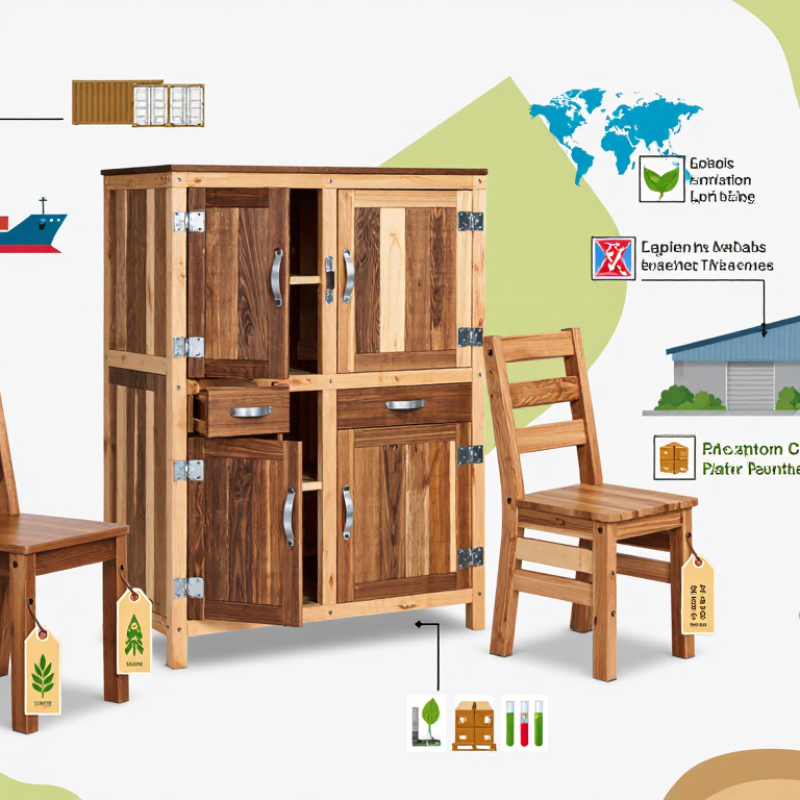
Environmentally friendly Chinese furniture is not defined by style or origin alone. It depends on the materials, workshop practices, and useful life of each piece. Look for clear information about wood species and sourcing, including whether timber is reclaimed or responsibly managed. Bamboo and plantation-grown wood can reduce pressure on forests, but only when harvesting and processing are well controlled. Ask what binds the panels together. Low-emission adhesives and finishes matter, especially for a bed or cabinet used indoors. Request current test results or recognized environmental documentation instead of relying on a vague “green” label. Details matter.
Construction also tells a story. Check joints, drawer runners, and the underside of a table; repairable joinery can help furniture stay in use longer. A thin veneer is not automatically a problem, and solid wood is not automatically sustainable. The full picture includes waste, transport, packaging, and how easily parts can be replaced. Small details count. A seller should be able to explain these choices in plain language. Incomplete answers do not prove a piece is harmful, but they are a reason to pause and compare. No piece is impact-free, and supply chains can be difficult to see. That uncertainty deserves honest questions.
When shopping for Chinese furniture, start with the material, not the product description. Ask whether solid wood comes from a responsibly managed source, and check for a valid FSC or PEFC certificate. A logo alone is not enough. Match its certificate number to the supplier and confirm that the certificate covers the material or product you are buying.
Look closely at the construction. Reclaimed timber can reduce demand for newly harvested wood, while bamboo grows quickly; neither choice is automatically sustainable. Adhesives, coatings, and mixed materials matter too. Request details about recycled content and emissions, and look for credible low-emission testing, such as GREENGUARD certification where applicable. Check the certificate’s scope and date, since a factory certificate may not cover every item it makes.
Ask for written documentation. Then compare it with the furniture’s label and invoice. It can also help to inspect an unfinished edge: veneer layers, particleboard, and solid wood look different. Details matter. I would not treat a smooth finish or a “natural” label as proof of safety or sustainability. Suppliers may not have every document ready, and that should prompt a careful follow-up, not an instant accusation.
| Material or Claim | Why It May Be a Better Choice | What to Ask the Supplier For | Relevant Certification or Standard | What It Verifies | Important Limitation |
|---|---|---|---|---|---|
| Responsibly sourced solid wood | Wood from responsibly managed forests can support forest stewardship and traceable sourcing. | Request the product’s wood species, a valid chain-of-custody certificate number, and documents linking the product or sales claim to the certified supply chain. | FSC certification or PEFC chain-of-custody certification | Depending on the specific certificate and claim, these systems provide assurance about forest-related sourcing and the chain of custody. | A forest certificate does not by itself establish low emissions, long product life, or that every component in the furniture is certified. Check certificate status and scope. |
| Reclaimed or reused wood | Reusing existing wood can reduce demand for newly harvested timber and keep usable material in circulation. | Ask for the material’s origin, evidence that it is reclaimed, and details of any coatings, treatments, or repairs. | No single universal certification applies to all reclaimed furniture materials. FSC claims may apply only where the material and supply chain meet the relevant FSC requirements. | Supporting documents can help substantiate the reclaimed-material claim and its origin. | “Reclaimed” is not automatically proof of safe finishes or responsible sourcing. Older coatings may require assessment, especially if the furniture is intended for indoor use. |
| Bamboo | Bamboo is a rapidly renewable grass, but the environmental profile of a finished product also depends on processing, adhesives, and finishes. | Ask whether the product is solid bamboo or a composite, and request sourcing and emissions documentation for binders, coatings, and panels. | FSC or PEFC claims may be relevant when the bamboo material and chain of custody are within the certificate’s scope. Product-level environmental criteria may also be relevant. | A properly scoped chain-of-custody claim can support material-origin traceability. | The word “bamboo” alone does not establish sustainability or low emissions. Check the full product, not just its primary material. |
| Recycled metal components | Using recycled metal can reduce reliance on virgin material, although the result depends on the material, manufacturing, and verified recycled content. | Request a written recycled-content declaration and supporting supplier documentation that identifies the parts covered. | There is no single universal furniture certification that verifies every recycled-metal claim. Product environmental certifications may set broader criteria. | Supporting documentation can identify the recycled-content claim and the components to which it applies. | Do not assume a claim covers the entire product; it may apply only to specific hardware or frame components. |
| Composite wood panels and indoor emissions | Documented emissions compliance can help buyers assess formaldehyde emissions from regulated composite-wood products. | For products intended for the U.S. market, request applicable panel labels and compliance documents. For a finished product, ask which panels are covered and whether the product has separate emissions testing. | U.S. EPA TSCA Title VI and CARB Phase 2 requirements apply to regulated composite-wood products in their respective scopes. GREENGUARD Gold is a separate indoor-air emissions certification for certified products. | TSCA Title VI and CARB Phase 2 address formaldehyde emissions from covered composite-wood products. GREENGUARD Gold evaluates emissions under its certification program. | Regulatory compliance for a panel is not the same as certification of the finished furniture, and emissions certifications do not verify forest sourcing or recycled content. |
| Furniture certified under China’s green-product system | A product-level assessment can provide broader environmental criteria than a claim about one material alone. | Request the certificate, exact product model and category, applicable standard, certificate validity, and issuing certification body. | China Green Product Certification; GB/T 35607-2017 is a green-product assessment standard for furniture. | A valid certificate can show that the specified product was assessed against the stated certification scope and criteria. | Confirm that the certificate covers the exact model being purchased. A standard reference or supplier statement alone is not proof of certification. |
Buyer’s check: Match every certificate to the product model, material, manufacturing site, and claim being made. Verify current certificate status with the relevant certification body or official database, and request documentation for materials and finishes not covered by the certificate.
A well-made piece should feel steady before it looks impressive. Gently press a table corner and check whether it rocks. Examine joints, drawer movement, and the underside, where rushed finishing is easier to spot. Solid joinery and replaceable parts can extend a piece’s useful life. Ask what wood was used and whether it is reclaimed, recycled, or traceable to a responsible source. Clear answers matter. No single label tells the whole story, and paperwork may be incomplete, so treat claims as clues rather than proof.
Tips: Feel the edges. Look underneath. Ask about finishes, adhesives, and workshop waste. Request care instructions and information about repairs. If a seller cannot answer every question, note what remains uncertain.
Responsible production includes more than the material itself. Ask how workers are trained and whether offcuts are reused. Look for smooth surfaces without strong, lingering chemical odors, but do not rely on smell alone to judge indoor air quality.
A beautifully finished cabinet may still have weak hinges or thin backing. That is easy to overlook. Compare construction details, not just appearance, and choose a design you can maintain or repair. A small flaw in finish may be acceptable; poor structure is harder to forgive.
When comparing Chinese furniture sellers, look beyond attractive product photos. Ask for the wood species, country of harvest, recycled-material share, finish type, and replacement-part availability. The UN Environment Programme’s Global Resources Outlook 2024 reports that global resource extraction has tripled over five decades. That makes material efficiency and long product life worth checking, not just a “green” label. The FAO’s Global Forest Resources Assessment 2020 estimated deforestation at 10 million hectares annually from 2015 to 2020. This figure is not furniture-specific, but it shows why clear wood sourcing matters. Ask for proof.
Compare like with like. Request product-level certificates or test reports, and check what they actually cover: a factory, a material, or the finished item. For environmental claims, ask whether recycled content, emissions, and packaging figures have evidence and a stated measurement scope. A broad claim such as “eco-friendly” is hard to assess without those details. Also compare construction: solid, repairable joints may extend use, while coatings can affect maintenance and indoor emissions. I would not treat a low-emission claim as a full sustainability verdict; it says little about forest sourcing or durability. Paperwork can be confusing, and one certificate rarely answers every question. Compare the documents alongside the product details and seller’s answers.
Choose a piece that suits your room, not just the photograph. Measure doorways, stair turns, and the final footprint, then confirm dimensions with the seller. Ask what the frame, panels, and finish are made from, and request clear material details. Solid wood can be repaired, but it still needs suitable care. “Eco-friendly” is not a guarantee of long life.
Delivery deserves planning. Confirm whether the quoted service includes carrying the piece inside, unpacking it, and removing packaging. Photograph any damage before signing, and keep the assembly instructions.
The U.S. Environmental Protection Agency’s 2018 materials report estimated that Americans generated 12.1 million tons of furniture and furnishings waste. That figure is a useful reminder: keeping furniture in use matters.
For long-term care, keep wooden pieces away from radiators and direct sunlight, wipe spills promptly, and follow the maker’s finish instructions. The USDA Forest Products Laboratory’s Wood Handbook explains how wood responds to changing moisture conditions. A stable indoor environment helps limit movement and cracking. I still find this easy to underestimate. A beautiful piece can be awkward to maintain.
Gently press a table corner and see if it rocks. Open drawers and inspect the joints, edges, and underside. A small finish flaw may be acceptable; weak structure is harder to repair.
Ask for the wood species, harvest country, and whether it is reclaimed, recycled, or traceable. Request supporting documents, but treat them as clues. Paperwork may be incomplete.
No. Ask what the claim covers, such as materials, emissions, or packaging. A certificate may cover one material or factory, not the finished item. Not the whole story.
Compare product-level reports and check their measurement scope. Ask for evidence behind recycled-content or low-emission claims. Low emissions alone say little about wood sourcing or durability.
Look for sturdy joints, solid backing, reliable hinges, and replaceable parts. Compare construction, not just polished photos. Looks can mislead.
Measure the final footprint, doorways, and stair turns. Confirm the dimensions with the seller. A cabinet may fit the room but get stuck at the landing.
Ask whether delivery includes carrying the piece indoors, unpacking it, and removing packaging. Photograph damage before signing, and keep the assembly instructions. Easy to forget.
Keep it away from radiators and direct sunlight. Wipe spills promptly and follow the finish-care instructions. A stable indoor environment helps limit movement and cracking. I still underestimate this.
Is Chinese furniture environmentally friendly? It can be, depending on the materials, manufacturing methods, and product lifespan. When shopping, look for responsibly sourced wood, recycled or renewable materials, and credible environmental certifications. Check what a seller’s sustainability claims actually cover, and compare product details rather than relying on broad labels alone.
Craftsmanship and durability matter, too: well-made furniture that can be repaired and used for many years may reduce the need for frequent replacement. Ask about production practices, finishes, and material origins, and consider whether the seller provides clear, consistent answers. Once you choose a piece, review its dimensions, packaging, and delivery arrangements to avoid unnecessary waste or returns. Follow care instructions and use suitable maintenance methods to extend its life. By weighing materials, transparency, quality, and long-term use together, buyers can make a more informed and environmentally conscious choice.

ELDI Home