Solid wood sofas, especially those crafted in China, are prized for their durability and aesthetic appeal. According to recent industry reports, the global market for solid wood furniture is projected to grow significantly, driven by consumer preference for longevity and sustainability. However, many owners struggle with the question of how to clean and maintain solid wood Chinese sofas.
Regular maintenance is key to preserving the beauty and integrity of these pieces. Cleaning practices vary, and not all methods are suitable. For instance, using harsh chemicals can damage the finish, which detracts from the overall look. Research indicates that improper care can reduce the lifespan of furniture by up to 50%. Owners must learn the best techniques to avoid unnecessary wear.
These insights call for a deeper understanding of specific cleaning tips and routines. Maintaining solid wood furniture requires patience and the right tools. Simple daily practices can prevent long-term damage. By exploring effective strategies, you'll enhance the longevity and beauty of your solid wood sofas.
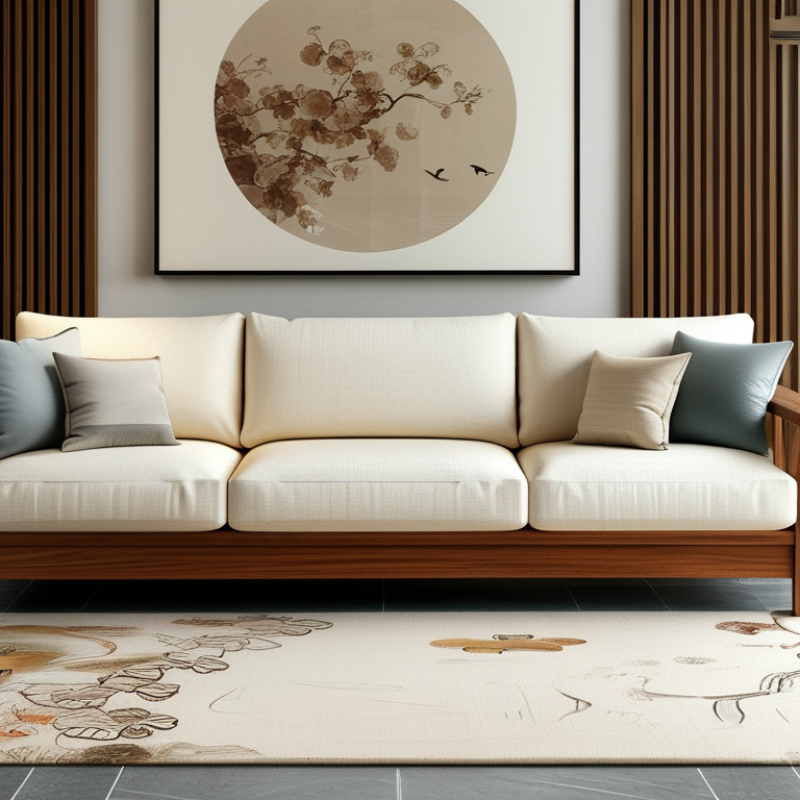
When choosing the right cleaning supplies for solid wood sofas, consider the impact of harsh chemicals. Many commercial products can damage delicate finishes. A study from the American Cleaning Institute reported that over 60% of families use chemical-based cleaners, which may not be suitable for wood. Instead, opt for natural alternatives like mix water and vinegar in equal parts. This solution is safe and effective for removing light stains.
Microfiber cloths are ideal for cleaning wood surfaces. They trap dirt without scratching. Industry experts recommend using a dry cloth for dusting and a slightly damp one for deeper cleaning. Regular cleaning can extend the lifespan of your solid wood sofa. Remember to apply minimal pressure to avoid damaging the finish.
Occasional polishing with a specific wax can enhance shine. Ensure the wax you choose is compatible with wood. A 2020 report suggested that the right wax can protect the surface from scratches and water. Think about how much effort you put into maintaining your sofa. The longevity of your furniture depends on the choices you make.
| Tip Number | Tip Description | Recommended Products |
|---|---|---|
| 1 | Dust your sofa regularly with a soft cloth. | Microfiber cloth |
| 2 | Use a damp cloth to wipe down stubborn spots. | Water |
| 3 | Avoid using harsh chemicals that can damage the wood. | Natural cleaners |
| 4 | Apply wood polish every few months to maintain shine. | Furniture polish |
| 5 | Keep the sofa away from direct sunlight to prevent fading. | N/A |
| 6 | Rotate cushions regularly to ensure even wear. | N/A |
| 7 | Clean up spills immediately to prevent stains. | Paper towels |
| 8 | Use coasters to prevent rings from drinks. | Coasters |
| 9 | Check for loose joints and tighten them as necessary. | Screwdriver |
| 10 | Consider professional cleaning for deep stains. | Professional cleaning service |
: Wood finishing protects sofas from moisture, dirt, and wear. It extends their longevity.
Dust with a soft, dry cloth. Avoid liquid cleaners that might damage the finish.
Use a microfiber cloth to avoid scratching the wood surface while capturing dust.
Use a soft, slightly damp cloth to clean spills quickly. Avoid harsh detergents.
The best indoor humidity is between 30-50%. Monitor this to prevent warping.
Rub the scratched area gently with a damp cloth. This method helps minimize scratches.
Use wood filler for deeper dents, then sand and touch up with matching stain when dry.
Dust your sofa weekly to maintain its beauty and reduce allergens in the home.
Use coasters to prevent water rings, maintain distance from sunlight, and polish regularly.
Consider if your cleaning methods are effective. Identify areas where improvement is needed.
To effectively clean and maintain solid wood Chinese sofas, it is crucial to choose the right cleaning supplies specifically designed for wood care. Understanding the wood finishing process is essential, as it helps identify the maintenance needs of your sofa. Regular dusting and spot cleaning techniques can minimize the accumulation of dirt and prolong the furniture's life. Addressing imperfections such as scratches and dents with appropriate repair methods will also enhance its appearance and durability.
Additionally, paying attention to the role of humidity and temperature can greatly influence the longevity of your solid wood sofas. Maintaining an optimal environment helps prevent warping and cracking, ensuring your furniture remains in excellent condition for years to come. By following these essential tips, you can ensure your solid wood Chinese sofas are well cared for and continue to be a beautiful addition to your home.

 ELDI Home