Traditional Chinese lacquerware represents a rich heritage, showcasing artistry and craftsmanship. Over 5,000 years, this art form has evolved significantly. However, many traditional pieces suffer from wear and neglect. It raises the question: "How to polish traditional Chinese lacquerware?" Effective techniques can restore not just shine but also cultural value.
Experts suggest that the lacquer finish is delicate. A study from the Asian Art Museum highlights the importance of using proper materials for polishing. Many artisans often overlook this crucial step. Regular maintenance can be challenging yet necessary to preserve these treasures. Improper techniques might lead to irreversible damage. Attention to details, such as the type of cloth or polish used, is essential.
While the allure of lacquerware is undeniable, sharing knowledge about preservation is equally important. As lacquerware gradually disappears from modern life, understanding its care becomes crucial. Missteps in polishing may signal a loss of cultural identity. Therefore, mastering the art of polishing is not just a practical skill but also a way to honor tradition.
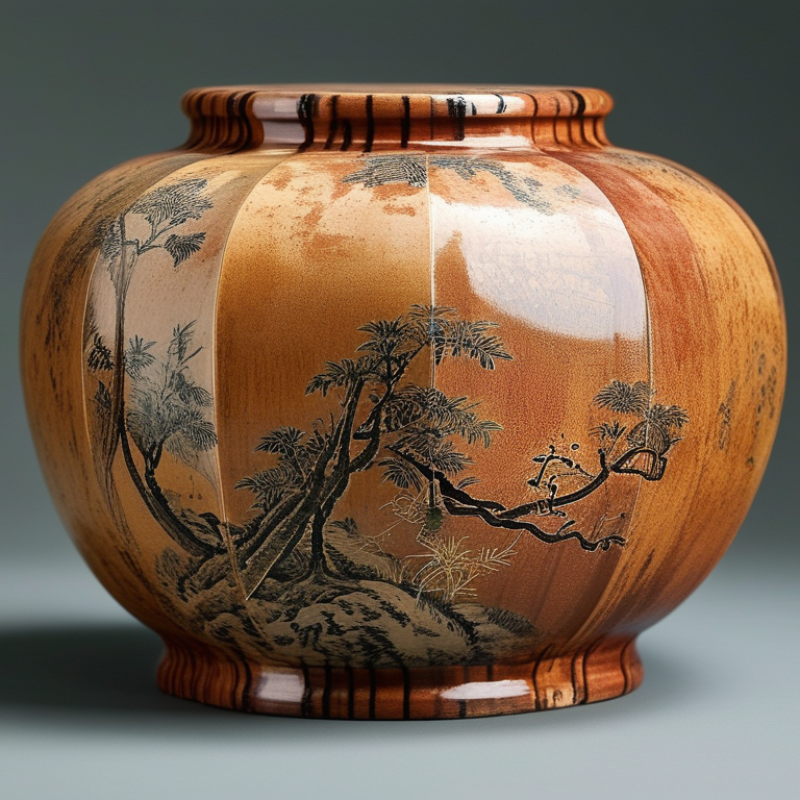
Understanding Traditional Chinese Lacquerware and Its Importance
Traditional Chinese lacquerware signifies a unique blend of artistry and cultural heritage. Emerging over 7,000 years ago, this technique has evolved into a revered craft. The lacquer originates from the resin of the lacquer tree, which is both naturally durable and luxurious. Data from the China National Arts and Crafts Association estimates that the lacquerware market grew by over 8% annually in recent years, underscoring its enduring appeal.
To maintain and polish this exquisite craft, it's vital to approach the task with care. Regular dusting with a soft cloth can prevent accumulation and enhance shine. If deeper cleaning is necessary, a damp cloth works best; avoid harsh chemicals that might damage the surface. Reflections of the artisan's skill are often lost due to improper care, revealing the need for a delicate touch.
Visitors to artisans' workshops often overlook the significance of environmental factors. Humidity and temperature can affect lacquerware's longevity. Keeping it in stable conditions prolongs its life and beauty. Understanding these nuances not only appreciates the art but also preserves its legacy. Connecting with history through lacquerware enriches one's cultural perspective.
Materials Needed for Polishing Chinese Lacquerware
Polishing traditional Chinese lacquerware requires specific materials to achieve the best results. Understanding these materials can significantly enhance the shine and durability. A professional survey by the Crafts Council indicates that nearly 70% of artisans emphasize using natural waxes for polishing. Beeswax and carnauba wax are preferred due to their non-toxic properties and ability to enhance the lacquer's depth of color.
In addition to waxes, soft cloths play a crucial role. Tight-weave cotton or microfiber cloths are ideal for applying wax without scratching the surface. Some professionals suggest using leather pads for a final buff, which can add an extra layer of shine. According to the Artisans’ Association report, the choice of materials can affect the final appearance, with a striking 80% of artisans noticing differences in sheen based on their polishing approach.
Lastly, while the correct materials are essential, mastering the polishing technique is vital. Many beginners might apply too much pressure, which can damage the delicate lacquer layer. This experience underscores the need for practice. Learning from experienced craftsmen can help avoid common mistakes and enhance the overall quality of the lacquerware. Balancing the right materials and technique invites continual reflection for ongoing improvement in this intricate craft.
How to Effectively Polish Traditional Chinese Lacquerware? - Materials Needed for Polishing Chinese Lacquerware
| Material |
Purpose |
Recommended Type |
Usage Tips |
| Water |
To clean the lacquer surface |
Distilled water |
Use a damp cloth, avoid soaking |
| Soft Cloth |
For gentle polishing |
Microfiber cloth |
Use circular motions |
| Lacquer thinner |
To remove stubborn stains |
Acetone-free thinner |
Use sparingly, with a soft cloth |
| Beeswax |
To enhance shine and protection |
Natural beeswax |
Apply with a soft cloth, buff after drying |
| Polishing compound |
For final polishing |
Fine polishing paste |
Use with a very soft cloth, avoid heavy pressure |
Step-by-Step Guide to Preparing Lacquerware for Polishing
Polishing traditional Chinese lacquerware requires patience and attention to detail. Begin by cleaning the item thoroughly.
Use a soft, damp cloth to remove dust and residue. This initial step is crucial for achieving a perfect finish.
Make sure the piece is completely dry before moving to the next stage.
To prepare lacquerware for polishing, examine it closely. Look for any imperfections like scratches or uneven surfaces.
If you find any, consider using fine sandpaper to smooth them out. It’s essential to be gentle, as excessive pressure can damage the lacquer.
A steady hand helps maintain the integrity of the piece.
When polishing, choose natural ingredients such as beeswax or natural oils. Apply them sparingly with a soft cloth.
Work in circular motions to create a uniform shine. It’s better to apply multiple thin coats than one thick layer.
This technique allows for better adhesion and a more polished appearance.
Remember that even the most skilled craftspeople make mistakes. Reflect on the process and learn from any mishaps.
Each piece tells a story, and imperfections can add character. Embrace the uniqueness of your lacquerware as you refine its beauty.
Techniques for Applying Polish to Achieve a Smooth Finish
Polishing traditional Chinese lacquerware is an art that requires patience and precision. To achieve a smooth finish, one must master various techniques for applying polish. Start by preparing your workspace. Ensure it is clean and well-lit. Gather your materials: fine sandpaper, polishing cloths, and natural oils. Using fine sandpaper, gently sand the surface to remove any imperfections. This step is crucial, as it sets the foundation for a beautiful finish.
When applying polish, use a soft cloth to work the oil into the lacquer. Choose oils that enhance the natural luster of the lacquer. Make sure to apply the polish evenly. Too much polish can lead to a sticky surface, which may diminish the lacquer's beauty. If you notice uneven spots, go back and sand lightly, then reapply.
Maintaining a steady hand is essential. Take your time to ensure each layer is applied smoothly. Allow the polish to dry completely between applications. This patience pays off. Sometimes, imperfections will still appear, reminding us that the process is not always flawless. Reflecting on these moments helps improve future applications. Next time, you may find ways to enhance your technique further, leading to even more stunning results.
Polishing Techniques Effectiveness for Traditional Chinese Lacquerware
Caring for Polished Lacquerware to Maintain Its Luster
Caring for polished lacquerware is crucial to preserving its beauty and longevity. Regular cleaning is essential. Use a soft, damp cloth to gently wipe the surface. This prevents dust accumulation, which can dull the shine. Industry reports indicate that proper maintenance can extend the lifespan of lacquerware by up to 50%.
Avoid harsh chemicals or abrasive materials. These can scratch the surface and ruin the finish. A mixture of warm water and mild soap can be used occasionally. Rinse it well and dry with a soft cloth. Pay attention to darker lacquer finishes, as they may require more frequent cleaning to retain their luster. Waxing every few months can also enhance shine, though over-waxing can cause a buildup that hinders appearance.
Humidity can damage lacquerware. It’s important to keep items in a stable environment. Significant fluctuations in temperature and moisture can cause cracks. A report from a leading antique preservation society emphasizes that maintaining a consistent environment can reduce damage significantly. Inspect lacquerware regularly for any signs of wear or fading. Early detection of issues can prevent more significant problems later.
Conclusion
In the article "How to Effectively Polish Traditional Chinese Lacquerware?", the author explores the significance of lacquerware in Chinese culture and provides a comprehensive guide for maintenance. It begins by explaining the unique materials and techniques involved in traditional lacquerware, highlighting its craftsmanship and historical importance.
The article offers a detailed step-by-step process on preparing lacquerware for polishing, including the necessary materials. Readers learn effective techniques for applying polish to achieve a smooth finish, ensuring that the aesthetic and functional qualities of the lacquerware are preserved. Additionally, it emphasizes the importance of proper care for polished lacquerware to maintain its luster over time. This guide serves as a valuable resource for anyone interested in preserving this exquisite art form and answers the question, "How to polish traditional Chinese lacquerware?" in a practical manner.

 ELDI Home