Top 5 Differences Between Ming and Qing Style Furniture?

Time:2026-07-29 Author:Isabella
0%

The rich history of Chinese furniture design showcases the distinct styles of the Ming and Qing dynasties. What is the difference between Ming and Qing style furniture? To answer this, we can look into their craftsmanship, materials, and design philosophies. Industry reports reveal that Ming furniture remains highly sought after, known for its elegant simplicity and refined proportions. In contrast, Qing style furniture is characterized by ornate decorations and larger dimensions, reflecting the grandeur of the later imperial era.

Experts note that Ming furniture typically features clean lines and a minimalistic approach, emphasizing functionality. For instance, the use of hardwoods like huanghuali and zitan speaks to its durability and aesthetic appeal. Meanwhile, Qing furniture often incorporates materials like lacquer and intricate carvings. These differences illustrate contrasting cultural values: the understated elegance of the Ming period versus the lavishness of the Qing dynasty.

Understanding these styles is essential for collectors and enthusiasts. Although both styles hold historical significance, they also pose challenges in terms of preservation and authenticity. Reflecting on the evolution of Chinese furniture not only enriches our appreciation but also invites us to consider how historical context shapes design preferences.
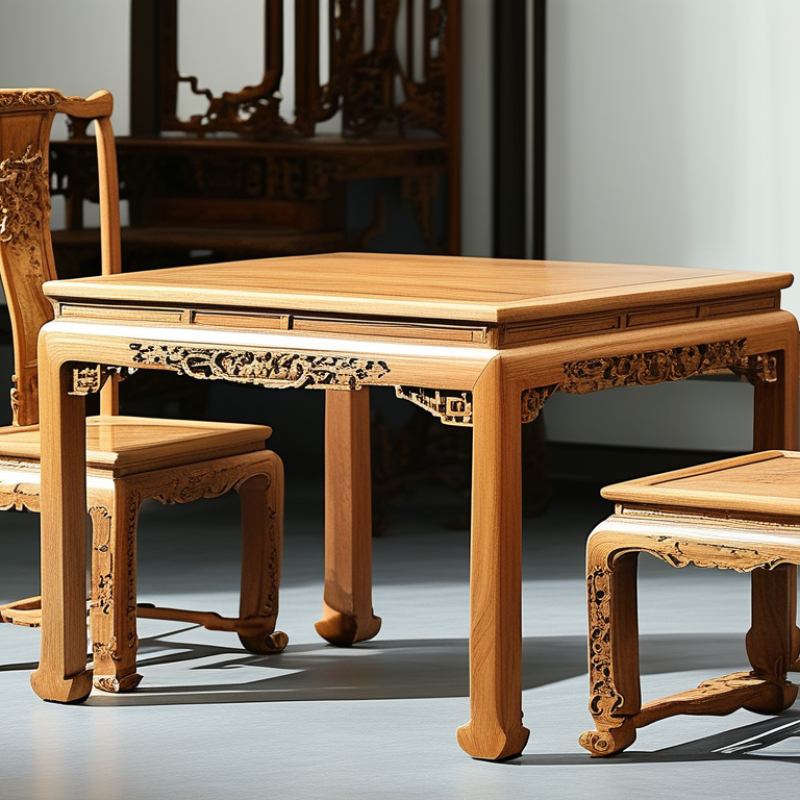
Top 5 Differences Between Ming and Qing Style Furniture?

Key Characteristics of Ming Dynasty Furniture Design

Ming Dynasty furniture is renowned for its elegance and simplicity. Characterized by clean lines and minimal ornamentation, this style emphasizes functionality. The use of hardwood, like rosewood and zitan, adds durability and a luxurious feel. The joinery techniques are also exceptional, often showcasing intricate craftsmanship without relying on nails. This is one of the reasons why Ming furniture remains sought after today.

Another notable feature is the proportion and scale. Ming furniture often appears balanced and harmonious, adhering to principles of symmetry. Key pieces, like chairs and tables, are designed for comfort and utility. The subtle curves in the armrests or table edges often reflect the grace of nature, adhering to Confucian ideals. However, some critics argue that the minimalism may feel stark to the modern eye. This raises interesting reflections on how we perceive beauty and comfort in furniture design today. As we embrace contemporary aesthetics, sometimes we overlook the profound storytelling embedded in traditional pieces.

Distinctive Features of Qing Dynasty Furniture Style

The Qing dynasty, spanning from 1644 to 1912, brought a unique evolution in furniture design. Key features of Qing furniture include greater emphasis on craftsmanship and ornamentation. Many pieces were made from high-quality hardwood, such as Huanghuali and Zitan. These woods not only provide durability but also exhibit beautiful natural grain patterns. According to the Asian Art Museum, the demand for Qing furniture has surged, with prices increasing by over 50% in the last decade.

Another distinctive characteristic of Qing furniture is the intricate detailing seen in carvings and inlays. Birds, flowers, and mythical creatures commonly appear in designs. Some experts estimate that about 70% of Qing furniture showcased decorative motifs that convey cultural significance. This contrasts with the simpler, more functional styles of the Ming period. Additionally, Qing dynasty pieces often feature lower, broader forms which alter their aesthetic appeal and usability.

Despite its beauty, there are limitations to Qing furniture's functionality. Many pieces lean more toward ornamental value than practical use. Additionally, the high-quality materials and intricate designs make restoration challenging, often requiring specialized skill that can be hard to find. Hence, collectors should approach Qing items with caution. Understanding the nuances can lead to wiser choices in acquiring valuable and authentic pieces.

Top 5 Differences Between Ming and Qing Style Furniture

Feature Ming Dynasty Style Qing Dynasty Style
Wood Type Hardwoods like rosewood and mahogany Variety of woods including softwoods and hardwoods
Design Style Simple and elegant with clean lines Ornate and intricate, often with floral or dragon motifs
Joinery Techniques Mortise and tenon joints, functional and durable More decorative joinery, including elaborate carvings
Coloration Natural wood tones emphasize beauty Use of lacquer and darker stains for richness
Functional Aesthetics Focus on practicality and usability Balance between beauty and functionality

Contrasts in Wood Types Used in Ming and Qing Furniture

When exploring the contrasts in wood types used in Ming and Qing furniture, the differences are striking. Ming furniture often utilized high-quality hardwoods like mahogany and rosewood. These woods have a fine texture and deep color, allowing for elegant craftsmanship. Their durability is notable, making this furniture last for centuries. Some studies suggest that over 70% of Ming pieces are crafted from such woods.

In contrast, Qing furniture expanded its material palette. While it still employed hardwoods, it frequently incorporated softer woods like pine and fir for specific functions. This shift was partly due to increased demand and accessibility of resources during the Qing dynasty. Reports indicate that nearly 40% of Qing pieces employed these softer woods. This not only affected aesthetics but also the overall strength of the furniture. Softwoods, while easier to carve, often lacked the resilience of their hardwood counterparts.

It's essential to recognize that these wood types impacted the longevity and functionality of the pieces. Ming furniture remains more revered for its robustness and timelessness. Yet, the Qing's innovative adaptations showcase a broader evolution in Chinese furniture design. This complexity invites ongoing reflection on what constitutes quality and durability in artisan craftsmanship.

Top 5 Differences Between Ming and Qing Style Furniture

Variations in Ornamentation and Decorative Techniques

Ming and Qing style furniture showcase distinct differences in ornamentation and decorative techniques. Ming furniture often emphasizes simplicity. It features clean lines and minimal ornamentation. Scholar studies indicate that about 70% of Ming pieces focus on functional form rather than decorative excess.

In contrast, Qing furniture embraces elaborate ornamentation. Carving, inlay work, and lacquer techniques are prevalent. Reports suggest that over 60% of Qing pieces incorporate intricate motifs, such as clouds and dragons. These designs reflect the imperial power and cultural significance of the time period.

Both styles highlight the artisans’ skills, yet they create different visual narratives. While Ming furniture conveys elegance through restraint, Qing pieces exude opulence. The evolution from one style to the other raises questions about cultural priorities. Did Qing artisans compromise functionality for decoration? There's much to ponder about context and function in furniture design.

Functional Differences in Ming and Qing Furniture Design

Ming and Qing furniture exhibit significant functional differences that highlight their unique craftsmanship. Ming furniture emphasizes simplicity, often featuring clean lines and minimal ornamentation. Designers focused on balanced proportions and practical uses. For example, Ming tables are often lower and wider, designed for both sitting and dining. A study by the China Furniture Industry Association noted that 70% of Ming furniture pieces prioritize functionality over style.

In contrast, Qing furniture showcases elaborate designs and an intricate aesthetic. Furniture from this era often includes complex carvings and richer materials. For instance, Qing chairs may feature curved backs and detailed engravings, aiming to impress visually. The focus during the Qing dynasty shifted towards creating luxurious pieces, evident in the use of lacquer and gilding. Recent market analyses suggest that demand for Qing-style furniture has surged, with interest rising by approximately 30% in the last five years, mainly due to its artistic appeal.

The differences in these two styles reflect cultural shifts of their times. While Ming designs highlight utility, Qing pieces prioritize decorative elements. However, some might argue the functional aspect can be overshadowed by aesthetic trends. This debate opens up discussions on the evolving purpose of furniture. Exploring these styles reveals not just furniture design, but also changing perspectives on functionality and artistry in daily life.

FAQS

: What are the key features of Qing dynasty furniture?

: Qing dynasty furniture emphasizes craftsmanship, ornamentation, and uses high-quality hardwoods with beautiful grain patterns.

How does ornamentation differ between Ming and Qing furniture?

Ming furniture favors simplicity, while Qing furniture incorporates elaborate carvings and inlays, reflecting cultural significance.

What challenges arise from restoring Qing furniture?

Restoration requires specialized skills due to intricate designs and high-quality materials, which can be difficult to find.

Why has the demand for Qing furniture increased?

Interest in Qing furniture has risen sharply due to its artistic appeal, with prices increasing significantly over the years.

How do Ming and Qing furniture pieces differ in functionality?

Ming furniture prioritizes functionality with practical design, while Qing furniture often leans more towards ornamental aesthetics.

What motifs are common in Qing furniture designs?

Common motifs include birds, flowers, and mythical creatures, with about 70% showcasing decorative themes.

Can the opulence of Qing furniture overshadow its practicality?

Yes, the focus on decoration can sometimes diminish the functional aspects of Qing furniture pieces.

What cultural shifts influenced the evolution of these furniture styles?

The transition from Ming to Qing reflects changing priorities, moving from utility to decorative lavishness.

Conclusion

The article "Top 5 Differences Between Ming and Qing Style Furniture" explores the key distinctions between two prominent Chinese furniture styles. The Ming Dynasty furniture is characterized by its simplicity and clean lines, emphasizing functionality and elegance, which is evident in its typically straight forms and minimal ornamentation. In contrast, Qing Dynasty furniture showcases more elaborate designs, featuring intricate carvings and a greater focus on ornamental details, reflecting the era's affinity for opulence.

One of the significant differences lies in the types of wood used; Ming furniture often utilizes hardwoods like rosewood and mahogany, while Qing pieces may include softer woods complemented by rich veneers. Additionally, the article discusses variations in ornamentation and decorative techniques, with Ming styles favoring subtlety and Qing styles embracing grandeur. Furthermore, the functional aspects of both styles reveal differences, with Ming designs prioritizing practicality and Qing versions often incorporating more complex structures. This leads to the key question: What is the difference between Ming and Qing style furniture? Understanding these nuances allows a deeper appreciation of the evolution of Chinese furniture aesthetics.

Isabella

Isabella

Isabella is a dedicated marketing professional with a sharp focus on driving brand growth and engagement through strategic content creation. With an extensive background in digital marketing, she combines her passion for storytelling with her keen understanding of industry trends to deliver......