Top 10 Common Symbols in Chinese Wood Carving?

Time:2026-06-26 Author:Ethan
0%

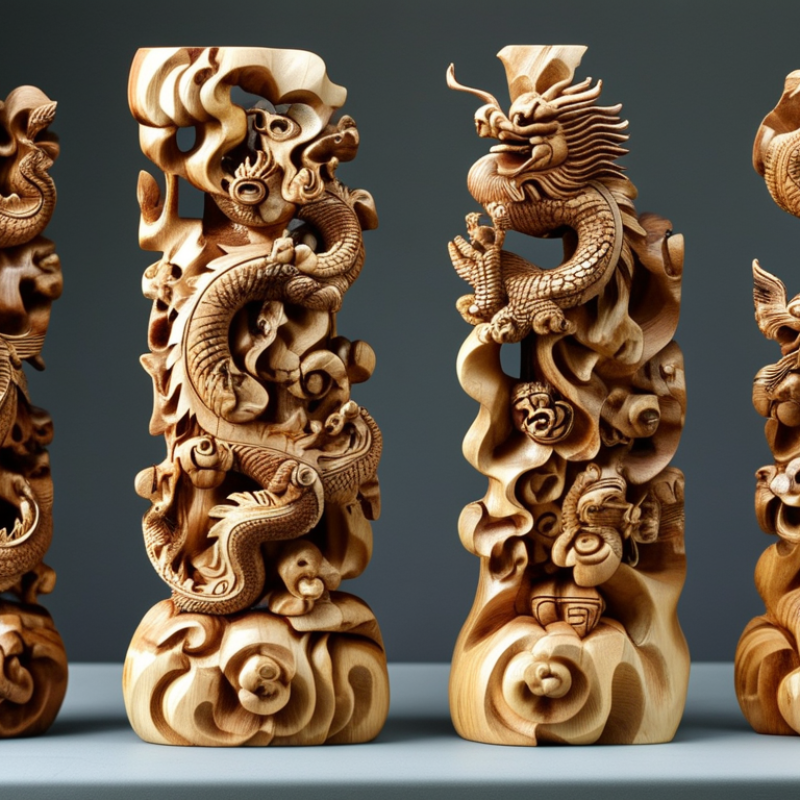
Chinese wood carving is a rich artistic tradition that reflects the culture’s deep symbolism. Many wood carvings display intricate designs that often convey meaningful messages. When exploring this art form, one might wonder: what are the common symbols used in Chinese wood carving? Understanding these symbols enhances our appreciation of the craftsmanship involved.

Each carving tells a story, often rooted in folklore, spirituality, or nature. For example, dragons symbolize power and strength, while phoenixes represent rebirth and renewal. These images are not random; they are carefully chosen to evoke specific feelings or convey important cultural values. Wood carvings often depict everyday life, but they also serve as a window into the philosophical beliefs of the time.

Despite the beauty of this art, interpretation can be nuanced. The same symbol might have different meanings in various contexts. Therefore, exploring Chinese wood carving requires a keen eye and an open mind. This complexity makes it a fascinating subject, offering endless opportunities for reflection and discovery.
Top 10 Common Symbols in Chinese Wood Carving?

Common Motifs and Themes in Chinese Wood Carving

Chinese wood carving features a rich tapestry of motifs and themes. Each piece tells a story and expresses cultural values. Common symbols include dragons, which represent power and strength. They symbolize good fortune and are often seen in decorative panels. Another common motif is the phoenix, symbolizing rebirth and harmony. The interplay between these creatures conveys balance in nature.

Flowers and plants also play a significant role in wood carving. The lotus represents purity, while bamboo signifies resilience. These elements reflect deep connections to Buddhist and Taoist philosophies. Artists often intricately carve these symbols, creating intricate designs that mesmerize viewers. However, the meanings can sometimes be lost on modern audiences, leading to misinterpretations.

Human figures are often depicted, showcasing stories from folklore. They hint at moral lessons but can seem outdated to contemporary observers. The craftsmanship demands respect, yet some may overlook the deeper significance. This disconnect prompts reflection on how art evolves across time. Heritage holds value, but appreciating history requires an active effort. These carvings invite us to explore, question, and ultimately understand cultural narratives.

Symbolism of Animals in Chinese Wood Carving

Chinese wood carving often features animal symbols, each with its own rich meaning. These symbols reflect cultural beliefs and values. For instance, the dragon represents power and strength. It is revered in Chinese culture. The phoenix, on the other hand, symbolizes beauty, grace, and harmony. Together, these two creatures embody the idea of balance in life.

Tigers are also significant. They stand for bravery and protection. They are often seen as guardians. Similarly, the crane represents longevity and wisdom. This bird is admired for its elegance and gracefulness. Each carving tells a story of these magnificent animals, connecting the viewer to ancient traditions.

Tips: When choosing wood carvings, consider the animal’s symbolism. Think about what it represents and how it resonates with you. A carving of a dragon may inspire confidence, while a crane can bring peace. Understanding these meanings can deepen your appreciation for the art. Explore various styles to find what speaks to you. Remember, every piece is unique, reflecting both the artisan’s skill and the viewer’s perspective.

Top 10 Common Symbols in Chinese Wood Carving - Symbolism of Animals

Symbol Animal Symbolism Common Usage
Dragon Mythical Creature Power, Strength, Good Fortune Architectural Elements, Wall Decorations
Phoenix Mythical Bird Rebirth, Renewal, Harmony Furniture, Jewelry
Tiger Tiger Courage, Power, Protection Amulets, Artifacts
Carp Fish Perseverance, Strength in the Face of Adversity Decorative Items, Crafts
Bamboo Plant Flexibility, Strength, Resilience Artworks, Furniture Design
Crane Bird Longevity, Wisdom, Peace Paintings, Carvings
Elephant Mammal Wisdom, Strength, Good Luck Statues, Amulets
Lion Mammal Protection, Courage, Authority Guardians, Temple Decorations
Tortoise Reptile Longevity, Stability, Protection Sculptures, Home Decor
Monkey Mammal Intelligence, Flexibility, Mischief Decorative Figurines, Arts

Cultural Significance of Plant Symbols in Wood Carving

Chinese wood carving showcases rich cultural symbols, especially plants. Each symbol conveys deep meanings and values. For instance, the bamboo symbolizes resilience and strength. Its ability to bend yet not break resonates with the enduring spirit of life.

The lotus flower often appears in intricate designs. It represents purity and beauty, growing unstained from muddy waters. Next, the peach tree symbolizes longevity and immortality. This connection to long life is cherished in Chinese culture. The pine tree, often carved alongside other symbols, reflects steadfastness. It stands tall and strong against harsh conditions.

These plant symbols do more than decorate. They embody the wisdom of Chinese philosophy and traditions. However, the meanings can sometimes be complex. Misinterpretations may occur when viewing these carvings outside of their cultural context. Understanding their significance requires thoughtful reflection and respect for Chinese heritage.

Traditional Techniques Used in Chinese Wood Carving

Chinese wood carving is a time-honored craft, steeped in tradition. The techniques employed by artisans have been handed down through generations. Each carving reflects the skill and cultural significance of the piece. For instance, traditional methods often involve hand tools like chisels, mallets, and knives. Artisans spend hours perfecting each detail, ensuring every curve tells a story.

The crafting process begins with selecting the right wood, often softwoods for ease of carving. This material choice impacts the final design and durability of the piece. Carvers may use templates to guide intricate patterns. Yet, there’s room for spontaneity. Sometimes, the wood’s natural grain influences the final design, adding unique character. However, many struggle with balancing intention and the inherent beauty of the wood.

Despite the beauty, imperfections can arise. Not every piece turns out as envisioned. A missed chisel mark or an uneven edge can be frustrating for a carver. These moments force reflection on technique and intention. They serve as reminders that mastery is a journey, not a destination. Embracing flaws fosters growth and innovation within the craft.

Top 10 Common Symbols in Chinese Wood Carving

This bar chart showcases the popularity of the common symbols found in Chinese wood carving. Each symbol represents a significant cultural meaning and is commonly used in traditional techniques.

Historical Influence on Chinese Carving Symbols

Chinese wood carving has deep historical roots. The symbols carved into wood carry stories and meanings. Each symbol reflects cultural beliefs and traditions. For centuries, artisans used these symbols to convey wishes for prosperity, longevity, and good fortune.

Dragons are prominent in many carvings. They represent power and strength. Meanwhile, the phoenix symbolizes rebirth and harmony. Other symbols, like flowers, often signify beauty and love. These images are not merely decorative. They capture the essence of human experiences and emotions. However, interpretations can change over time, revealing different social contexts.

Artisans faced challenges while preserving traditions. Modern influences may overshadow the traditional meanings. Some symbols might lose their significance or be misinterpreted. This evolution raises questions about authenticity in craftsmanship. Yet, these wood carvings continue to inspire appreciation for Chinese history and culture.

FAQS

: What themes are commonly found in Chinese wood carving?

: Chinese wood carving features themes like dragons, phoenixes, flowers, and human figures. Each piece tells a unique story.

What does the dragon symbolize in wood carving?

The dragon symbolizes power, strength, and good fortune. It is a revered and significant symbol in Chinese culture.

How is the phoenix represented in wood carving?

The phoenix represents rebirth, beauty, and harmony. Its presence often signifies balance in nature and life.

Why are flowers and plants important in wood carving?

Flowers like the lotus symbolize purity, while bamboo reflects resilience. These motifs connect to deeper philosophical beliefs.

Do modern audiences always understand these carvings?

Not always. Some meanings may be lost or misinterpreted by contemporary observers, leading to disconnects with the art.

What do human figures portray in wood carving art?

They often depict folklore stories and moral lessons, but may seem outdated or less relevant to modern viewers.

How can animal symbols enhance my enjoyment of wood carvings?

Understanding animal symbolism, like bravery in tigers or wisdom in cranes, can deepen appreciation and personal connection to the art.

What should I consider when choosing a wood carving?

Think about the animal’s symbolic meaning. Choose one that resonates with your values and sentiments for a personal touch.

Conclusion

Chinese wood carving is renowned for its intricate designs and rich symbolism, reflecting cultural beliefs and philosophies. Common motifs and themes in Chinese wood carving often include representations of animals and plants. What are the common symbols used in Chinese wood carving? Animals like dragons, phoenixes, and tigers are prevalent, each symbolizing power, good fortune, or protection. Meanwhile, plant symbols, such as bamboo and plum blossoms, convey resilience and purity, respectively.

The techniques used in these carvings are steeped in tradition, showcasing the craftsmanship passed down through generations. Additionally, historical influences, including philosophical and religious elements, have shaped the symbolic representations seen in wood carving today. This artistry not only serves decorative purposes but also embodies deeper cultural narratives, making each piece a unique storyteller.

Ethan

Ethan

Ethan is a seasoned marketing professional with a deep expertise in our company's innovative product line. With a passion for sharing knowledge and insights, he takes the lead in regularly updating our corporate blog, where he explores industry trends, product features, and effective marketing......