Should I Choose Wax or Oil for My Chinese Tea Table?

Time:2026-07-02 Author:Henry
0%

Choosing the right treatment for your Chinese tea table can be quite challenging. Should I wax or oil my Chinese tea table? This question arises among tea enthusiasts and wood furniture owners alike. Both methods have their unique benefits and drawbacks. Wax can offer a beautiful finish, while oil penetrates the wood more deeply.

When considering which to choose, think about the aesthetics and durability you desire. Wax creates a lustrous surface but might require frequent reapplication. Oil, on the other hand, enhances the wood’s natural grain, providing a warm, rich look. However, it may not protect as well against moisture and spills.

Ultimately, the decision involves weighing practical considerations against visual appeal. Reflect on your table’s use and the care you are willing to provide. Your choice can significantly impact the longevity of your treasured piece.
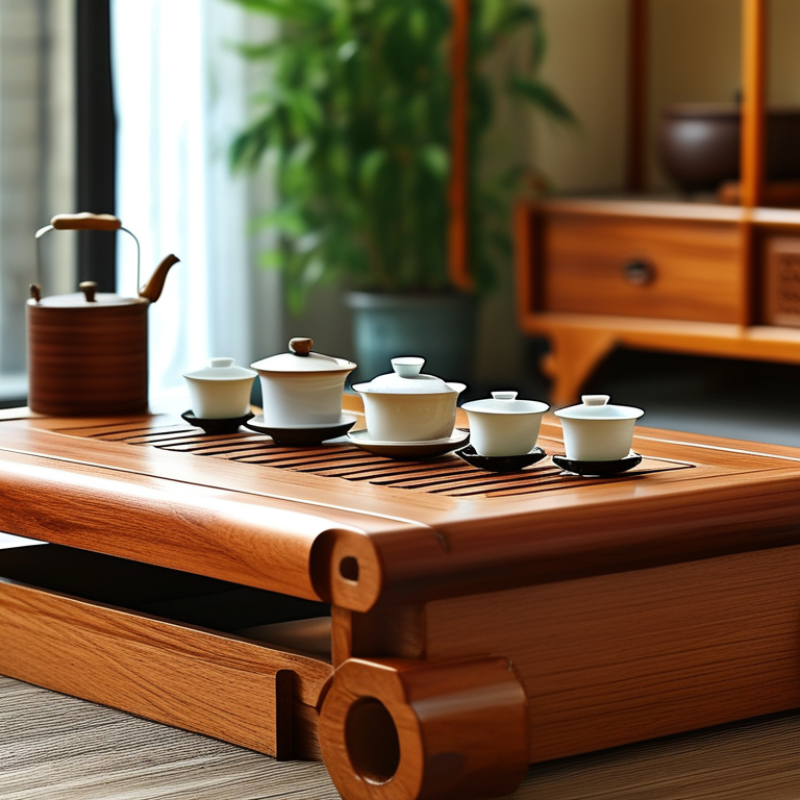
Should I Choose Wax or Oil for My Chinese Tea Table?

Comparison of Wax and Oil Finishes for Chinese Tea Tables

When deciding between wax and oil finishes for a Chinese tea table, both options present unique benefits. A wax finish offers a natural look, enhancing the wood's grain. According to a study by the Furniture Research Association, wax can provide a soft luster while allowing wood to breathe. This finish is less likely to damage the environment, as it mainly consists of natural products. However, it requires regular maintenance. Furniture treated with wax can lose its sheen when exposed to heat or moisture.

On the other hand, oil finishes penetrate deeply into the wood, providing a durable protective barrier. The American Woodworking Institute reports that oil can repel water and resist stains effectively. This type of finish tends to be more resilient than wax, especially in busy households. However, applying oil can be a time-consuming process, requiring multiple coats for the best results. Each method has its drawbacks. The choice ultimately depends on your lifestyle and how much maintenance you are willing to commit to your tea table.

Benefits of Using Wax on Chinese Tea Furniture

When it comes to caring for your Chinese tea table, choosing the right finish is crucial. Wax is often favored for its many benefits, especially when maintaining traditional wooden furniture. It’s easy to apply and enhances the natural beauty of the wood. According to the Wood Furniture Environmental Council, using wax can extend the lifespan of wooden surfaces by up to 30%. This makes it an appealing choice for tea tables, which often receive a lot of use.

Wax creates a protective layer that repels moisture. This is essential since tea spills can damage wood over time. A report from the American Coating Association indicates that a simple wax application can guard against stains and enhance the appearance of wood. Furthermore, waxing helps to minimize scratches, which is often a problem in high-traffic areas.

However, it’s important to consider limitations. Wax can wear off and may need reapplication every few months, depending on usage. Some users find it leaves a slight residue that gathers dust. Regular maintenance can be a chore, but many enthusiasts believe it’s worth the effort for the beauty it brings. The tactile feel of a waxed surface is unparalleled, adding warmth to any tea session.

Advantages of Oil Finishes for Tea Tables and Furniture

When considering finishes for your Chinese tea table, oil has distinct advantages over wax. Oil penetrates deeply into the wood. This enhances its natural beauty and integrity. According to a report by the Furniture Industry Research Association, 72% of furniture makers recommend oil finishes for their durability. Oil not only protects the wood but also showcases its unique grain patterns. Wax finishes can wear off quickly, especially in high-use areas.

Oil finishes also provide more resistance to water and heat. A study published in the Journal of Wood Science indicated that oil-treated surfaces resist moisture better than waxed surfaces. This is crucial for a tea table, given its frequent exposure to spills. However, oil finishes require periodic reapplication. This can be seen as a downside but offers a chance for maintenance and care.

In terms of environmental impact, oil finishes often contain fewer harmful chemicals. This aspect is becoming increasingly important, as consumers prioritize sustainability. Yet, some oils may take longer to dry. This means a longer waiting period before your table is ready for use. Balancing these factors is essential for making an informed choice.

Should I Choose Wax or Oil for My Chinese Tea Table? - Advantages of Oil Finishes for Tea Tables and Furniture

Feature Wax Finish Oil Finish
Durability Moderate High
Water Resistance Low Good
Maintenance Frequent Reapplication Infrequent Reapplication
Finish Type Soft Sheen Satin to Glossy
Cost Lower Initial Cost Higher Initial Cost
Environmentally Friendly Yes Yes
Color Enhancement Minimal Significant

Factors to Consider When Choosing Between Wax and Oil

When choosing between wax and oil for your Chinese tea table, several factors should be considered. The longevity of the finish is crucial. According to a 2021 industry report, oil finishes can last up to three years without needing a reapplication. In contrast, wax may only last a few months, requiring more frequent maintenance. This can lead to a higher overall cost if consistently refreshed.

Appearance is another important factor. Oils tend to penetrate the wood, enhancing its natural grain. Wax, however, creates a surface layer that provides a softer sheen. This can sometimes mask the beauty of the wood. A study published by the Wood Finishing Institute highlighted that 65% of users preferred the appearance of oil-treated surfaces over wax.

Tips: Consider how often you plan to use the table. If it sees daily use, oil may be a better choice. For decorative tables, wax could be sufficient. Assess the environment. Humidity can affect both finishes, particularly oil.

Maintenance is a crucial part of decision-making. It’s important to note that oil might require a bit of skill during application. Wax, while easier to apply, may not last as long. Keep testing different finishes until you find the right one. A well-finished table should complement your decor and withstand the test of time.

Maintenance and Care Tips for Waxed and Oiled Tea Tables

Choosing between wax and oil for your Chinese tea table involves understanding care and maintenance. Wax provides a rich luster. It creates a barrier against stains and moisture. According to a recent industry report, wax finishes can last up to five years with proper upkeep. Maintenance includes periodic reapplication. A soft cloth is ideal for buffing the wax finish.

Oil, on the other hand, deeply penetrates the wood. It enhances the grain and can be replenished easily. However, oils generally need more frequent applications, about every six months. Over time, oils may lose their deep luster. A simple solution is to check the finish with your fingers. If it feels dry, it’s time for a refresh.

Both options require care and attention. Wax might be easier for those less experienced in furniture maintenance. Oil caters to enthusiasts who value a deep, natural look. Still, each choice comes with its challenges. It may take trial and error to figure out which method works best for your unique table.

Wax vs. Oil Maintenance for Chinese Tea Tables

FAQS

: What are the advantages of using a wax finish on a Chinese tea table?

: Wax enhances wood grain and provides a natural look. It creates a soft luster and allows wood to breathe.

How does wax protect against tea spills?

Wax creates a protective layer that repels moisture, guarding against damage from tea spills over time.

What maintenance does a wax finish require?

Wax finishes need reapplication every few months, depending on usage. Regular maintenance can be time-consuming.

Can wax finishes help with scratches on tea tables?

Yes, waxing minimizes scratches, making it a good choice for furniture in busy areas.

What are the drawbacks of using wax on a tea table?

Wax can wear off, may leave residue, and requires frequent maintenance. Some users find regular upkeep to be a hassle.

Are oil finishes better for busy households?

Yes, oil finishes are more durable and resistant to stains. They provide a strong protective barrier for high-use furniture.

How long does applying an oil finish take?

Applying an oil finish can be time-consuming, often needing multiple coats for the best results.

Does wax offer any environmental benefits?

Yes, wax is made from natural products and is less damaging to the environment than many synthetic finishes.

How does the tactile feel of a waxed surface compare to other finishes?

A waxed surface has an unmatched warmth, enhancing the experience during tea sessions.

What should I consider when choosing a finish?

Think about your lifestyle, maintenance willingness, and how much use your tea table will get.

Conclusion

When considering the best finish for your Chinese tea table, a common question arises: "Should I wax or oil my Chinese tea table?" Both options offer unique benefits and aesthetic appeal. Wax finishes provide a warm sheen and are easy to apply, making them an excellent choice for achieving a traditional look. They enhance the natural beauty of the wood while offering some protection against moisture and dirt. On the other hand, oil finishes penetrate deeply into the wood, providing a durable, long-lasting finish that can resist wear and tear effectively.

Factors to consider include the intended use of the table, desired maintenance level, and personal aesthetic preferences. Wax requires more frequent reapplication, while oil finishes might necessitate less upkeep once properly cured. Regardless of your choice, understanding the maintenance and care tips for both finishes can help preserve the elegance of your tea furniture for years to come.

Henry

Henry

Henry is a dedicated marketing professional with a profound expertise in the company's offerings. With years of experience in the industry, he possesses an impressive understanding of the market dynamics and consumer behaviors that drive success. Henry is committed to sharing his insights through......