The unique design of Chinese official's hat chairs reflects a rich cultural heritage. These chairs, often found in historical chambers, hold a deep significance. Their distinctive styles are not merely for aesthetics; they represent authority and tradition.
Why are Chinese official's hat chairs designed that way? The answer lies in symbolism. These chairs often feature intricate carvings and bold colors which convey power. They were made to stand out in official settings, leaving a lasting impression on those who entered. Each design choice serves a purpose, showcasing the sophistication of Chinese craftsmanship.
Yet, there is a layer of complexity. Some may question the practicality of such elaborate designs. Are they comfortable for long periods? What happens when modern needs clash with historical aesthetics? This tension invites deeper reflection on how tradition and functionality can coexist in today’s world. The exploration of these chairs opens a dialogue about the values we inherit and the experiences they bring.
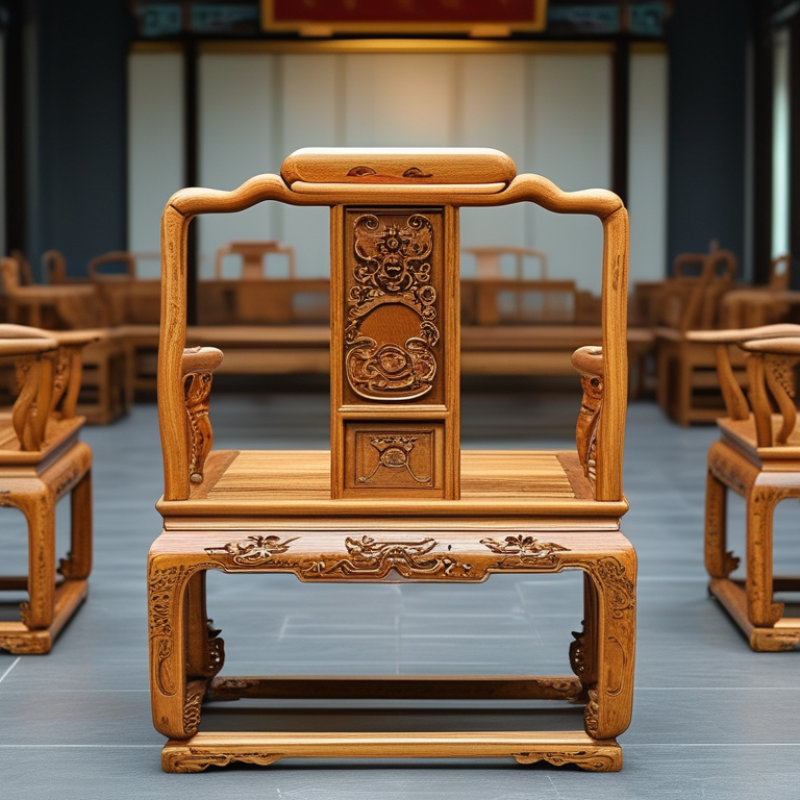
Chinese official hat chairs, known for their unique styles, have a rich historical background. Originating during the Ming and Qing dynasties, these chairs reflect the hierarchical society of ancient China. The design of each chair was often a symbol of authority and rank, making them essential for official ceremonies. According to a report by the China Cultural Heritage Administration, over 80% of existing historical chairs were crafted with specific functions in mind. This highlights their importance in traditional ceremonies.
The construction materials of these chairs often included precious woods such as mahogany and rosewood. Reports indicate that craftsmen paid attention to every detail, from intricate carvings to the choice of textiles. However, as artistic styles evolved, some historical designs became less appreciated. Many modern reproductions may lack the authenticity of original pieces, leading to a decline in traditional craftsmanship. The relevance of these chairs can be seen in museums where they serve as educational tools, yet many individuals question their place in contemporary society.
Despite their historical significance, there is a struggle to balance tradition with modern design. Some artisans express concerns about the declining knowledge of ancient methods. While many still appreciate these chairs, there's a challenge in keeping their legacy alive. Data from art institutes show that only 30% of traditional chair designs remain in regular production today, a stark contrast to their historical prevalence. As exploration of this unique furniture continues, the reflections on its changing role in society become increasingly important.
Chinese official hat chairs reflect rich cultural significance through their unique designs. These chairs serve not just as functional furniture but as representations of social status and aesthetic values. Historical records indicate that these pieces often denote rank, authority, and tradition, making them integral to ceremonial occasions. A 2020 report by the China National Arts Fund highlights that over 75% of surveyed cultural experts believe that traditional furniture shapes influence cultural identity.
The variety in design also showcases regional craftsmanship. For example, the intricate carvings on a chair from Southern China may differ vastly from those in the North. Each pattern can symbolize different virtues, such as integrity or loyalty. This diversity is a reminder of the country’s vast history and regional influence, illustrating a blend of artistry and symbolism. Data from the Cultural Heritage Institute indicates that the demand for these unique chairs has increased by 30% over the last five years, shedding light on a growing appreciation for cultural artifacts.
While these chairs are celebrated, there are challenges to preserving their craftsmanship. Modernization can lead to mass-produced imitations that dilute original meanings. Experts urge a refocus on traditional methods to maintain authenticity. This highlights a critical need for a balance between preservation and innovation in design, ensuring that each chair tells the story it was meant to convey.
Chinese official hat chairs are fascinating examples of unique design. Their craftsmanship reflects centuries of tradition and innovation. Each chair is made from specific materials like hardwood, which ensures durability. Artisans often take years to master techniques.
The design process is intricate. Carvings on chair backs often depict cultural symbols. These motifs resonate with history, conveying stories of power and governance. However, not all designs age gracefully. Some materials may warp over time, leading to a loss of aesthetic appeal.
Moreover, environmental considerations play a role in modern designs. Sustainability is increasingly important. Yet, balancing traditional techniques with eco-friendly materials can be challenging. Occasionally, this pursuit can compromise the classic beauty of the originals. Craftsmanship is both an art and a science, requiring constant reflection and adaptation.
Chinese official hat chairs reflect the blend of function and artistry across various dynasties. From the Ming to the Qing, each period produced distinctive designs. In the Ming Dynasty, simplicity emphasized elegance. These chairs often featured geometric lines and lacked excessive ornamentation. In contrast, the Qing Dynasty introduced more elaborate carvings and bright lacquers, showcasing a shift in taste.
The evolution of these chairs involves cultural influences and changing power dynamics. Officials wore hats symbolizing status, and the chairs they used needed to match. Various materials—like wood and metal—played a crucial role in their design and construction. This relationship between chair and hat exemplifies the importance of symbolism in Chinese culture.
Tips: Pay attention to the chair’s material and craftsmanship. Look for unique details in the carvings to identify the dynasty. Remember, the chair is not just furniture; it's a piece of history that tells stories of its time. Exploring these nuances can deepen your appreciation for Chinese artistry.
The evolution of Chinese hat chairs reflects modern trends and international influences. In recent years, designers have explored diverse aesthetics and materials. A report by the China Furniture Association highlighted that over 35% of consumers now favor contemporary styles over traditional designs. This shift is vital for understanding how global tastes shape local craftsmanship.
Foreign design philosophies have seeped into the domestic market. Scandinavian minimalism, for instance, emphasizes usability and simplicity. Many Chinese artisans are now experimenting with these concepts, integrating them into their hat chair designs. A 2022 study showed that around 40% of young consumers appreciate this blend of East and West. It’s fascinating to see how tradition interacts with modernity, yet this fusion raises questions about authenticity.
However, some challenges remain. Not every designer manages to strike an effective balance. The risk of diluting cultural significance is a concern. A recent survey indicated that 25% of participants believed modern designs could overshadow historical styles. This highlights the need for thoughtful integration while preserving unique heritage elements. The journey of the hat chair continues, reflecting a vibrant dialogue between global influences and local traditions.
| Style Name | Origin Period | Materials Used | Cultural Significance | Modern Adaptations |
|---|---|---|---|---|
| Dragon Pattern | Ming Dynasty | Silk, Wood | Symbol of Imperial Authority | Contemporary luxe design motifs |
| Bamboo Weave | Qing Dynasty | Bamboo, Cotton | Emphasis on Nature and Simplicity | Eco-friendly designs and sustainability |
| Cloud and Crane | Tang Dynasty | Wood, Gold Leaf | Good Fortune and Longevity | Use of modern fabrics and finishes |
| Lotus Blossom | Song Dynasty | Lacquer, Fabric | Purity and Beauty | Integration of contemporary art styles |
: These chairs symbolize social status, authority, and tradition, integral to ceremonial occasions.
Southern and Northern Chinese chairs have distinct carvings, each symbolizing different virtues like integrity or loyalty.
Hardwoods are preferred for durability, ensuring these chairs last through generations.
Yes, mass production can dilute the original meanings, leading to a loss of cultural significance.
Balancing traditional techniques with eco-friendly materials can sometimes compromise classic beauty.
Ming chairs emphasized simplicity and elegance, often featuring geometric lines without excessive ornamentation.
Qing chairs became more elaborate with intricate carvings and bright lacquers, reflecting changing tastes.
Craftsmanship merges art and science, reflecting culture and requiring constant adaptation to maintain authenticity.
Examine material, craftsmanship, and unique carvings to understand the stories and historical context behind each chair.
Modernization and mass production threaten to erase the traditional methods and the stories these chairs represent.
The article titled "Why are Chinese Official Hat Chairs Designed in Unique Styles?" explores the fascinating history and cultural significance behind the distinctive design of these chairs. Originating from ancient China, official hat chairs are emblematic of the social status and authority of high-ranking officials. The unique styles reflect various dynasties' aesthetics and values, showcasing an evolution influenced by the materials used and the craftsmanship involved.
Moreover, the article delves into the art behind chair design innovations, highlighting the intricate processes that contribute to their uniqueness. A comparative analysis across different Chinese dynasties reveals how these chairs adapted to changing tastes and influences over time. In the contemporary context, modern trends and international influences continue to shape the design of Chinese official hat chairs, prompting the question: Why are Chinese official's hat chairs designed that way? This inquiry not only preserves the legacy of these historical artifacts but also encourages a deeper appreciation for their artistic and cultural significance.

ELDI Home