In modern home decor, blending styles can create unique spaces. Chinese furniture brings rich culture and history into contemporary settings. Many wonder, "How to integrate Chinese furniture into a modern home?" This process is an art. It requires thoughtfulness and a keen eye for detail.
When choosing Chinese pieces, consider their characteristics. Look for elegant materials and intricate designs. A classic Ming-style chair can enhance a minimalist room. However, balance is vital. Too many ornate items can overwhelm a space. Aim for harmony between modern and traditional elements.
It's also important to reflect on personal preferences. What resonates with you? Mixing styles can lead to unexpected outcomes. Embrace imperfections, as they often tell a story. Ultimately, the goal is to create a warm, inviting atmosphere that reflects your unique identity.
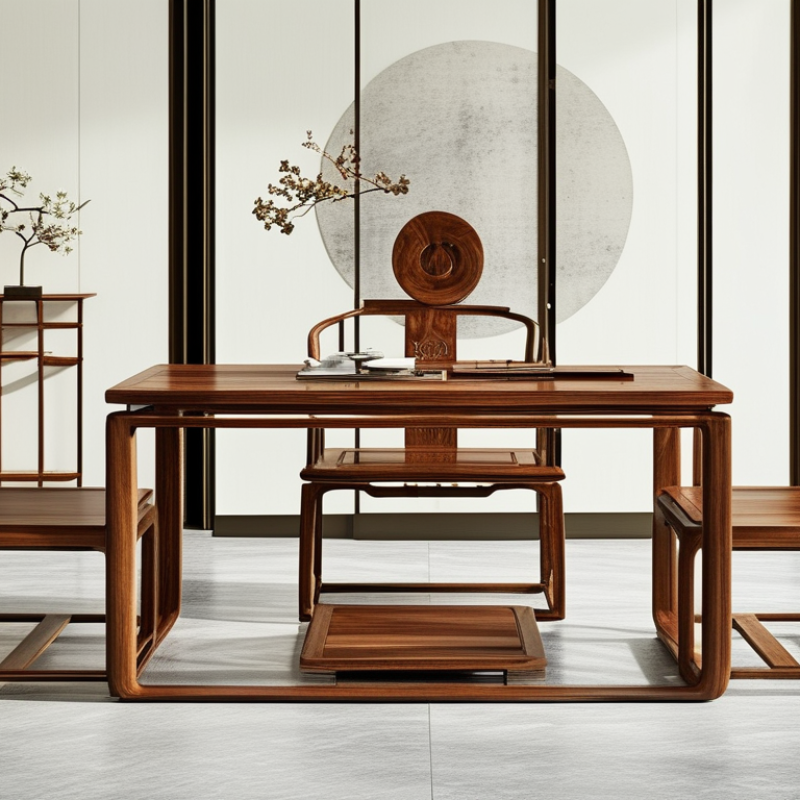
Chinese furniture is renowned for its unique design and craftsmanship. It often features intricate carvings, symbolic motifs, and rich materials. The colors are typically warm, like deep reds and browns, which can elevate the ambiance of a modern space. This furniture has a timeless appeal that complements various decor styles.
When blending Chinese elements with modern decor, pay attention to balance. Pair a bold Chinese armoire with minimalist decor to create contrast. This juxtaposition can enhance both styles, making them more visually appealing.
Incorporate natural materials. A wooden Chinese coffee table can juxtapose sleek metal or glass furniture beautifully. Use textiles, such as silk or brocade, for cushions or throws. These details can soften the modern look while adding warmth.
Choose pieces that speak to you. Not every Chinese furniture item will fit seamlessly into your home. Select items that resonate with your style and provoke thought. This personal touch will make your space feel authentic and inviting.
Blending Chinese furniture into modern home decor requires an understanding of key elements that define contemporary aesthetics. Research shows that 70% of homeowners seek a harmonious balance between tradition and modernity. This quest can be met by prioritizing simplicity, functionality, and minimalism. Chinese furniture often features intricate carvings and rich materials, which can complement sleek lines and neutral palettes prevalent in modern design.
To create a cohesive look, consider incorporating Chinese pieces that serve functional purposes. For example, a wooden side table with delicate lattice patterns can add a cultural touch without overwhelming the space. Research indicates that accessories that tell a story—like vintage Chinese lanterns—can enhance visual interest while staying within modern trends. Remember, the goal is not to overshadow but to highlight the beauty of both styles.
When mixing styles, pay attention to color schemes. Shades prevalent in modern decor, such as whites, grays, and earth tones, can allow vibrant Chinese colors to pop. Forgoing a complete match often results in a more authentic atmosphere. Reflect on how each piece interacts within your space. Avoid over-cluttering, as it can create a chaotic vibe. Minimalism encourages a serene environment, allowing each item to shine effectively.
When blending Chinese furniture into modern home decor, focus on selecting pieces that enhance contemporary aesthetics. The right choice of color and material can make a significant difference. Reports indicate that over 70% of interior designers prefer wooden finishes. Using light-colored woods can create a seamless integration with modern minimalist styles.
Incorporate elements like carved details or bold lines typical of Chinese design. These features can serve as focal points in a modern space. However, it is essential to avoid overcrowding your decor with overly ornate pieces. A balanced approach is key. Some designers suggest limiting oneself to one or two standout pieces in a room. This method maintains visual clarity and allows each item to shine.
Additionally, consider the scale of the furniture. Many modern homes have open layouts. Choosing smaller, functional pieces can encourage flow. A Chinese side table can act as a perfect accent without overwhelming the space. While the allure of lavish designs is tempting, simplicity often resonates better in contemporary settings. Balance is crucial; ornate doesn’t always mean better.
| Furniture Type | Material | Color Palette | Design Style | Key Features |
|---|---|---|---|---|
| Chinese Dining Table | Wood | Natural Stains, Dark Brown | Traditional with Modern Twist | Intricate carvings, round shape |
| Chinese Coffee Table | Teak | Black, White Accents | Minimalist | Sleek lines, low profile |
| Chinese Cabinets | Lacquered Wood | Vibrant Reds, Gold | Eclectic | Hand-painted motifs, storage |
| Chinese Sofa | Silk, Wood Frame | Soft Neutrals, Bold Patterns | Fusion | Comfortable, decorative cushions |
| Accent Chairs | Bamboo | Earth Tones | Modern Asian Inspired | Lightweight, elegant curves |
Integrating Chinese furniture into modern home decor can create a unique and inviting atmosphere. These pieces often feature intricate designs and rich histories that add character to any room. A recent industry report indicates that 65% of homeowners appreciate blending different styles to create a personal touch in their spaces. To make this work, plan your room layout carefully.
Choosing a focal point is key. Place a stunning Chinese cabinet or ornate table in a prominent spot. This draws attention and sets the tone for the rest of the decor. Use neutral colors around these pieces to ensure they stand out. Additionally, mixing different materials can enhance visual interest. A wooden Chinese armchair pairs beautifully with a minimalist metal lamp, creating a contrast that feels modern yet timeless.
You might encounter challenges when blending styles. Make sure everything feels cohesive rather than chaotic. Experimentation is essential. Try moving furniture pieces around until the layout flows naturally. Keep practicality in mind; spaces should remain functional. Remember, the beauty of decor lies in finding the perfect balance between tradition and modernity.
Blending Chinese furniture with modern home decor requires careful consideration. Traditional pieces embody history and craftsmanship. Yet, integrating them into contemporary settings can be challenging. A 2022 report from the International Furniture Federation highlighted that over 70% of consumers seek functionality without sacrificing aesthetics.
Choosing the right pieces is vital. For example, a Ming-style side table can add character to a minimalist living room. The contrast between sleek lines and ornate designs creates an inviting atmosphere. Consider using a bold color palette to modernize the traditional look. This can enhance the overall decor while respecting the piece's heritage.
Creating harmony involves the right balance. Use modern materials like glass or metal alongside classic wood. This mixture can bridge the gap between old and new. Remember, too much tradition can feel outdated. Regularly assess your space to ensure it reflects your evolving style.
Mixing modern needs with traditional beauty takes practice. Layer different styles and textures to see what works best. Evaluate how furniture interacts with existing elements. Small changes can lead to significant aesthetic improvements over time. Be open to refining your approach as you discover what resonates with your personal taste.
: Chinese furniture is known for intricate carvings, symbolic motifs, and warm colors like deep reds and browns.
Balance is important. Pair bold Chinese pieces with minimalist decor to create visual contrast.
Incorporate natural materials. Wooden tables and textiles like silk can soften modern aesthetics.
Choose pieces that resonate with you. Not every item will fit; select based on personal style.
Colors significantly affect aesthetics. Light woods blend well with modern styles, creating visual harmony.
Limit yourself to one or two distinctive pieces to maintain clarity and allow each piece to shine.
Smaller, functional pieces promote flow in open layouts. Avoid overwhelming the space with large items.
While ornate designs are appealing, simplicity often resonates more in contemporary settings. Balance is crucial.
Overcrowding can make a space feel chaotic. A balanced approach helps each piece be appreciated individually.
Textiles like silk or brocade add warmth and softness, enriching the modern look while maintaining elegance.
In exploring **how to integrate Chinese furniture into a modern home**, it is essential to understand the unique characteristics of Chinese furnishings, such as their intricate craftsmanship and rich cultural heritage. By identifying key elements of modern home decor, homeowners can find complementary pieces that enhance both traditional aesthetics and contemporary style.
When selecting Chinese furniture, consider how specific items can enhance modern design—think of fitting traditional colors and materials within a streamlined layout. Creative integration techniques, such as mixing furniture styles or strategically placing Chinese pieces to create focal points, can help in achieving a harmonious balance. Ultimately, blending these two distinct design philosophies allows for a unique home decor that respects historical charm while meeting modern functionality.

ELDI Home