Blending Chinese and Western furniture styles can create a unique and harmonious living space. The question arises: How to combine Chinese and Western furniture styles? This endeavor may seem daunting, yet it offers a chance to celebrate cultural diversity. When choosing furniture, think about how pieces will interact.
Combining traditional Chinese elements, such as intricate carvings, with sleek Western designs can enhance aesthetic appeal. Consider the textures and colors that work well together. For instance, a dark wooden Chinese cabinet can provide a striking contrast against minimalist Western décor. However, it’s essential to reflect on balance. Too many contrasting styles may lead to chaos rather than harmony.
Incorporating personal touches can connect these styles deeper. Choose accessories that resonate with both cultures. Be mindful of how to arrange these elements for a cohesive look. This fusion journey requires thought and creativity, but the outcome can be remarkable. Embrace the challenge of merging different traditions; you may find unexpected beauty in this process.
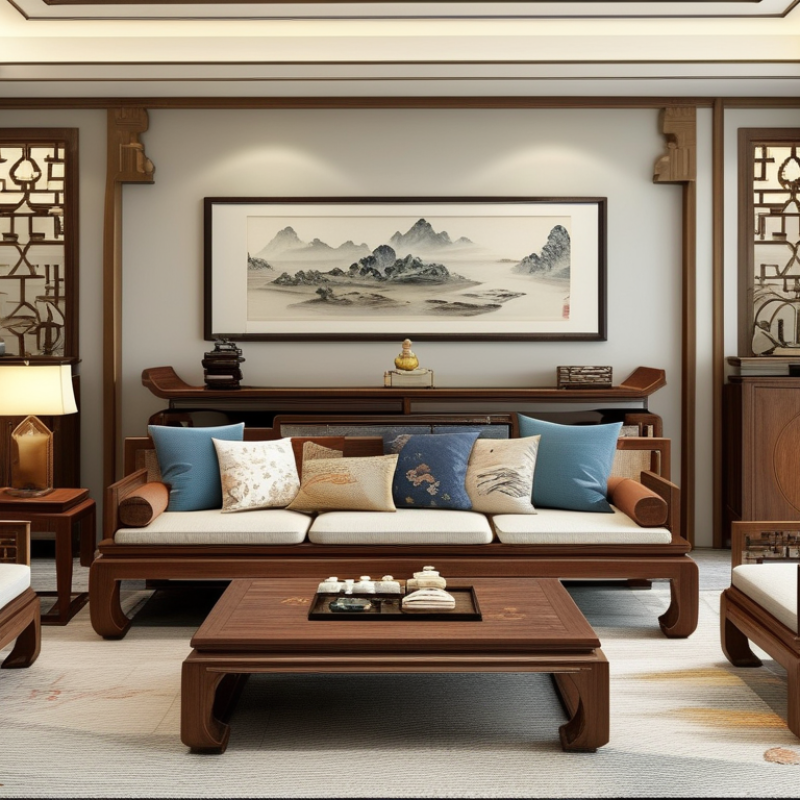
Chinese furniture is known for its unique characteristics and rich heritage. It often features intricate carvings and rich materials. The use of solid wood is prevalent, giving pieces an enduring quality. Color schemes typically include deep reds and browns, which evoke warmth and tradition. Emphasis is placed on functionality alongside artistry.
Harmony and balance are crucial in Chinese design principles. Many items are asymmetrical, reflecting natural forms. A key feature is the use of natural motifs, such as flowers or animals, which symbolize prosperity. When blending these pieces, consider how they can complement Western designs. For example, pairing a modern sofa with a classic Chinese coffee table creates a striking visual contrast.
There are challenges when mixing styles. Ensuring that colors align can be tricky. A well-thought-out color palette can help achieve a cohesive look. Additionally, scale and proportion matter. Large Chinese cabinets can overshadow smaller Western pieces if not placed intentionally. Experimentation is essential; it may take time to find the perfect balance that feels right in your space.
When blending Chinese and Western furniture styles, it's crucial to understand Western furniture design principles. Western design often prioritizes functionality and minimalism. Clean lines and open spaces are common. Western pieces generally combine comfort with aesthetics, making them versatile for various settings.
Contrast plays a significant role. A sleek Western sofa can pair well with an ornate Chinese coffee table. This creates visual interest while respecting each style's essence. Materials matter, too; Western design favors woods like oak and walnut. Meanwhile, Chinese furniture often features rich, dark woods and intricate carvings. Mixing these materials requires a thoughtful approach, so the final look feels cohesive, not chaotic.
Proportions and scale are essential to harmony. Chinese furniture tends to be lower in height, while Western pieces stand taller. If a tall Western chair dominates a lower Chinese table, it can look awkward. Experimenting with heights and shapes allows for a playful but balanced interior. Embracing imperfections, marks, or uneven finishes emphasizes the unique qualities of each piece. This reflective approach ensures that the combined styles narrate a story, rather than simply coexist.
Blending Chinese and Western furniture styles requires careful consideration, especially regarding color. A well-thought-out color palette can unify diverse elements. Use a neutral base, such as whites or grays. This can help balance bold colors found in traditional Chinese furniture.
Incorporating natural hues works well with both styles. For instance, earthy tones from rich wooden finishes can complement the sleekness of Western designs. Consider adding pops of color. A vibrant red pillow or green vase can highlight Chinese heritage while maintaining harmony.
Choosing a cohesive theme matters. Focus on colors that evoke similar feelings. Warm tones create a cozy atmosphere, while cooler shades project calmness. Reflecting on how these combinations make you feel can improve your space. Experiment with different shades before settling on a final look.
Remember, imperfection can add character. Don’t be afraid to mix textures and hues. This exploration can lead to a unique blend of beauty.
Blending Chinese and Western furniture styles can create a unique, harmonious space. Incorporating key decorative elements is essential to achieve this balance. Consider using soft textiles, which are often a staple in both cultures. Elegant silk cushions can complement Western-style sofas beautifully. Mixing textures adds depth and character to your design.
Artistic wall decorations can also serve as a bridge between these styles. Traditional Chinese paintings can work well alongside contemporary art pieces. This contrast creates an engaging visual dialogue. Try to select artwork that reflects personal stories or experiences for authenticity. It encourages reflection on the cultural backgrounds of each piece.
Lighting deserves careful thought. Lanterns or lamps with intricate designs can add warmth to a modern space. Choose lighting that casts soft shadows, enhancing the cozy feel of a blended environment. Keep in mind that balance is key. Overwhelming a space with too many contrasting elements can lead to visual chaos. It’s essential to maintain a cohesive look while allowing each style to shine.
Blending Chinese and Western furniture styles can create a unique and inviting space. To achieve a cohesive look, start by choosing a color palette that harmonizes both styles. Soft neutrals can act as a bridge between the bold reds and golds of traditional Chinese pieces and the cooler tones often found in Western decor. Selecting a unifying color can help to tie together various elements.
Focus on balance. Too many contrasting pieces can lead to visual chaos. Aim to mix a few standout elements from each style, such as a Chinese-inspired tea table paired with sleek Western chairs. Consider the proportions of the furniture. An oversized Chinese armoire may overwhelm a minimalist Western sofa. Reflecting on scale will ensure that each piece complements rather than competes with others.
Incorporating textiles is another effective way to blend these styles. A Chinese silk throw might sit beautifully atop a modern leather couch. This creates an inviting focal point. Seek out art and decor that resonates with both cultures, like calligraphy framed in a simple Western-style frame. The key is to create moments of visual connection while allowing each style to shine in its own way. Embrace the imperfections and learn from the blending process. Each attempt will guide you in crafting a space that feels truly personal and cohesive.
: Western design emphasizes functionality and minimalism. It features clean lines and open spaces.
Pair contrasting pieces like a sleek sofa with an ornate table. This creates visual harmony.
Common materials include oak and walnut. Chinese designs often use rich woods and intricate carvings.
Mismatched heights can create awkward looks. Ensure that pieces complement rather than dominate each other.
Use a neutral base to balance bold Chinese colors. Add earthy tones for harmony and depth.
Textiles can bridge styles beautifully. A silk throw can enhance a modern leather couch.
Imperfections, marks, and unique finishes emphasize individuality. Reflect on how these make you feel.
Select art that resonates with both styles. Framing calligraphy in simple frames establishes connection.
Don’t mix too many contrasting pieces. Focus on a few standout elements for a balanced look.
Yes, experimentation can lead to a unique blend. Embrace trial and error for a personal touch.
In the quest to learn how to combine Chinese and Western furniture styles, it's essential to first understand the unique characteristics of Chinese furniture, which often features intricate craftsmanship and rich symbolism. Conversely, Western furniture design principles emphasize functionality and minimalism, creating a dynamic contrast that can enhance interior spaces. Color harmonization is also crucial, as balancing the warm tones typical of Chinese pieces with the cooler shades of Western designs can create a visually appealing environment.
To achieve a cohesive space, incorporating key decorative elements such as textiles and accessories from both cultures can unify the overall aesthetic. By thoughtfully blending these styles, one can create a harmonious home that celebrates the beauty of diversity in furniture design. Ultimately, combining Chinese and Western furniture styles requires careful consideration of each element, ensuring that they complement rather than clash.

ELDI Home