Antique Chinese furniture carries a rich history that captivates collectors and enthusiasts alike. Many wonder how to tell if your Chinese furniture is real antique. This question can be challenging, as counterfeit pieces have become more sophisticated. Understanding the key attributes of genuine antique Chinese furniture is essential for any collector.
When evaluating a piece, look beyond its surface. Examine the wood type, joinery, and construction methods. Authentic antiques often feature hand-carved details, which can reveal their age. A keen eye for craftsmanship is vital in distinguishing real antiques from reproductions. Besides physical traits, historical context also plays a crucial role. Knowing the era and region of the furniture can provide insight into its authenticity.
Trust your instincts, but be thorough. Seek expert opinions when in doubt. Research can illuminate a piece's background and authenticity. Remember, collecting is a journey of learning. There will be moments of uncertainty, but each misstep offers insight for future purchases. Embrace the process, as it enriches your appreciation for genuine antique Chinese furniture.
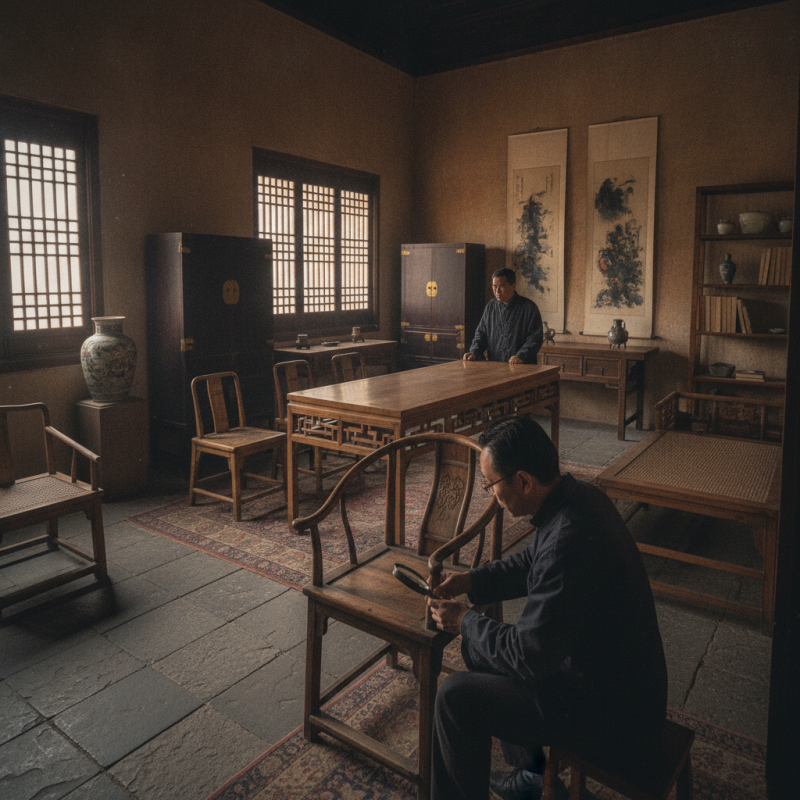
Key Characteristics of Genuine Antique Chinese Furniture
When identifying genuine antique Chinese furniture, certain key characteristics set authentic pieces apart. First, examine the wood used. Traditional Chinese furniture often features hardwoods like rosewood or zitan. These woods age beautifully, developing a rich patina over time. The craftsmanship is crucial; look for intricate joinery techniques, as these indicate skilled artisans at work. Traditional mortise and tenon joints are often a sign of authenticity.
Another important aspect is the decoration. Genuine pieces typically showcase unique carvings and inlays. Common motifs include symbols of prosperity or longevity. Check the overall design; original pieces often have an asymmetrical balance, reflecting natural forms. Also, consider the finish—antique items usually have a soft sheen rather than a glossy appearance from modern varnishes.
While these characteristics can guide you, many reproductions are skillfully made. Thus, research the piece’s history or provenance when possible. Seek expert opinions to verify authenticity. Even seasoned collectors can face challenges, as the line between genuine and reproduction blurs. Understanding these traits leads to better-informed decisions in the world of antique Chinese furniture.
Understanding the Different Styles and Periods of Chinese Furniture
Chinese furniture has a rich history, with distinct styles evolving over centuries. Understanding these styles is essential for identifying genuine antiques. The Ming period (1368-1644) is renowned for its elegant, simple lines and functional designs. Furniture from this era often features lower stiles and graceful proportions. Meanwhile, the Qing dynasty (1644-1912) introduced a more elaborate style, showcasing intricate carvings and rich, dark woods. Observing these characteristics allows collectors to differentiate between periods effectively.
Materials used in furniture construction are also crucial. Traditional pieces often employed hardwoods like huanghuali or zitan. Such woods are dense and have a unique aroma. In contrast, modern reproductions commonly use softer woods that lack the same durability and essence. A report indicated that about 70% of collectors struggle to identify genuine materials. Familiarity with wood textures and finishes can make a notable difference in distinguishing authentic items.
Another aspect is the joinery techniques. Traditional Chinese furniture often employed mortise and tenon joinery, showcasing craftsmanship. Such techniques were less visible in later, mass-produced items. Many collectors overlook this detail, risking the acquisition of replicas. Mastery in joinery reflects the care and time invested in making genuine antiques. Awareness of these subtleties enriches the quest for authentic Chinese furniture.
Techniques for Evaluating the Wood Used in Antique Furniture
Identifying genuine antique Chinese furniture requires a keen eye and a deep understanding of the materials used. When evaluating the wood, look for characteristics unique to specific types. For instance, hardwoods like mahogany and rosewood are often prized for their grain patterns and durability. Inspect the texture carefully. Genuine pieces often display a varied, rich feel, while reproductions may feel overly smooth.
Additionally, assessing the finish can reveal much about the wood's age. Original pieces usually have an uneven, rich patina developed over decades. Reproductions often have glossy, uniform appearances that lack depth. Pay attention to any repairs. Authentic antiques may show signs of careful restoration, such as hand-carved joints, whereas mass-produced replicas likely have synthetic adhesives and machine-made parts.
Finally, consider the overall construction techniques. Handcrafted joints like mortise and tenon indicate traditional craftsmanship. Look for subtle inconsistencies in joinery, which might suggest a piece has been lovingly made by hand. Examining these details can lead you closer to identifying true antique gems.
Recognizing Authentic Joinery and Craftsmanship in Furniture
When examining antique Chinese furniture, authentic joinery and craftsmanship are key indicators of quality. Genuine pieces often showcase intricate joinery techniques, where wood joins without the need for nails or screws. Dovetail, mortise, and tenon joints are frequent features. Look for tight, clean joints that fit snugly together. Any gap suggests a later modification or repair.
The wood itself reveals a lot about the piece. Authentic furniture often uses hardwoods like rosewood or mahogany. The surface should feel smooth yet exhibit natural grain patterns. Aging is a good sign; look for signs of wear that indicate long-term use and care. Handcrafted details, such as carved motifs or inscriptions, can enhance authenticity.
However, be cautious; even skilled craftsmen can replicate these styles today. Sometimes, what appears flawless may hide modern techniques. Examining the finish is critical. Genuine antiques often have a patina that shows years of use. A synthetic finish, too shiny or uniform, is likely a red flag. Each piece tells a story, and understanding the nuances of craftsmanship can reveal its true age and value.
10 Best Ways to Identify Genuine Antique Chinese Furniture
Examining Provenance and Historical Documentation of Antiques
Provenance is crucial when evaluating antique Chinese furniture. This term refers to the history of ownership and helps establish authenticity. A well-documented provenance can trace back to influential families or significant historical events. This connection adds great value and confidence in an item’s genuineness.
Historical documentation enhances the credibility of a piece. Look for old photographs, auction catalogs, or written accounts that mention the furniture. An item with a clear paper trail is more reliable. Investigate expounded details about its previous owners and periods. However, gaps in documentation may exist. Not every piece has a clear or intact history, which can complicate its evaluation.
When assessing provenance, verify information against multiple sources. Experts might disagree, which makes validation challenging. Genuine experts often spot nuanced details others miss. Professional appraisers can offer insights, but their opinions can vary. Inconsistencies in documentation may arise too. This uncertainty reminds collectors to remain vigilant and thorough in their research.
FAQS
: Chinese furniture styles evolved over centuries. Ming furniture features simple lines, while Qing offers elaborate designs.
Traditional pieces often use hardwoods like huanghuali or zitan, known for their density and unique aroma.
Authentic pieces showcase intricate joinery methods. Mortise and tenon joints, when tight, signify quality craftsmanship.
Genuine antiques use hardwood with natural grain patterns. Signs of wear indicate long-term use and care.
Provenance traces an item’s history, enhancing its authenticity. Well-documented histories add value to the piece.
Verify information against multiple sources. Experts may have differing opinions, highlighting the need for thorough research.
Signs of overly shiny synthetic finishes or visible gaps in joinery suggest potential modern reproductions.
Documentation like old photographs or auction catalogs adds credibility. Gaps in history can complicate evaluation.
Skilled craftsmen can replicate styles. Flawless appearances may hide modern techniques. Stay vigilant during inspections.
Conclusion
When exploring the world of antique Chinese furniture, one might ponder, "How to tell if your Chinese furniture is real antique?" Understanding key characteristics such as the type of wood, craftsmanship, and joinery techniques is crucial. Genuine antique Chinese furniture often showcases unique features that distinguish it from modern reproductions, including intricate carvings and the specific aesthetic styles tied to historical periods.
Additionally, evaluating the provenance and historical documentation of the piece can greatly enhance its authenticity. By recognizing the various styles and periods of Chinese furniture — from Ming to Qing — collectors can further refine their assessments. Combining these techniques provides a comprehensive approach to verifying the authenticity of Chinese antiques, ensuring that enthusiasts and collectors alike cherish true historical treasures.

 ELDI Home