In the world of woodworking, understanding the advantages of various joints is crucial. Tenon and mortise joints stand out for their enduring strength and reliability. These joints create exceptional durability, especially in furniture making. Industry expert Mark Wilson states, "Tenon and mortise joints provide unmatched structural integrity, especially in high-quality craftsmanship." His insight underscores a pivotal question: What are the benefits of using tenon and mortise joints?
These joints offer superior resistance to tension and shear forces. This quality makes them ideal for heavy furniture or structural components. Furthermore, the precise fit of the tenon in the mortise allows for seamless alignment and stability. Aesthetically, these joints can also be visually pleasing. Many craftsmen choose to showcase the joint style as part of the design. However, achieving a perfect fit requires skill and patience, which some novices may struggle with.
Additionally, sustainability is becoming a significant trend. Using tenon and mortise joints can lead to less material waste. Repurposing wood becomes easier with these joints. Yet, some creators might feel tempted to rely on modern adhesives instead. They risk losing the traditional charm that these joints offer. Balancing innovation with craftsmanship is essential as we move into 2026.
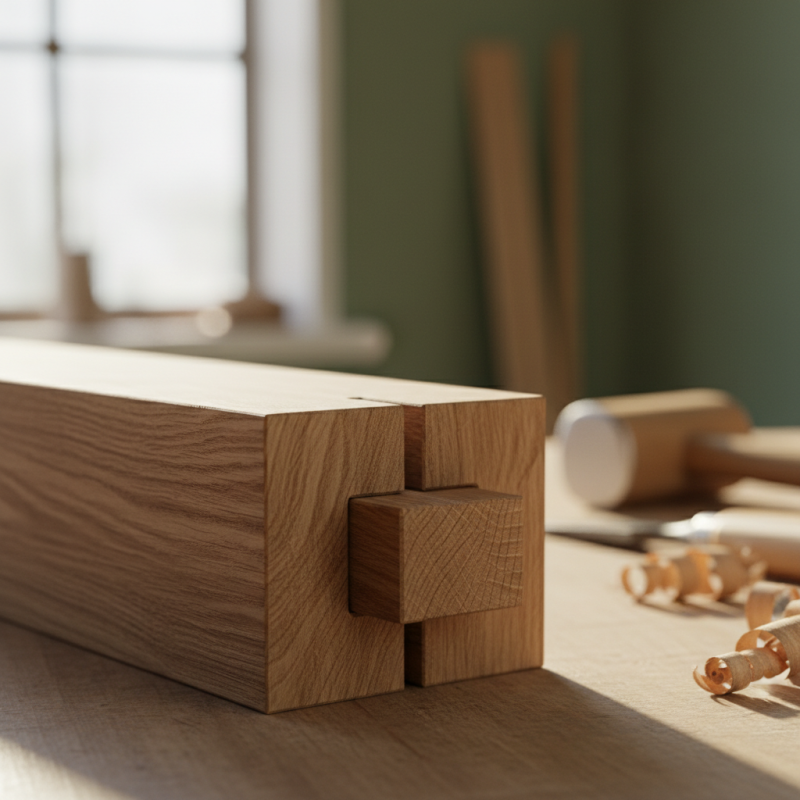
The tenon and mortise joint is a time-honored technique in woodworking. Its strength lies in its design. This joint interlocks two pieces of wood tightly. It creates secure and sturdy connections. In modern furniture design, this method isn't just practical; it's also aesthetic.
Designers appreciate the simplicity and elegance of these joints. They can create visible joints that enhance a piece’s character. However, mastering this technique requires skill and patience. Many contemporary artisans struggle with precision. It’s a reminder that traditional methods demand practice and dedication.
Moreover, the tenon and mortise joint contributes to sustainability. Using solid wood and durable joints leads to longer-lasting furniture. Yet, it may not always suit every style. Some designs call for sleek, minimalist aesthetics. Finding a balance can be challenging. Overall, this traditional method continues to inspire modern creators.
In 2026, tenon and mortise joints are gaining popularity due to their enhanced durability and strength. These joints provide exceptional stability, allowing wooden structures to withstand stress and weight. They connect two pieces of wood seamlessly and effectively, making them ideal for various applications, from furniture to structural beams.
One critical benefit of tenon and mortise joints is their resistance to wear and tear. Unlike some modern joints, which can weaken over time, these classic joints develop strength as the wood ages. The friction and glue create a robust bond, ensuring longevity. Choosing high-quality wood can enhance these strengths, resulting in a reliable and sturdy joint.
Tips: Ensure precise fittings for the best results. Even minor misalignments can compromise strength. Also, consider the type of wood used. Hardwoods generally offer more durability. Proper finishing techniques can protect against moisture and wear, prolonging the life of your joints. Reflect on these details as they can greatly influence the durability and performance of your wood projects.
| Dimension | Description | Benefit | Trend Indicator |
|---|---|---|---|
| Durability | Tenon and mortise joints provide exceptional longevity in woodworking. | Increased lifespan of furniture and structures. | High demand for long-lasting products. |
| Strength | The design of these joints allows for superior load-bearing capacity. | Ability to support heavier loads without failure. | Trend towards sturdier furniture solutions. |
| Aesthetic Value | Tenon and mortise joints are often visible and can enhance the look of furniture. | Adds character and craftsmanship appeal. | Growing interest in artisan and handcrafted items. |
| Ease of Repair | These joints can be easily disassembled and repaired if necessary. | Cost-effective repairs extend product life. | Focus on sustainability and reducing waste. |
The tenon and mortise joint has stood the test of time, showcasing its beauty and reliability in woodworking. Its precise fit not only strengthens the structure, but also enhances overall aesthetics. When crafted skillfully, these joints bring a sense of elegance to furniture and architecture. The visible craftsmanship speaks volumes about the creator's dedication and expertise.
In 2026, we see a resurgence in the appreciation for traditional woodworking techniques. Artists and builders are exploring new designs while incorporating these classic joints. This blend of old and new fuels creativity, allowing crafted pieces to stand out. It’s fascinating to notice how a simple joint can transform an ordinary piece into a work of art. There’s an awe-inspiring quality in the intricate details often found in well-executed tenon and mortise joints.
However, mastering this technique is no easy task. It requires patience, practice, and a keen eye for precision. Mistakes often occur, reminding artisans of the importance of learning and perseverance. Each joint tells a story of trial and error, reflecting the journey of the craftsman. Such reflections remind us that the pursuit of perfection is as valuable as the end product itself.
The resurgence of traditional woodworking techniques highlights the importance of tenon and mortise joints. These joints offer not just structural integrity, but also align with sustainable practices. By utilizing locally sourced wood, craftsmen reduce transportation emissions and support local economies. This eco-friendly aspect is vital as consumers become more conscious of their environmental impact.
Wood joinery techniques help preserve the natural beauty of wood. Unlike modern adhesives, these traditional methods allow for disassembly and reuse. This means fewer materials end up in landfills. Repair and reuse become possible, emphasizing a circular economy.
**Tips**: When selecting wood, consider its origin. Look for FSC-certified options. Try to use leftover wood pieces for smaller projects. Reflect on your choices, and strive for minimal waste. Engaging with community workshops can enhance your skills. You'll also connect with others who value sustainability.
This chart presents the primary benefits of tenon and mortise joints in woodworking, highlighting their strengths in terms of structural integrity, sustainability, aesthetic appeal, durability, and ease of repair. The data indicates a strong preference for these joints due to their eco-friendly aspects and overall effectiveness in modern joinery techniques.
Tenon and mortise joints are gaining traction in contemporary architecture due to their unique aesthetic and structural benefits. These joints offer a seamless integration of wood, enhancing the visual appeal of modern buildings. In 2026, architects view them as a sustainable choice. They provide strength without compromising design integrity. This combination appeals to both eco-conscious builders and design enthusiasts.
Innovative uses of tenon and mortise joints go beyond furniture. They are now central in large-scale projects. Architects are adapting these joints for structural elements in walls and ceilings. This approach promotes open floor plans, increasing natural light flow. It creates a sense of spaciousness in urban environments. However, the techniques require skilled craftsmanship, which can be a challenge. Not all builders are proficient in these traditional methods.
The reliability of tenon and mortise joints is proven through time. They have survived centuries of architectural evolution. Yet, there is a consideration of their applicability in modern, fast-paced construction methods. As some embrace quick solutions, the craftsmanship can sometimes be overlooked. The debate remains on how to balance efficiency with detailed artistry in architecture.
: They are traditional joints used to connect two wooden pieces, enhancing stability and strength.
Their durability, resistance to wear, and strength make them appealing for various wooden structures.
Unlike modern joints, they typically become stronger as the wood ages, creating robust bonds.
Hardwoods are recommended due to their enhanced durability and strength compared to softwoods.
Even minor misalignments can weaken the joints, highlighting the importance of precise craftsmanship.
They are being incorporated into walls and ceilings, enhancing design while maintaining structural integrity.
Skilled craftsmanship is required, and not all builders are trained in traditional techniques.
Yes, they provide strength without compromising design, appealing to eco-conscious architects.
Proper finishing protects against moisture and wear, extending the life of the joints.
There is a risk of prioritizing speed over craftsmanship, which could undermine the quality of joints.
Tenon and mortise joints have long been celebrated in the realm of furniture design and architecture, and their benefits continue to resonate in 2026's top trends. What are the benefits of using tenon and mortise joints? Firstly, their enhanced durability and strength make them ideal for creating robust and lasting structures. Unlike other joinery methods, these joints provide superior stability, ensuring that furniture pieces can withstand daily use without compromising their integrity.
Additionally, tenon and mortise joints significantly contribute to the aesthetic appeal of handcrafted furniture, showcasing the craftsmanship and artistry involved in their creation. As sustainability becomes an increasingly important consideration, the eco-friendly aspects of wood joinery techniques are also gaining attention, aligning with modern demands for sustainable design. Moreover, contemporary architects are finding innovative uses for these joints, integrating them into modern structures to blend tradition with innovation. This fusion of strength, beauty, and sustainability positions tenon and mortise joints as a cornerstone of modern design.

ELDI Home