Benefits of Tenon and Mortise Joints for Global Buyers?

Time:2026-08-18 Author:Henry
0%

The use of tenon and mortise joints has gained significant attention in the woodworking industry. Many professionals and global buyers seek to understand, "What are the benefits of using tenon and mortise joints?" This traditional method of joining wood offers remarkable durability, strength, and aesthetic appeal. Reports indicate that furniture made with these joints can outperform those with simple butt joints in stress tests by up to 50%.

Moreover, tenon and mortise joints provide enhanced resistance to warping and twisting. This is especially valuable in environments with varying humidity levels. Industry experts emphasize that these joints maintain structural integrity over time, making them a preferred choice for high-quality craftsmanship. However, skillful execution is crucial. DIY enthusiasts may find it challenging to create precise cuts without the proper tools and experience.

While the benefits are clear, potential users must consider the learning curve involved in mastering this technique. Although widely recognized, the complexities of tenon and mortise joints can be daunting for inexperienced woodworkers. As buyers evaluate their options, understanding both the advantages and challenges becomes essential for making informed decisions in their woodworking projects.
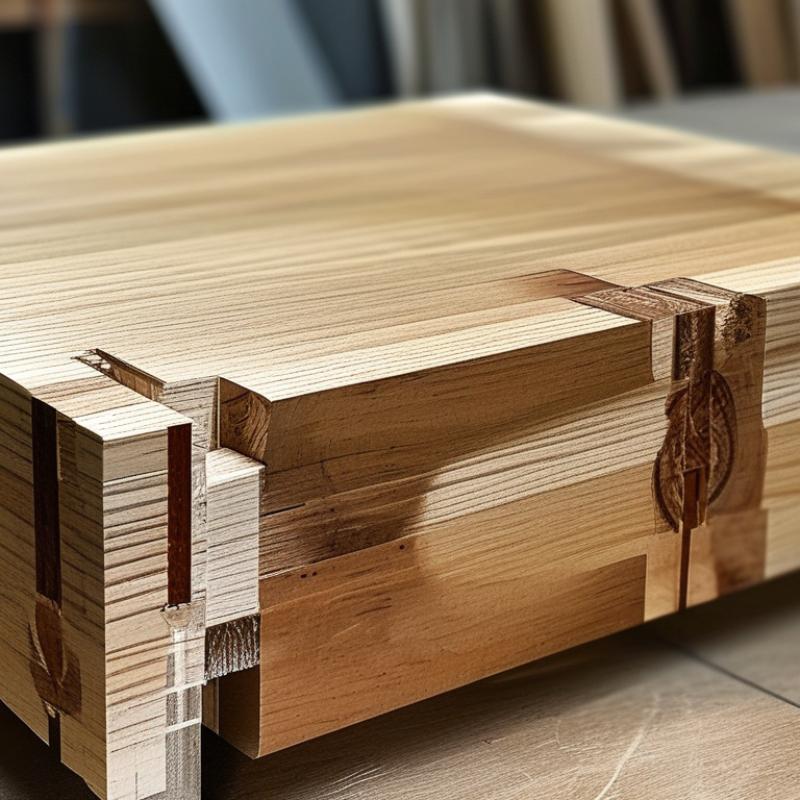
Benefits of Tenon and Mortise Joints for Global Buyers?

Understanding Tenon and Mortise Joints in Woodworking

Tenon and mortise joints are age-old techniques in woodworking. They create strong connections between two pieces of wood. This method enhances durability and stability, making it a preferred choice for furniture makers and craftsmen. The joint consists of a tenon, which fits into a mortise cut into another piece of wood. This precise fit ensures that the joint can withstand various stresses.

Tips: Always measure twice before cutting. Precision is key in achieving a perfect fit. Using quality tools will yield better results, enhancing the longevity of your projects.

Unlike other joints, tenon and mortise joints need careful planning. A poorly made joint can lead to gaps. These gaps may compromise the item’s strength. Therefore, take time to understand your materials and the jointing process. Experimenting with different wood types can also affect your project's outcome.

Tips: Practice on scrap wood to refine your skills before tackling more significant projects. This practice can prevent costly mistakes and improve confidence in your craftsmanship.

Key Advantages of Tenon and Mortise Joints for Durability

Tenon and mortise joints provide exceptional durability in furniture and construction. These joints securely connect pieces of wood, allowing for strength that withstands heavy use. The traditional craftsmanship behind these joints dates back centuries, showcasing their enduring reliability. Builders and craftsmen often praise their ability to handle stress and strain in various applications.

One of the key advantages of tenon and mortise joints is their resistance to wear. Unlike other joint types, they do not rely solely on adhesives or fasteners, which can weaken over time. Instead, the wood interlocks, creating a robust bond that endures challenges. However, this process requires precision and skilled craftsmanship. Mistakes during cutting can lead to weak joints that compromise durability.

Another notable feature is customization. Craftsmen can create various shapes and sizes of tenons and mortises to fit specific designs. This flexibility allows artisans to innovate while maintaining strength. Yet, achieving the perfect fit is not always easy. Experimentation is needed to balance durability with aesthetic appeal. The rich history and adaptability make these joints an invaluable choice for global buyers seeking longevity in their projects.

Cost-Effectiveness of Tenon and Mortise Joints for Buyers

Tenon and mortise joints stand out for their exceptional cost-effectiveness. These joints provide robust connections without needing expensive hardware. Their simplicity makes them affordable, especially for global buyers seeking budget-friendly solutions. When crafted well, they ensure durability and longevity, which can reduce replacement costs over time.

Tips: When sourcing materials, consider wood quality. Not all types will provide the same strength. Testing samples can save future headaches.

Buyers should also weigh the production costs against the long-term benefits. While initial expenses seem key, a well-made joint can outlast cheaper options. This might not be immediately obvious, but it improves overall value. Some may overlook the craftsmanship involved, yet it significantly impacts the final product.

Tips: Keep an eye on craftsmanship standards. High-quality work can prevent costly future repairs. Also, engaging with experienced artisans is crucial. They can offer insights to enhance durability while controlling costs.

Benefits of Tenon and Mortise Joints

Ease of Assembly and Repair with Tenon and Mortise Joints

Tenon and mortise joints are celebrated for their straightforward assembly and repair. These joints create a strong connection between wood pieces, making them a favorite among carpenters and DIY enthusiasts. The ease in connecting two pieces simplifies the construction process in furniture making, cabinetry, and architectural applications. Buyers who appreciate simplicity will find these joints ideal.

Repairing a tenon and mortise joint is also remarkably simple. If a joint becomes loose over time, it can be easily tightened or replaced. This feature extends the life of the furniture and reduces waste. Users can often fix a joint with minimal tools. This promotes sustainability by allowing repairs instead of replacements.

Tips: Always check the alignment before assembly. A misaligned joint can lead to structural issues. For repairs, clean out the joint thoroughly before adding glue. A well-prepared surface improves the joint’s durability. Lastly, be patient during the assembly process. Rushing can lead to mistakes and subpar construction. Embracing the learning curve can enhance woodworking skills and ensure quality craftsmanship.

Benefits of Tenon and Mortise Joints for Global Buyers

Aspect Description Advantages
Ease of Assembly Tenon and mortise joints fit together precisely, making assembly straightforward. Reduces labor costs and time for assembly.
Strength and Durability These joints provide strong connections that can withstand weight and stress. Enhances the longevity of the furniture or structure.
Repair and Maintenance Easily disassembled for repairs without damaging the joint. Saves costs on repairs and prolongs the life of the item.
Aesthetic Appeal Allows for clean edges and seamless integration in design. Enhances the visual quality of the finished product.
Sustainability Can be created using eco-friendly materials and methods. Meets the growing demand for sustainable products.

Global Market Trends for Tenon and Mortise Joint Applications

The global market for tenon and mortise joints is evolving rapidly. Recent industry reports indicate an annual growth rate of over 5% for wood joinery solutions. This increase is driven by a rising demand for sustainable materials in construction and furniture industries. More builders and manufacturers are exploring these traditional joints due to their strength and durability.

Tenon and mortise joints offer distinct advantages. They provide a sturdy connection that enhances structural integrity. Additionally, their compatibility with various materials makes them versatile for different applications. Data show that projects utilizing these joints often report lower failure rates. However, the complexity of manufacturing these joints can pose challenges. Not all manufacturers possess the expertise needed for precision crafting.

Tips: Ensure your design allows for minor imperfections. This flexibility can improve overall performance. Consider incorporating these joints into custom designs. It may elevate your products in a competitive market. Adapting to global trends can help businesses align better with consumer demands and expectations.

FAQS

: What are tenon and mortise joints known for?

: They are known for their exceptional durability and ability to withstand heavy use in furniture and construction.

How do tenon and mortise joints bond the wood pieces?

The wood interlocks, creating a strong connection that lasts without relying on adhesives or fasteners.

What is a challenge when crafting these joints?

Precision is crucial; mistakes during cutting can weaken the joints and diminish overall durability.

Can tenon and mortise joints be customized?

Yes, craftsmen can create various shapes and sizes, but achieving a perfect fit often requires experimentation.

How easy is it to repair tenon and mortise joints?

Repairs are simple; loose joints can be tightened or replaced with minimal tools, promoting sustainability.

What should you check before assembling these joints?

Always check the alignment first; misaligned joints can lead to structural issues.

What market trend is affecting the use of tenon and mortise joints?

There is a growing demand for sustainable materials in the construction and furniture industries.

Do projects using these joints have a better success rate?

Yes, projects often report lower failure rates due to the joints' strength and structural integrity.

What is a common tip for improving craftsmanship?

Be patient during assembly; rushing can lead to mistakes and affect the quality of the work.

How can flexibility in design benefit tenon and mortise joint applications?

Allowing for minor imperfections can enhance performance and improve overall project outcomes.

Conclusion

What are the benefits of using tenon and mortise joints?" Tenon and mortise joints are fundamental components in woodworking, renowned for their remarkable durability and strength. These joints create a mechanical connection that allows for greater load-bearing capacity, making them ideal for furniture and structural applications. Their robust nature significantly enhances the longevity of wooden pieces, which is a key advantage for global buyers seeking quality craftsmanship.

In addition to durability, tenon and mortise joints offer significant cost-effectiveness. Their reliable construction reduces the need for frequent repairs or replacements, leading to long-term savings for users. Furthermore, these joints facilitate ease of assembly and repair, streamlining the manufacturing process. As global market trends indicate a rising demand for traditional woodworking techniques, understanding the benefits of tenon and mortise joints will help buyers make informed decisions that align with durability, cost-efficiency, and practicality in their projects.

Henry

Henry

Henry is a dedicated marketing professional with a profound expertise in the company's offerings. With years of experience in the industry, he possesses an impressive understanding of the market dynamics and consumer behaviors that drive success. Henry is committed to sharing his insights through......