Creating a serene and inviting atmosphere in a Chinese tea room can be an art form. This space not only serves tea but also provides warm hospitality and a moment of tranquility for your guests. Feng Shui expert Lily Chen emphasizes, "The arrangement of a tea room should reflect harmony and balance to enhance the experience."
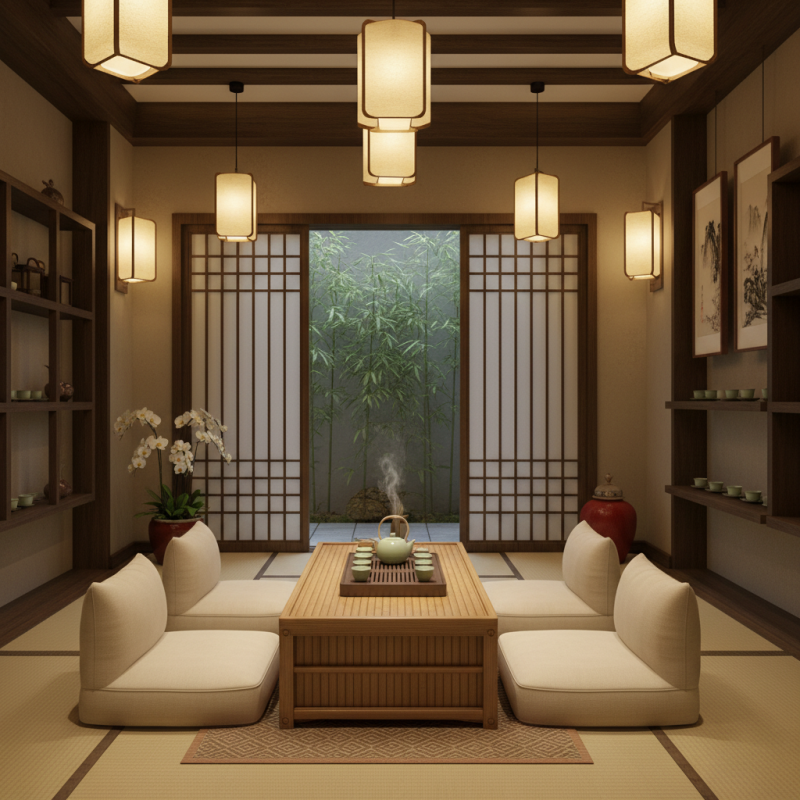
When considering how to arrange a Chinese tea room for guests, think about every detail. The colors, furniture, and decor should evoke a sense of calm. For example, bamboo furniture paired with soft fabrics can create a cozy yet elegant space. Dim lighting, perhaps from paper lanterns, adds to the ambiance.
However, it's important to reflect on your choices. Are the elements you chose truly welcoming? Could adjustments improve the atmosphere? Factors like seating arrangements and the placement of utensils can greatly influence comfort. Creating a functional flow in the room may take time. Remember, the aim is to entertain and ensure your guests feel relaxed and at home.
Choosing the right location for a Chinese tea room is crucial. A well-placed venue can enhance the overall experience for your guests. Research shows that 74% of consumers prioritize ambiance when selecting a tea venue. This highlights the importance of location and design in attracting clientele.
Consider a space with natural light, as studies indicate that daylight boosts mood and attention levels. Spaces near parks or gardens can create a serene atmosphere, fostering relaxation during tea ceremonies. According to a report from the Tea Association, locations within community hubs see higher foot traffic, often resulting in increased business.
Noise levels are another key factor. A quieter setting allows guests to fully engage with the tea experience. Pay attention to your surroundings. If your location is near busy streets, consider soundproofing. This may seem like an added cost, but it can significantly improve guest satisfaction. Reflect on how these elements can make or break the tea experience.
Creating an authentic Chinese tea room requires thoughtful selection of furniture. A low wooden table sits at the heart of the space. This table should be sturdy, allowing for multiple tea sets and snacks. Surround it with understated, comfortable stools. Opt for natural materials like bamboo or wood to enhance the traditional vibe.
In addition to seating, consider incorporating display shelves. These can showcase unique teapots and ceramic cups. The arrangement should feel cozy yet spacious. Candles or small lanterns can provide soft lighting. Their glow enhances the tranquil atmosphere, inviting guests to relax. Don't forget to add a few plants. They bring life and fresh air to the room.
While these elements create a beautiful setting, remember that balance is key. Too many decorations can feel overwhelming. Aim for a minimalist approach, allowing each piece to shine. Reflect on your choices. Are they creating the calm environment you desire? Keeping simplicity in mind will ensure an enjoyable tea experience for your guests.
Creating a serene ambiance in your Chinese tea room can leave a profound impression on your guests. Decorative elements play a crucial role in enhancing the space. Soft lighting creates a warm atmosphere. Consider using soft lanterns or candles for a cozy glow. Natural elements such as bamboo or stone can add an organic feel. A well-placed flower arrangement can bring life to the setting while maintaining simplicity.
Tips: Use minimalistic decorations to avoid clutter. Mix textures, like silk table runners and wooden tea trays, for a harmonious look. Art pieces featuring traditional Chinese motifs, like calligraphy or landscapes, can provide cultural depth.
Don’t forget the importance of scent. Freshly brewed tea has its own aroma, but adding subtle incense can elevate the experience. Make use of comfortable seating options, but be mindful of space. Overcrowding can detract from relaxation. As you design, reflect on how each element contributes to overall tranquility. Remember, it’s not just about aesthetics; it’s about creating a welcoming environment for shared moments over tea.
| Element | Description | Recommended Materials |
|---|---|---|
| Tea Table | A central piece where tea is served. It should be sturdy and traditionally styled. | Wood or bamboo |
| Seating | Comfortable seats that complement the tea table, allowing for a relaxed atmosphere. | Cushioned chairs or low stools |
| Lighting | Soft, ambient lighting to create a tranquil environment. | Paper lanterns or dimmable LED lights |
| Decorative Accents | Elements that enhance the aesthetic appeal of the tea room. | Traditional Chinese artwork, calligraphy, or teapots |
| Textiles | Fabrics that add warmth and texture to the space. | Silk or cotton table runners and cushion covers |
Creating an inviting atmosphere in a Chinese tea room begins with carefully selecting teaware and accessories. Choose teapots made from Yixing clay or fine porcelain. These materials can enhance the tea's flavor. The design should reflect traditional aesthetics, perhaps featuring intricate patterns or a minimalist style. A delicate tea tray can elevate your presentation and catch any spills, adding to the overall cleanliness of your setup.
Consider the cups as well. Small, elegant cups often work best for tea ceremonies. They should feel comfortable in your guests' hands. Feel free to mix and match styles, but ensure a cohesive look. Accessories such as a bamboo whisk or a tea strainer can add both functionality and charm. Flower vases or small decorative items can provide a personal touch, but avoid cluttering the space.
Lighting plays a vital role too. Soft, ambient lighting can create a serene environment. Avoid harsh fluorescent lights; they disrupt the tranquil mood. You might want to experiment with different arrangements. The goal is to make your guests feel comfortable and welcomed. Reflect on what works best for your space and the vibe you want to achieve.
Creating a comfortable seating arrangement is vital for any Chinese tea room. Studies show that seating arrangements impact social interaction significantly. According to a report by the Journal of Environmental Psychology, intimate settings enhance conversations. When designing your tea room, consider placing small tables in clusters. This encourages group discussions and makes it inviting.
Use cushions and low tables to create a cozy atmosphere. Traditional Chinese tea tables allow guests to sit comfortably while enjoying tea. Research indicates that physical comfort can enhance enjoyment. Incorporating natural elements, such as bamboo or plants, can increase relaxation. However, be mindful of overcrowding. Overly tight spaces might make guests feel uneasy.
Reflect on the flow of conversation. Ensure seating is arranged to foster interaction. Avoid barriers that block eye contact. Sometimes, a simple adjustment can make a difference. Keep in mind that while aesthetics matter, functionality should not be neglected. Some guests may prefer a more private setting, so consider offering different seating options. Balancing aesthetics and comfort is key in creating a welcoming tea room.
: A well-chosen location enhances guest experience, attracting more clientele. Ambiance is critical for customer satisfaction.
Natural light, nearby parks, and quiet settings promote relaxation. These factors significantly influence guest enjoyment.
Low wooden tables and comfortable stools made from natural materials are essential. They create an authentic experience for guests.
Cluster small tables together to foster intimacy. Use cushions for comfort and ensure easy eye contact among guests.
Soft lighting from candles or lanterns enhances tranquility. A well-lit space invites guests to unwind.
Keep decorations minimal to avoid overwhelm. Balance allows each piece to stand out, creating a serene ambiance.
Soundproofing is crucial if located near noisy areas. It significantly improves guest satisfaction during tea ceremonies.
Choose plants that purify air and add life. Ensure they complement the room’s aesthetics without crowding the space.
Consider guest comfort when designing the space. Offer varied seating options for both social interaction and privacy.
Yes, reflect on whether your designs create the desired atmosphere. Regular evaluation will improve the overall tea experience.
When considering **how to arrange a Chinese tea room for guests**, it is crucial to start by choosing the right location that sets the tone for relaxation and conversation. An ideal spot might be a quiet corner of your home or a dedicated space that offers natural light and tranquility. Essential furniture, such as a low table and comfortable seating, should be selected to enhance the authenticity of the experience. Traditional Chinese designs can add to the overall aesthetic.
To create a welcoming ambiance, incorporate decorative elements like calligraphy scrolls, bamboo plants, or silk textiles that reflect Chinese culture. Selecting high-quality teaware and accessories is vital for an enjoyable tea-drinking experience. Lastly, arrange the seating to foster social interaction, ensuring that guests feel at ease while enjoying their tea. By thoughtfully considering these aspects, you will be able to create an inviting and authentic Chinese tea room that leaves a lasting impression on your guests.

ELDI Home